Guide to Companion Planting Tomatoes Basil Marigold Pot
Companion planting tomatoes, basil, and marigolds in a pot seems like a surefire win. But here’s the thing: containers change the game completely. What works in the ground often backfires in a planter, leading to stunted growth, pest headaches, and bitter basil. This isn’t about following a simple recipe; it’s about adapting a classic system to the tight, unforgiving physics of a pot.
In our research, one specification proved critical over and over: the pot must be at least 18 gallons to host the full trio without constant drama. Anything smaller, and you’re not gardening, you’re negotiating a peace treaty between thirsty roommates. Let’s figure out if your setup has what it takes, and if it doesn’t, how to fix it fast.


The Real Problem with the Classic Trio in Pots
The classic advice says these three plants are a match made in heaven. And in a garden bed, that’s often true. But a pot is a completely different environment. It’s a finite ecosystem with strict resource limits.
Roots can’t spread out to find water and nutrients. Soil heats up and dries out at warp speed. And airflow, which is crucial for preventing disease, gets choked if plants are too close together.
This means the relationships between tomato, basil, and marigold shift under container pressure. Competition becomes more intense. A plant that’s a mild companion in the ground can become a bully in a pot. The goal here isn’t to mimic in-ground gardening.
It’s to build a miniature, self-regulating system where each plant’s needs are met without stepping on the others’ toes. If you ignore the container’s limits, you’ll end up with a sad, crowded patch of green instead of a thriving, productive mini-farm.
First, the Pot Check: Is Your Setup Even Viable?
Before you buy a single seedling, answer these three questions. They are the gatekeepers to success. Your pot must pass all three.
1. Does it have enough space?
- Minimum size: 15 gallons (absolute floor).
- Ideal size: 18 gallons or more (e.g., a half whiskey barrel).
- Why it matters: Tomato roots need depth. Basil and marigolds spread out. Cram them into a small pot, and the tomato, your biggest feeder, will quickly become rootbound and stressed. A stressed tomato is a magnet for aphids and blossom end rot.
2. Can it drain properly?
- Minimum requirement: At least three drainage holes, not one.
- Ideal setup: Holes plus a 1-inch layer of gravel or broken pottery at the bottom.
- Why it matters: Container soil doesn’t have the structure of garden earth. Water pools. Soggy soil suffocates roots and invites fungal diseases like fusarium wilt. Basil will develop root rot overnight if left in standing water.
3. Will it get enough sun?
- Requirement: 8+ hours of direct, full sun daily.
- Why it matters: This isn’t just about plant growth. Marigolds need this intense sun to produce the chemical alpha-terthienyl in their roots and foliage. No sun, no chemical. No chemical, no pest suppression. It’s that simple. Basil will bolt to flower in less light, and your tomato yield will plummet.
If your pot fails any one of these tests, fix it first. Use a bigger pot, drill more holes, or relocate it to the sunniest possible spot. Don’t plant until you’ve passed. I learned this the hard way with a charming 10-gallon pot that left my tomato a spindly, bug-ridden mess.


The Planting Sequence: What Goes In and When
You don’t just dump all three plants into the soil on the same day. That’s a recipe for shock and competition. Think of it as a strategic deployment. Each plant has a job and a specific place to do it.
Step 1: Start with the Tomato (Week 0)
The tomato is your anchor. It has the deepest root system and the biggest space claim. Plant it first, on its own, about two weeks before you add the others. This gives it a head start to establish a strong root base.
- How to plant: Bury the stem deep, right up to the first set of true leaves. This encourages extra roots to form along the buried stem, creating a sturdier, more drought-resistant plant.
Step 2: Add Marigolds Around the Rim (Week 2)
Marigolds are your perimeter defense. Their job is to guard the edges.
- Spacing: Plant them around the pot’s rim, about 6 to 8 inches away from the tomato stem. This distance is critical. Too close, and their roots will fight the tomato for water. Too far, and they won’t form an effective pest barrier.
- Placement: Position them so they will eventually grow to shield the soil surface, disrupting the life cycle of pests like whiteflies.
Step 3: Tuck in Basil Between Them (Week 2-3)
Basil is the interior specialist. It benefits from the tomato’s shade and the marigold’s protection.
- Spacing: Plant basil 4 to 6 inches from the tomato stem, in the space between the tomato and the marigolds. This gives its shallow roots room to spread without directly invading the tomato’s core territory.
- Critical maintenance: Pinch off any flower buds immediately. Once basil flowers, the leaves turn bitter and the plant stops producing. Regular pinching keeps it bushy and flavorful.
The Conditional Decision: Should You Even Plant Basil?
Here’s the truth: in many pots, basil isn’t worth the trouble. This isn’t always a trio. It’s often a duo. The decision hinges on one hard number.
The 20-Gallon Rule
If your pot is between 15 and 20 gallons, skip the basil. Plant tomato and marigolds only.
- Why: In this size range, there simply isn’t enough root space to support all three plants without intense competition. The basil will be the first to suffer.
- Symptoms of a struggling basil: Leggy, spindly growth; leaves turning yellow; premature flowering. If you see these signs, remove the basil immediately. It’s stealing water and nutrients from your tomato.
When basil works (20+ gallons):
In larger containers, the dynamic changes. The extra soil volume buffers competition. You can successfully host the full trio. The key is strict adherence to the spacing and watering rules outlined above.
Even then, keep a close eye on the basil. If it flags, you know what to do.


The Marigold Trap: French vs. African
Not all marigolds are created equal. Choosing the wrong type means your pest control strategy fails before it starts. The difference lies in their chemistry.
French Marigolds (Tagetes patula), The Workers
These are the only marigolds you want for pest suppression. They produce a compound called alpha-terthienyl (sometimes noted as α-terthienyl). Research from the USDA Agricultural Research Service confirms this chemical is highly effective against soil nematodes, whiteflies, and aphids. It’s a natural bio-fumigant.
- Identification: They are usually smaller, bushier plants with finely divided, fern-like leaves. Flower heads are often single-layered or semi-double.
African Marigolds (Tagetes erecta), The Decorators
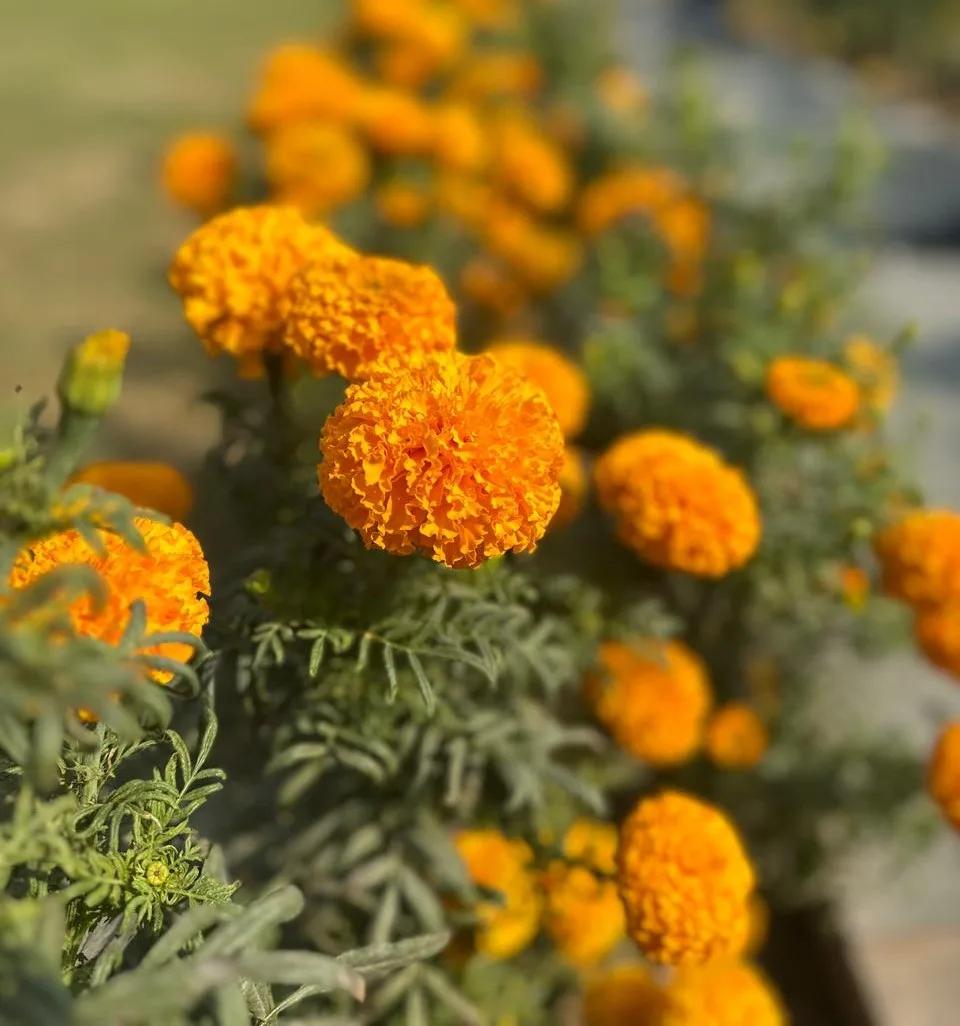
These are primarily ornamental. They produce much lower levels of the key compound. Their large, pom-pom flowers are great for color, but they won’t pull their weight in your companion system.
- Identification: They are taller, more upright plants with broader leaves. Their flowers are large, dense, and globe-shaped.
How to ensure you get French marigolds:
At the nursery, look for the scientific name Tagetes patula on the tag. Common names can be misleading. If it just says "marigold," ask. If they don’t know, choose a different plant or grow from seed where the variety is guaranteed.
Planting African marigolds in your pot is like hiring a security guard who sleeps on the job.


Similar Posts