Guide to Low Maintenance Native Plants for Home Gardens
Ever dreamed of a vibrant, thriving garden that practically takes care of itself? Many home gardeners spend hours fighting weeds, hauling hoses, and battling pests, all while yearning for a simpler approach. This is where low maintenance native plants for home gardens become your best friend, transforming effort into enjoyment.
These adaptable green heroes, when correctly chosen, reduce the need for constant intervention, letting your garden flourish with minimal fuss. For example, aggregate research from university extension programs shows native plant gardens can reduce water consumption by up to 70% compared to traditional landscapes. We'll walk you through understanding your garden's unique needs and selecting the perfect native plants for a truly low-effort, high-impact space.
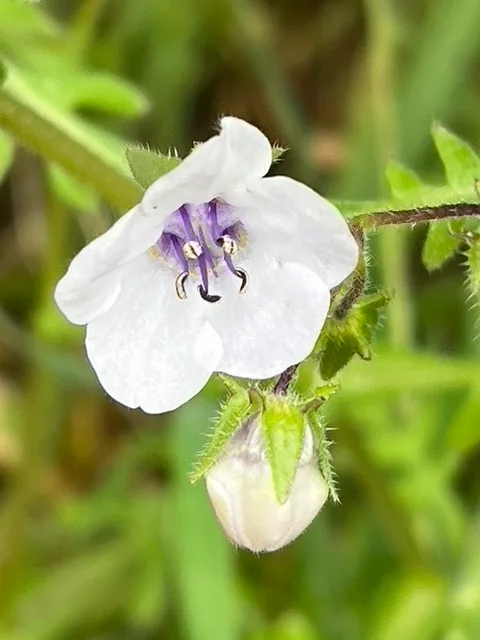
Image source: iNaturalist / Irene
Why Native, Low-Maintenance Plants Are a Game Changer for Your Garden
Imagine a garden that looks fantastic, attracts beautiful wildlife, and doesn't demand your every free moment. That's the promise of native, low-maintenance plants. They're not just a trend, they're a smart, sustainable shift in how we approach our outdoor spaces.
These plants are inherently suited to your local climate and conditions, meaning they've evolved to thrive without constant pampering. This translates directly into less watering, less fertilizing, and fewer battles with pests and diseases. We're talking about a significant reduction in garden chores.
What Makes a Plant "Native" and "Low Maintenance"?
It's easy to throw these terms around, but understanding what they really mean helps us make smart choices for our gardens. Let's break down each concept so you know exactly what to look for. It's not just about what looks good, it's about what works for your specific patch of earth.
The "Native" Part: Why Your Location Matters
A native plant is one that naturally occurs in a specific region, ecoregion, or habitat without human introduction. Think of it this way, these plants have called your area home for hundreds, even thousands, of years. They've adapted to the local soil, rainfall patterns, temperatures, and even the local insect populations.
This deep adaptation means they're remarkably resilient. They don't need special soil amendments, they can handle the local droughts or wet spells, and they often resist common regional pests and diseases. When you choose native, you're tapping into an entire ecosystem's worth of accumulated wisdom.
The "Low-Maintenance" Part: Less Work, More Joy
"Low-maintenance" isn't about doing absolutely nothing, but it's pretty close once established. These plants require significantly less human intervention compared to many traditional ornamentals. They don't need excessive watering after their first year. They rarely need fertilizing.
They're also less prone to pest infestations or disease outbreaks, meaning you won't be reaching for chemical sprays. This reduces your input of time, money, and chemicals, leading to a healthier, more relaxed gardening experience. For a truly "low-input" garden, choosing the right native plants is absolutely key.
Your Garden's Personality: Understanding Your Site Conditions
Before you even think about buying plants, you need to get to know your garden. Every yard has its own unique "personality" defined by light, soil, and moisture. Matching plants to these conditions is the single most important step in creating a low-maintenance native garden. It's the core of our decision-making process.
How Much Sun Does Your Garden Get?
This is usually the easiest condition to assess. Track how many hours of direct sunlight different areas of your garden receive throughout the day. "Direct sunlight" means unbroken sun hitting the spot.
- Full Sun: Six or more hours of direct sun daily. Think open lawns, south-facing areas.
- Partial Sun/Partial Shade: Four to six hours of sun, often morning sun or dappled afternoon sun. This can be tricky, as some plants prefer morning sun over intense afternoon sun.
- Full Shade: Less than four hours of direct sun daily, usually indirect or filtered light. Often found under dense tree canopies or on the north side of buildings.
What Kind of Soil Are You Working With?
Soil type is crucial because it affects drainage and nutrient availability. Don't worry, you don't need a lab test for a general idea, though a simple soil test kit from a local cooperative extension office can give you precise pH and nutrient levels, usually for a small fee.
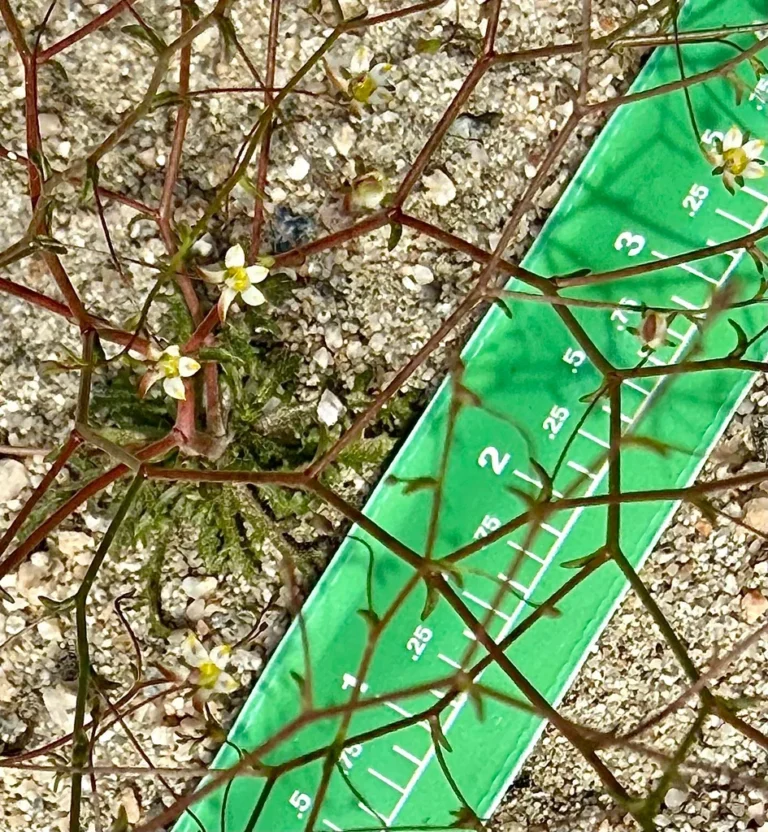
Image source: iNaturalist / Irene
Here’s a quick rundown of common soil types and what they mean:
- Sandy Soil: Gritty, drains very quickly. Doesn't hold nutrients well. Plants here need good drought tolerance.
- Clay Soil: Sticky when wet, hard when dry. Drains slowly and compacts easily. Can hold nutrients but roots struggle to penetrate.
- Loamy Soil: The ideal garden soil. A balanced mix of sand, silt, and clay. Crumbly, drains well, but holds moisture and nutrients.
- Rocky Soil: Drains very quickly, often low in organic matter. Many native plants are surprisingly good in this, as they've adapted to sparse conditions.
To check your soil, grab a handful when it's slightly moist (not soaking wet). Squeeze it. If it falls apart, it's sandy. If it forms a tight ball, it's clay.
If it forms a ball but crumbles easily when poked, you've likely got loam.
How Wet or Dry Does Your Soil Stay?
This condition ties directly into your soil type and local rainfall. Does water puddle after a rain? Does the ground dry out quickly?
- Dry Soil: Dries out fast after rain, common in sandy soils or sloped areas. Perfect for drought-tolerant natives.
- Moist Soil: Stays damp but not waterlogged. Loamy soils in areas with moderate rainfall often fall here.
- Wet Soil: Stays consistently damp or even soggy, often in low-lying areas or heavy clay soils. Ideal for rain gardens and wetland-adapted natives.
Understanding these three factors, sun, soil, and moisture, will drastically narrow down your plant choices, ensuring you pick species that are truly "low-maintenance" for your specific garden. Don't skip this assessment.
Deciding Your Garden Goals: What Do You Want to Achieve?
Before you start digging, take a moment to think about your ultimate vision for your garden. What do you want it to do for you and the environment? Setting clear goals will help you choose the right native plants that deliver exactly what you're looking for. It also prevents decision paralysis when faced with so many beautiful options.
Attracting Pollinators and Wildlife
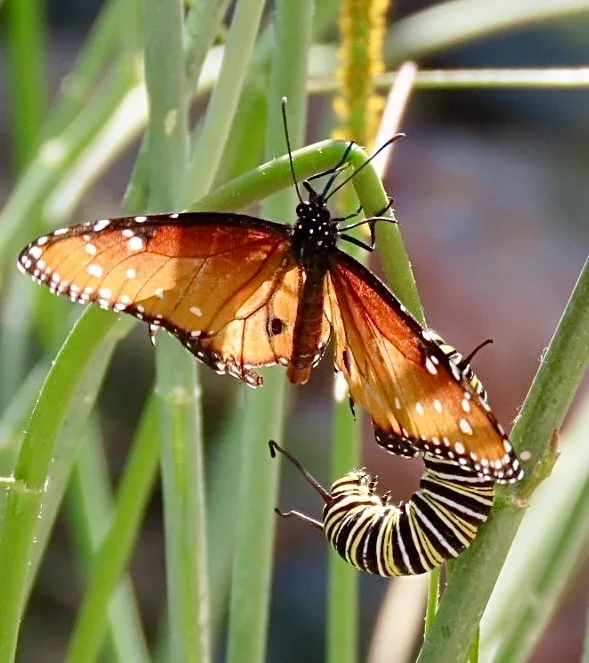
This is one of the most popular reasons people choose native plants, and for good reason! Native plants have co-evolved with local pollinators like bees, butterflies, and moths. They provide the specific nectar, pollen, and host leaves these creatures need to survive and thrive. If your goal is to see more buzzing bees, fluttering butterflies, and chirping birds, focus on plants that offer these vital resources.
For example, many native milkweed species (Asclepias spp.) are crucial for monarch butterfly caterpillars. Our research indicates that using native plants can increase local pollinator populations by up to 50% within a few seasons, as of 2026. Prioritize plants with varying bloom times to provide food sources throughout the growing season.
Conserving Water
If you're in an arid region or simply want to reduce your water bill, water conservation is a prime goal. Native plants are superstars here because they're adapted to your local rainfall patterns. Once established, many require little to no supplemental watering.
This is especially true for drought-tolerant natives. By choosing these, you'll dramatically cut back on irrigation, making your garden more resilient to dry spells and saving a precious resource. Think about local grasses, succulents, or plants with fine, silvery foliage, which are often excellent at retaining moisture.
Reducing Yard Work
Let's be honest, who doesn't want less weeding, less pruning, and less fuss? This goal is at the heart of "low-maintenance." When you select plants that are a perfect fit for your site's sun, soil, and moisture conditions, they generally grow robustly without much help.
They outcompete weeds more effectively than struggling non-natives. They're naturally resistant to common local pests and diseases, meaning less spraying or intervention. This frees up your weekends for enjoying your garden, not slaving away in it.
Boosting Curb Appeal
Of course, we want our gardens to look beautiful! Native plants offer a huge range of aesthetic possibilities, from vibrant wildflowers to elegant grasses and sturdy shrubs. They can provide year-round interest, with stunning blooms, interesting foliage, and attractive seed heads that persist into winter.
A native garden often has a natural, harmonious look that blends beautifully with the surrounding landscape. It can also increase your property value by signaling a thoughtful, sustainable approach to your home. There's a native plant for every aesthetic, whether you prefer a wild meadow look or a more structured design.
Finding Your Perfect Match: A Decision Guide for Native Plants
Alright, now we're putting it all together! This is where you connect your garden's personality (sun, soil, moisture) with your goals. Think of this as a "choose your own adventure" for plant selection. We can't list every single native plant for every region here, but we can give you excellent starting points based on common scenarios.
Remember, the key is to choose plants that naturally thrive in conditions similar to yours. If you pick a plant that needs wet soil but you have dry soil, it won't be low-maintenance for you.
If You Have Full Sun and Dry, Sandy Soil
This is a common scenario, especially in areas with sandy loams or on slopes. You'll want plants that laugh at drought and intense sun.
- For height and structure:
- Prairie Dropseed (Sporobolus heterolepis): A beautiful native grass that forms neat clumps and has a lovely fall color. It's tough as nails once established.
- New England Aster (Symphyotrichum novae-angliae): A late-season bloomer providing vital nectar for migrating monarchs. It loves sun and can handle dry spells.
- For vibrant blooms:
- Butterfly Milkweed (Asclepias tuberosa): Bright orange flowers attract monarchs and other butterflies. Needs excellent drainage.
- Lanceleaf Coreopsis (Coreopsis lanceolata): Cheerful yellow flowers, very drought tolerant once established. Deadheading encourages more blooms, but isn't strictly necessary for survival.
- For groundcover:
- Wild Strawberry (Fragaria virginiana): Spreads gently, providing early spring flowers and small edible berries. Tolerates dry conditions surprisingly well.
If You Have Partial Shade and Moist, Loamy Soil
This is often the sweet spot for many woodland edge plants. You get good light but also some protection from intense afternoon sun, and the soil holds moisture well.
- For height and structure:
- Virginia Sweetspire (Itea virginica): A gorgeous shrub with fragrant white flowers in late spring and brilliant red fall foliage. Tolerates a range of moisture levels but thrives here.
- Oakleaf Hydrangea (Hydrangea quercifolia): Stunning white cone-shaped flowers that age to pink, with fantastic oak-shaped leaves that turn deep red in autumn. Needs consistent moisture but handles shade.
- For vibrant blooms:
- Foamflower (Tiarella cordifolia): Delicate white foamy flowers in spring, with attractive semi-evergreen foliage. Spreads gently.
- Wild Geranium (Geranium maculatum): Lovely pink-purple flowers in spring, beautiful deeply lobed leaves. Forms nice clumps.
- For groundcover:
- Allegheny Pachysandra (Pachysandra procumbens): Native alternative to invasive Japanese pachysandra. Has lovely mottled leaves and white flower spikes.
If You Have Full Shade and Wet, Clay Soil
This can be a challenging spot, but many natives are perfectly adapted to damp, shady conditions, often found in low-lying areas or near downspouts.
- For height and structure:
- Winterberry Holly (Ilex verticillata): A deciduous holly that drops its leaves to reveal stunning red berries in winter, providing food for birds. Needs a male and female plant for berries.
- Red Twig Dogwood (Cornus sericea): Valued for its bright red stems in winter, especially vibrant against snow. Tolerates wet feet well.
- For vibrant blooms:
- Cardinal Flower (Lobelia cardinalis): Brilliant red spires of flowers that attract hummingbirds. Loves consistently wet soil and can handle shade.
- Great Blue Lobelia (Lobelia siphilitica): Similar to cardinal flower but with striking blue flowers. Also prefers wet, shady conditions.
- For groundcover:
- Golden Ragwort (Packera aurea): Cheerful yellow daisy-like flowers in spring, often forming dense colonies. Tolerates moist to wet soil and shade.
If You're Dealing with Deer or Rabbits
Deer and rabbits can be a headache, but many native plants have developed defenses. Remember, "deer resistant" doesn't mean "deer proof," especially if they're really hungry! However, these plants are generally less appealing to them.
Deer Resistant Natives:
- Aromatic Aster (Symphyotrichum oblongifolium): Late-season purple flowers, often left alone by deer.
- Coneflower (Echinacea purpurea): Iconic purple flowers, generally deer-resistant due to their coarse texture.
- Bluestem Grasses (Andropogon gerardii, Schizachyrium scoparium): Most ornamental grasses are not preferred by deer.
- Spicebush (Lindera benzoin): A beautiful shrub that deer tend to avoid.
- Virginia Creeper (Parthenocissus quinquefolia): While a vine, its leaves contain oxalates that deter deer.
Rabbit Resistant Natives:
- Milkweed (Asclepias spp.): Often ignored by rabbits due to milky sap.
- Goldenrod (Solidago spp.): Generally not a favorite snack for rabbits.
- Allium (Allium cernuum): Onion family plants are usually unappealing to rabbits.
- Yucca (Yucca filamentosa): Tough, sharp leaves make it unappealing.
Choosing plants with strong scents, fuzzy leaves, or toxic properties (for animals, not typically humans in small amounts) can often help deter these garden visitors. Always cross-reference with local plant lists for the best success.
Real-Life Examples: Native Plants for Different Regions (U.S. Focus)
Let's dive into some concrete examples. While we can't cover every single native plant for every climate, we'll highlight some fantastic, low-maintenance options for broad regions across the United States. Remember to cross-reference with your specific state or local native plant society for the most precise recommendations. Your local USDA Plant Hardiness Zone will also guide you.
Northeastern Gardens
The Northeast often experiences cold winters and hot, humid summers, with generally good rainfall. Here, you'll want plants that can handle temperature swings and potentially heavy snow loads.
- Shrubs:
- Highbush Blueberry (Vaccinium corymbosum): Provides delicious berries for you and wildlife, beautiful fall foliage, and doesn't ask for much. Needs acidic soil.
- Arrowwood Viburnum (Viburnum dentatum): A tough, adaptable shrub with white flowers and blue berries, great for privacy and wildlife.
- Perennials:
- Wild Bergamot (Monarda fistulosa): Stunning lavender-pink flowers that are a magnet for pollinators, especially bees. Tolerates a range of conditions.
- Pennsylvania Sedge (Carex pensylvanica): A graceful, low-growing grass perfect for dry shade under trees, acts as a wonderful native lawn alternative in low-traffic areas.
Southeastern Gardens
With its warm, humid climate and often sandy or clayey soils, the Southeast needs plants that can take the heat and humidity. Drought tolerance is increasingly important in many areas.
- Shrubs:
- Inkberry Holly (Ilex glabra): An evergreen alternative to boxwood, providing year-round structure and berries for birds. Tolerates moist to wet soils.
- Virginia Sweetspire (Itea virginica): Mentioned earlier, this shrub truly shines here, offering fragrant flowers and brilliant fall color.
- Perennials:
- Coastal Plain Phlox (Phlox pilosa): Beautiful pink flowers in spring, attracts butterflies, and handles sandy, drier soils.
- Chalky Bluestem (Andropogon virginicus var. glaucus): A striking native grass with beautiful blue-green foliage and interesting seed heads. Excellent for dry, sunny spots.
Midwestern Gardens
The Midwest faces cold winters, hot summers, and can have heavy clay soils, especially in former prairie regions. Plants need to be robust and adaptable.
- Grasses:
- Big Bluestem (Andropogon gerardii): The iconic prairie grass, providing height, structure, and habitat. Very drought tolerant once established.
- Little Bluestem (Schizachyrium scoparium): A smaller, upright grass with fantastic blue-green foliage that turns coppery-red in fall.
- Perennials:
- Purple Coneflower (Echinacea purpurea): A classic, tough perennial with beautiful purple daisy-like flowers. Deer resistant and drought tolerant.
- Dense Blazing Star (Liatris spicata): Tall spires of purple flowers that bloom top-down, a huge hit with monarch butterflies. Prefers full sun and well-drained soil.
Southwestern Gardens
This region demands extreme drought tolerance and heat resistance. Water conservation is paramount, making natives the ultimate choice.