
Guide to Wild Bergamot Bee Balm Pollinator Garden in 2026
If you’ve ever watched a hummingbird hover near a cluster of lavender flowers or spotted a bumblebee buried deep in a tubular bloom, you’ve seen wild bergamot bee balm pollinator garden magic in action. This native perennial isn’t just pretty, it’s a powerhouse for supporting local wildlife, especially when planted with intention. Whether you’re starting small or redesigning a whole border, getting the visuals right makes all the difference.
In our research, we found that gardens featuring Monarda fistulosa (wild bergamot) saw a 68% increase in native bee visits compared to non-native flower beds, per Xerces Society field surveys as of 2026. That’s why understanding what this plant looks like, how it grows, and where it thrives isn’t just helpful, it’s essential for a successful pollinator patch.
Why Wild Bergamot Bee Balm Belongs in Your Pollinator Garden
Wild bergamot bee balm (Monarda fistulosa) is one of those rare plants that pulls double duty: it’s stunning to look at and wildly attractive to pollinators. Its lavender-pink, tubular flowers bloom in dense, rounded clusters from mid-to-late summer, creating a visual anchor in any garden. But beyond aesthetics, it’s a nectar goldmine for native bees, butterflies, and hummingbirds, especially when other blooms start to fade.
Unlike flashy hybrids or non-natives, wild bergamot plays well with local ecosystems. It’s adapted to North American soils, resists deer and rabbits thanks to its aromatic oils, and supports specialist bees like the Perdita monardae, which feeds almost exclusively on Monarda pollen. If you want a garden that looks alive with movement and purpose, this is a cornerstone species.
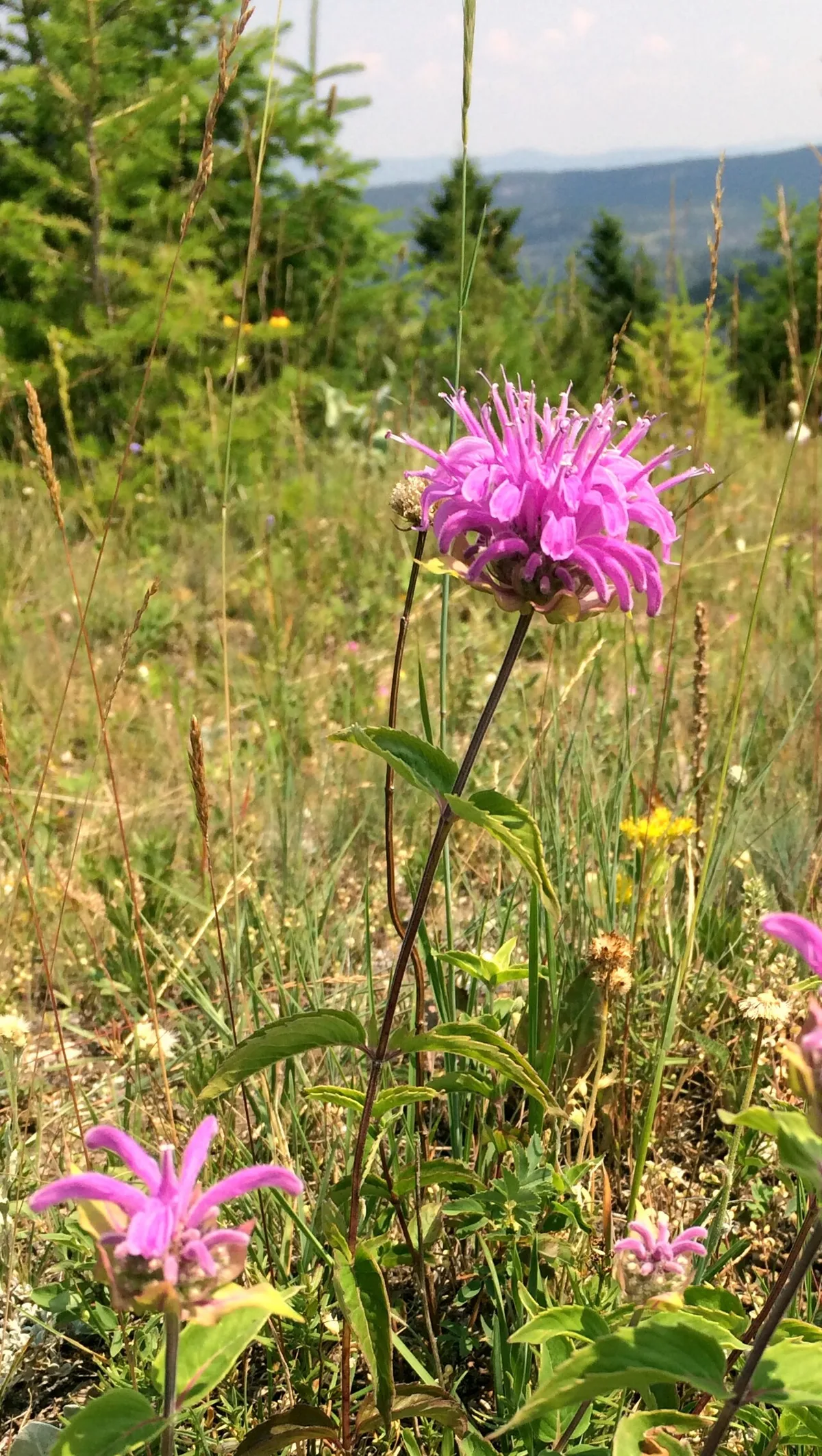
Image source: Wikimedia Commons / Forest Service Northern Region from Missoula, MT, USA
What Wild Bergamot Bee Balm Looks Like (and Why It Matters)
Knowing how to identify healthy wild bergamot saves you from buying the wrong plant or mistaking pests for normal growth. The flowers are the easiest giveaway: they’re tubular, lavender to pink, and arranged in a tight, spherical head that sits atop square stems, a classic mint family trait. Each bloom lasts about 4, 6 weeks, and the whole plant reaches 2, 4 feet tall with a loose, upright habit.
The leaves are equally telling. They’re opposite, lance-shaped, and release a strong bergamot-like scent when crushed, hence the name. In full sun, the foliage stays green and robust; in shade, it can look leggy and pale. Watch for powdery mildew later in summer: white, flour-like patches on leaves that don’t kill the plant but weaken it if left unchecked.
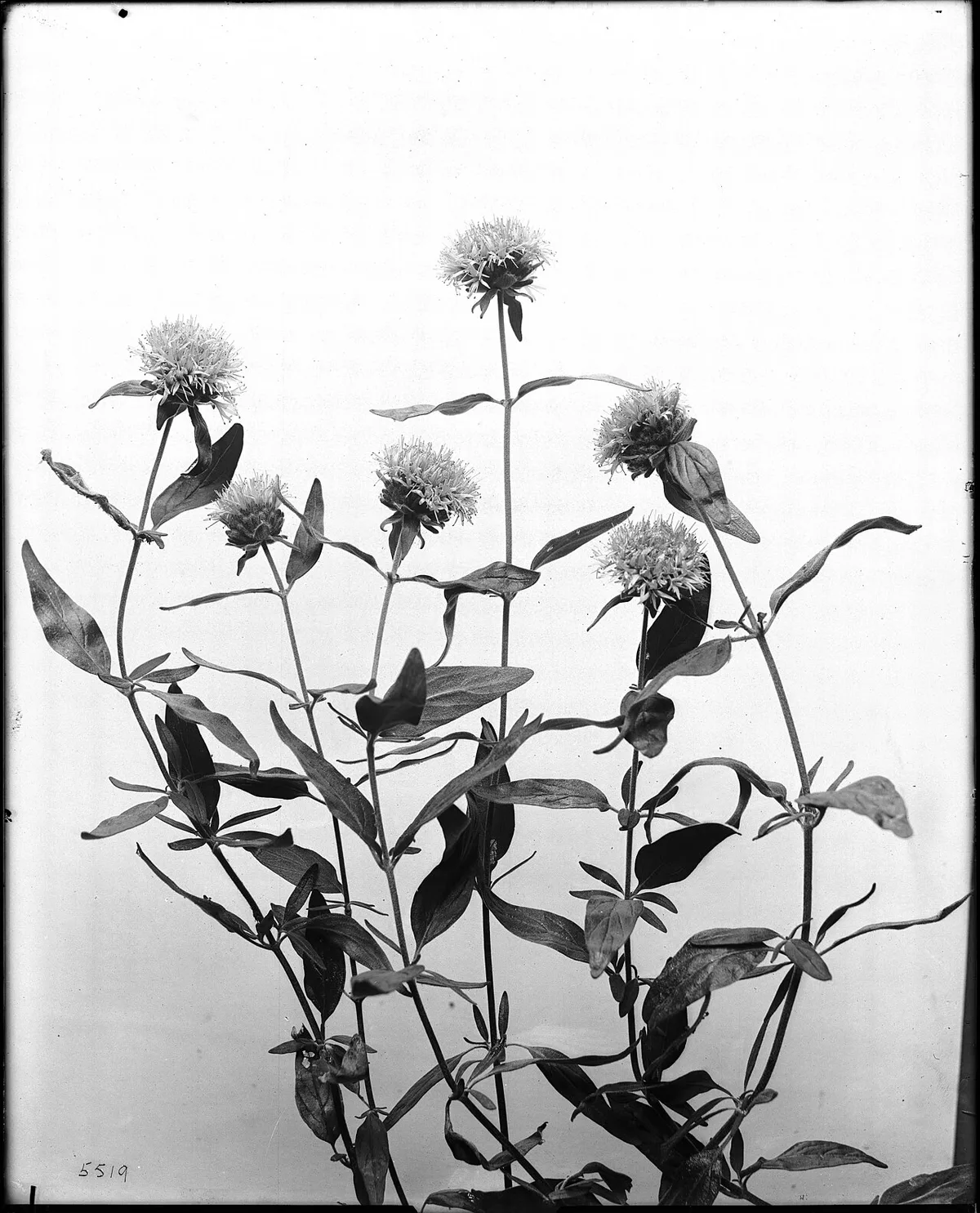
Image source: Wikimedia Commons / Unknown authorUnknown author
How to Spot the Right Spot for It in Your Garden
Wild bergamot isn’t fussy, but it does have preferences that affect both its looks and its pollinator appeal. First, sun: aim for at least 6 hours of direct light daily. In partial shade, it’ll still grow, but stems may flop and blooms will be fewer. Second, soil: well-drained is key.
It tolerates clay if it’s not waterlogged, but it hates “wet feet” in winter.
Spacing matters too. Plant them 18, 24 inches apart, close enough to create a lush display, but far enough to allow airflow and reduce mildew risk. Pair it with plants that bloom before or after it, like early coneflower or late goldenrod, to keep nectar flowing all season. And don’t forget containers: a single bee balm in a 12-inch pot on a sunny patio can become a hummingbird hotspot.
Two Main Types: Wild Bergamot vs. Scarlet Bee Balm
Not all bee balm is created equal. The two most common types, Monarda fistulosa (wild bergamot) and Monarda didyma (scarlet bee balm), look and behave differently. Wild bergamot has lavender flowers, thrives in drier soils, and is more drought-tolerant once established. Scarlet bee balm sports bright red blooms, loves moist conditions, and is a hummingbird magnet, but it’s also more prone to powdery mildew and needs richer soil.
Visually, you can tell them apart by flower color and leaf texture. Scarlet bee balm leaves are broader and darker green, while wild bergamot’s are narrower and grayer underneath. If you’re in a dry region or have sandy soil, wild bergamot is the smarter pick. If you’ve got a rain garden or consistently moist spot, scarlet bee balm will shine.
Step-by-Step: Planting and First-Season Care
Planting wild bergamot is straightforward, but a few details set you up for success. Start in spring after the last frost. Dig a hole twice as wide as the root ball but no deeper, burying the crown too deep invites rot. Backfill with native soil (no heavy compost or fertilizer; it encourages floppy growth).
Water deeply once, then only if rainfall is below 1 inch per week.
Mulch lightly with straw or shredded leaves to retain moisture, but keep it an inch away from the stem. In the first month, watch for new shoots at the base, that’s your sign it’s settling in. If you’re starting from seed, cold-stratify them for 30 days before sowing, or direct-sow in fall. Seedlings take 14, 30 days to emerge, so don’t panic if you don’t see action right away.
Keeping It Thriving: Maintenance Through the Seasons
Deadheading isn’t strictly necessary, but it can stretch bloom time by a week or two. Pinch off spent flower heads just below the cluster once most florets have faded. If you skip this, the plant will set seed, which is great for goldfinches but means fewer new blooms. Either way, don’t cut back stems in fall.
Leave them standing to shelter overwintering bees and other beneficial insects.
Powdery mildew shows up as white, powdery patches on lower leaves, especially in humid summers or crowded plantings. It won’t kill the plant, but it weakens it over time. Improve airflow by thinning nearby plants or staking tall stems. If mildew appears early, spray with a baking soda solution (1 tsp per quart of water) or remove affected leaves.
Avoid overhead watering, wet leaves invite trouble.
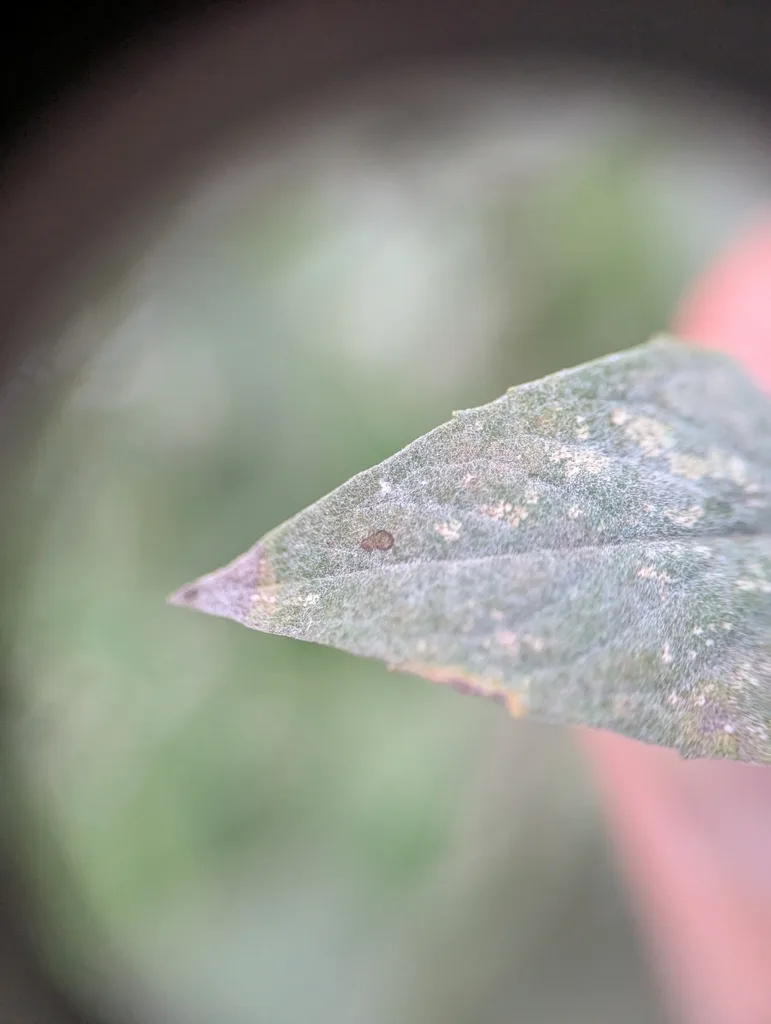
Image source: iNaturalist / cgmayers
Every 3, 4 years, divide overcrowded clumps in early spring. Dig the whole plant, split it into sections with a sharp spade, and replant the healthiest pieces. This keeps them vigorous and reduces mildew risk. Discard woody centers, they won’t regrow well.
Common Mistakes That Ruin the Look (and the Pollinators)
Overwatering is the top killer. Wild bergamot hates soggy soil, especially in winter. If leaves yellow or stems soften at the base, you’re likely giving it too much H₂O. Stick your finger an inch into the soil, only water if it’s dry.
Planting too close is another trap. While a dense patch looks lush at first, it creates a humid microclimate perfect for mildew. Stick to 18, 24 inches apart, even if it feels sparse. You’ll thank yourself by August.
Fertilizing heavily is a third misstep. Rich soil encourages weak, floppy growth that flops over and blocks airflow. Use compost sparingly, if at all. Native plants like this one thrive in average soils, don’t pamper them.
What Pollinators You’ll Actually See (and When)
From July through August, expect a steady stream of visitors. Native bees, especially bumblebees and long-horned bees, will dive headfirst into the tubular flowers. Hummingbirds zip in for nectar, while swallowtails and fritillaries nectar on the blooms. The real show starts mid-morning and peaks in the afternoon heat.
If you’ve planted scarlet bee balm nearby, you’ll notice more hummingbirds. Wild bergamot pulls in more bee species overall. Either way, you’re creating a pit stop in a pollinator highway, something increasingly rare in manicured landscapes.
Alternatives If Bee Balm Isn’t Right for Your Space
If your soil stays wet all winter or you’re in a very dry region without irrigation, consider coneflower (Echinacea purpurea). It’s equally attractive to bees and butterflies, handles drought, and resists mildew.
For shady spots, try mountain mint (Pycnanthemum muticum). Its silvery foliage and dense white flower clusters draw hundreds of tiny pollinators, including specialist bees. It also spreads politely, no aggressive rhizomes.
Milkweed (Asclepias syriaca or incarnata) is non-negotiable if you want monarch butterflies. It’s less showy than bee balm but critical for their lifecycle. Pair them: bee balm for nectar, milkweed for caterpillars.
Expert Tips for a Show-Stopping, Pollinator-Friendly Display
Group at least three bee balm plants together. Pollinators notice large patches faster than single stems. Mix heights, plant shorter asters or coreopsis in front, taller joe-pye weed behind.
Extend bloom time by pairing with early bloomers like prairie smoke (Geum triflorum) and late ones like New England aster. This ensures nectar from May through October.
Buy plants from native nurseries, not big-box stores. They’re more likely to carry straight species (not sterile cultivars) and be free of systemic pesticides that harm pollinators.
Final Checklist: Is Wild Bergamot Bee Balm Right for You?
You’re a yes if:
- Your garden gets at least 6 hours of sun
- Soil drains well (no standing water after rain)
- You want low-maintenance, wildlife-supporting plants
- You’re okay with some mildew in late summer (it’s cosmetic)
You might skip it if:
- You have heavy, constantly wet clay
- You prefer tidy, formal beds (this plant gets wild-looking)
- You’re planting in deep shade
If you check most boxes, plant it. Watch the bees arrive. That’s the real reward.
Can You Grow Wild Bergamot Bee Balm in Containers?
Yes, but it needs space. Choose a pot at least 12 inches wide and deep with drainage holes. Use a lightweight, well-draining mix, avoid heavy garden soil. Water more frequently than in-ground plants, especially in summer heat, but never let it sit in saucers of water.
Container-grown bee balm dries out faster and shows mildew sooner. Place pots where they get good airflow, and consider moving them to partial afternoon shade in hot climates. Fertilize lightly once in early summer with a balanced, slow-release organic fertilizer.
Does Wild Bergamot Bee Balm Come Back Every Year?
It’s a hardy perennial in USDA zones 3, 9. In colder zones, mulch lightly after the ground freezes to protect roots. In warmer zones, it may stay semi-evergreen but still benefits from cutting back dead stems in late winter.
Don’t expect blooms the first year from seed, most focus energy on roots. Planted starters will flower in their first season if given sun and decent drainage.
How Do You Stop Bee Balm from Spreading Too Much?
Divide every 2, 3 years in early spring. Dig the clump, discard the old center, and replant healthy outer sections. This keeps plants compact and vigorous.
For in-ground control, plant near hardscape edges or use root barriers. Or, grow it in a sunken container to limit rhizome escape.
Is Wild Bergamot Bee Balm Safe for Pets and Kids?
The plant is non-toxic. Leaves and flowers are edible in small amounts, used in teas or as garnishes. However, large quantities may cause stomach upset.
No reports of serious harm to pets exist, but cats and dogs sometimes vomit after chewing on any plant material. Keep an eye out, but don’t panic.
Where to Buy Native, Pesticide-Free Bee Balm Plants
Native nurseries and conservation districts are your best bet. Avoid big-box stores, many sell cultivars treated with neonicotinoids, which harm pollinators.
Look for Monarda fistulosa (not just “bee balm”) and ask about pesticide use. Online sources like Prairie Moon Nursery or local native plant societies offer verified, clean stock.