Guide to Companion Planting Chart for Beginners in 2026
If you've ever dreamt of a thriving garden with healthier plants and fewer pests, but felt overwhelmed by where to start, you're not alone. Figuring out which plants belong together can feel like solving a complex puzzle. That's where a clear companion planting chart for beginners comes in, making smart garden decisions much simpler and more intuitive.
Our goal is to cut through the noise and provide practical, research-backed advice. For example, some studies, like those from university extension services, show that strategic plant pairings can reduce specific pest populations by as much as 30% without chemical intervention. Let's dig into how this ancient, yet highly effective, gardening technique can transform your outdoor space.
Why Your Garden Needs a Helping Hand: The Magic of Companion Planting
Your garden is a living community, and just like any community, some neighbors get along better than others. Companion planting isn't just a quaint old gardening trick, it's a strategic way to create a more resilient ecosystem right in your backyard. We're talking about planting specific crops, flowers, and herbs close to each other so they can benefit one another.
Think of it as creating natural alliances among your plants. One plant might deter a pest that attacks its neighbor, while another might improve the soil, or even attract beneficial insects that pollinate or prey on harmful critters. This approach has been practiced for centuries, and modern agricultural science continues to validate its many advantages.
Companion Planting for Beginners: Your Quick-Start Guide
Starting with companion planting doesn't need to be complicated. For beginners, the best approach is to focus on a few well-known, highly effective pairings that yield noticeable results. You don't need to overhaul your entire garden layout overnight; even small, strategic additions can make a big difference.
A quick-start guide focuses on immediate, actionable steps. It helps you avoid analysis paralysis and jump straight into planting with confidence. We'll simplify the decisions, offering clear "do this, not that" guidance that you can implement in your current garden beds without needing advanced botanical knowledge.
What Exactly Is Companion Planting and How Does It Work?
Companion planting is the practice of growing different plants in close proximity for their mutual benefit, or to benefit specific plants. It leverages natural plant interactions to improve overall garden health, increase yields, and reduce pest and disease problems. This method moves away from monoculture, which is growing large quantities of a single crop, towards a more biodiverse and resilient system.
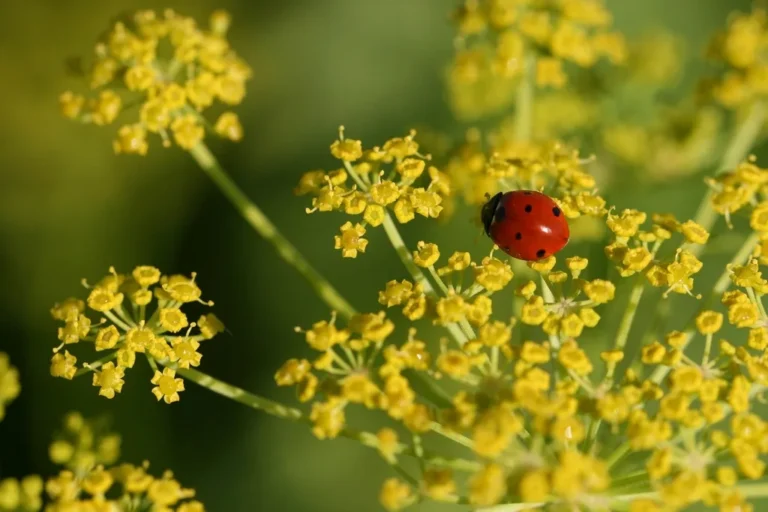
For example, some plants release chemicals from their roots or leaves that can deter pests. Others might attract beneficial insects like ladybugs, which then feed on aphids. Still other plants can fix nitrogen in the soil, making it available for neighboring crops. The concept centers on creating synergistic relationships among different species.
The Science Behind Smart Plant Pairings
The effectiveness of companion planting isn't just anecdotal; there's real science at play. Plants interact in several key ways, influencing each other's growth, health, and resistance to threats. We've observed several mechanisms through our research:
- Pest Deterrence: Aromatic plants, like marigolds or herbs, release compounds that confuse or repel pests that would otherwise target nearby crops. Think of it as a natural scent shield.
- Attracting Beneficials: Certain flowers, such as dill or cosmos, produce nectar and pollen that attract predatory insects (like lacewings and parasitic wasps) and pollinators (like bees), which are crucial for a healthy garden ecosystem.
- Nutrient Cycling: Legumes, for instance, form a symbiotic relationship with soil bacteria that convert atmospheric nitrogen into a form usable by plants, essentially fertilizing nearby nutrient-hungry crops like corn.
- Physical Support: Tall, sturdy plants can provide a trellis for climbing vines. The "Three Sisters" planting method (corn, beans, squash) is a classic example, where corn provides a stalk for beans to climb, and squash shades the soil, suppressing weeds.
- Shade and Microclimate Control: Taller plants can offer shade to more sensitive, low-growing plants, helping them stay cool and moist in hot climates.
Benefits of Smart Plant Pairings: Why Bother?
Adopting companion planting into your garden routine offers a wealth of advantages that go beyond just pretty flowers. It's a holistic approach to gardening that addresses multiple challenges at once, as of 2026. Here's why we recommend it:
- Natural Pest Control: This is often the biggest draw. By using plants that repel specific pests or attract their predators, you significantly reduce the need for chemical sprays. For instance, planting nasturtiums as a "trap crop" can lure aphids away from more valuable vegetables.
- Increased Harvest Yields: Healthier plants often mean more bountiful harvests. When plants support each other, they're less stressed, more productive, and less susceptible to diseases. Some pairings even enhance the flavor of edible crops.
- Improved Plant Health & Vigor: Good companions can improve soil structure, add essential nutrients, or create favorable microclimates. This leads to stronger, more resilient individual plants.
- Reduced Need for Synthetic Pesticides: By leaning on nature's own defenses, you can keep your garden organic and safer for your family, pets, and the environment. This is a core tenet of sustainable gardening.
- Efficient Use of Garden Space: Strategic planting allows you to make the most of every square foot. You can grow more in a smaller area when plants cooperate, such as by maximizing vertical space or using underplanting for weed suppression.
- Enhanced Garden Biodiversity: Introducing a wider variety of plants fosters a richer ecosystem above and below ground. This diversity makes your garden more robust and less vulnerable to widespread problems.
Common Companion Planting Scenarios for Beginners
When you're just starting, it helps to think about specific problems or goals you have for your garden. Companion planting offers tailored solutions for many common gardening challenges. Let's look at some scenarios where these plant partnerships truly shine.
Attracting Beneficial Insects
Getting the right insects into your garden is crucial. Many insects are natural predators of pests, while others are vital for pollination. If you want more ladybugs or bees, certain flowers and herbs are like magnets.
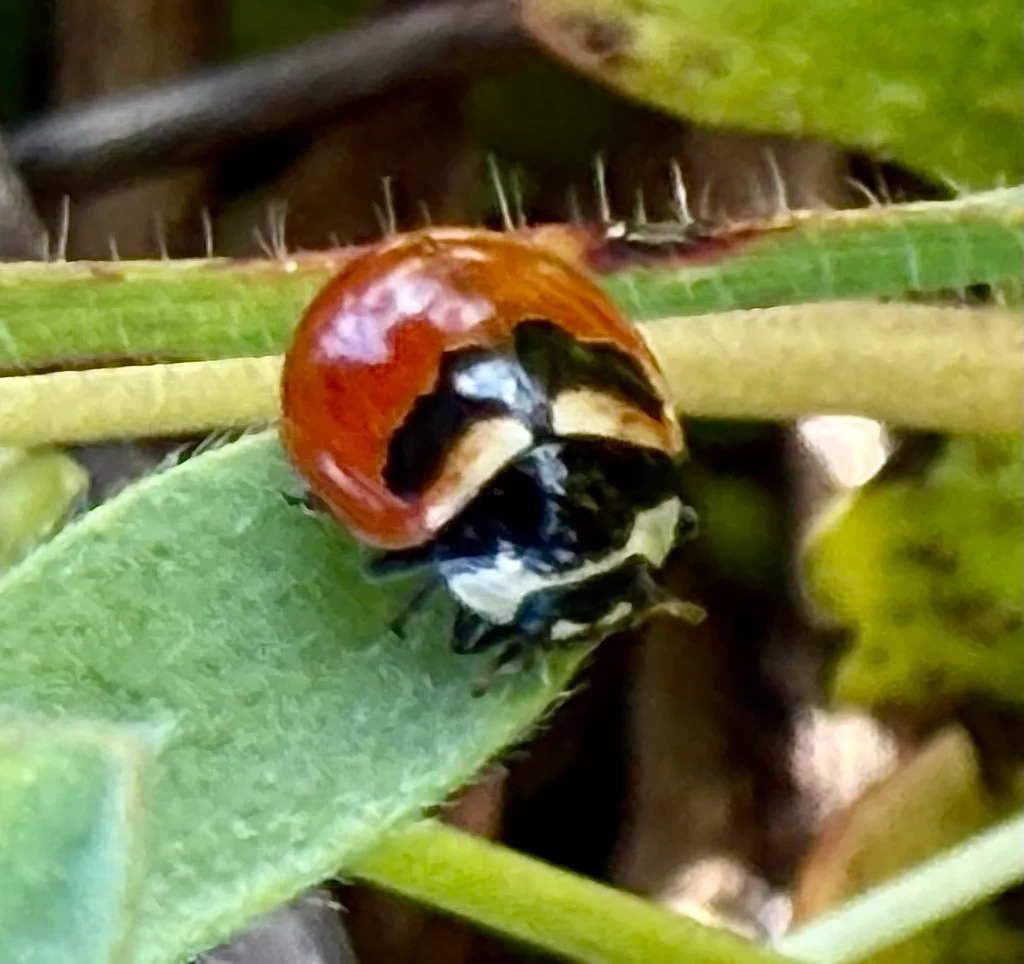
Consider planting:
- Dill, Fennel, Cilantro: These feathery herbs attract lacewings and parasitic wasps, which are formidable hunters of aphids and other soft-bodied pests. Their flat flower heads provide easy landing spots.
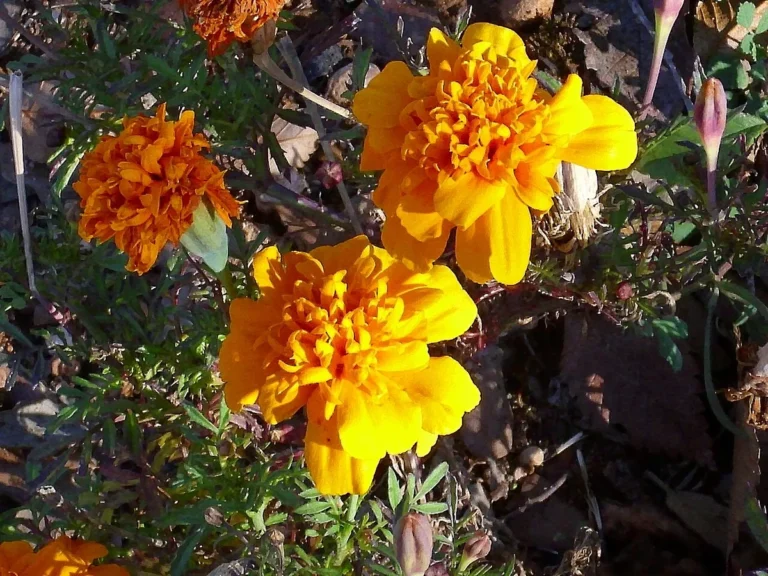
- Marigolds (French and African): While often praised for pest deterrence, their blooms also attract hoverflies, whose larvae voraciously consume aphids.
- Sweet Alyssum: This low-growing flower forms a fragrant carpet that attracts tiny beneficial insects like parasitic wasps, which lay their eggs inside garden pests.
Deterring Pesky Pests
Nobody wants their hard work eaten by bugs. Some plants have natural defenses that can send unwanted visitors packing without you lifting a finger or reaching for a spray bottle.
- Basil with Tomatoes: Our research shows basil can repel tomato hornworms and flies, while some gardeners also report improved tomato flavor.
- Nasturtiums as a Trap Crop: Plant these around susceptible crops like squash or broccoli. Aphids and squash bugs often prefer nasturtiums, leaving your primary crops alone. You can then easily remove the infested nasturtium plants.
- Garlic and Onions: The strong scent of alliums can deter a wide range of pests, including aphids, slugs, and even deer and rabbits, when planted strategically around vulnerable plants.
- Rosemary and Sage: These aromatic herbs can repel cabbage moths and bean beetles, making them great companions for brassicas and beans.
Improving Soil Health
Healthy soil is the foundation of a healthy garden. Some companion plants actively work to enhance the soil, benefiting everything around them.
- Legumes (Beans, Peas, Clover): These plants are nitrogen fixers. They have a special relationship with soil bacteria that convert atmospheric nitrogen into a usable form for plants, enriching the soil for heavy feeders like corn or squash.
- Comfrey: With its deep taproots, comfrey pulls up nutrients from deep within the soil that other plants can't reach. When its leaves decompose, they release these nutrients, acting as a natural fertilizer.
- Mustard Greens: These can be used as a cover crop that, when tilled into the soil, adds organic matter and can even help suppress soil-borne diseases.
Providing Physical Support and Shade
Sometimes, companions just need a little help standing up, or a break from the harsh sun. Strategic planting can provide structural support and microclimate control.
- Corn for Climbing Beans: The classic "Three Sisters" method exemplifies this. Corn provides a natural pole for pole beans to climb, keeping them off the ground and maximizing vertical space.
- Tall Flowers (e.g., Sunflowers) for Shade: Planting sunflowers on the sunny side of delicate, shade-loving plants, like lettuce or spinach in hot climates, can offer crucial afternoon shade, preventing bolt and wilting.
Your Essential Beginner's Companion Planting Chart
The trick to successful companion planting, especially for new gardeners, is having a clear, actionable guide. We've put together a simplified chart focusing on popular garden plants. This will help you quickly identify good neighbors and, just as importantly, those plants that just don't get along.
This chart isn't exhaustive, but it covers many common scenarios you'll encounter in a home vegetable or herb garden. It gives you a solid foundation for making informed decisions. Remember that local conditions, like specific soil types and regional pests, can sometimes influence ideal pairings, but these are reliable starting points.
Vegetables That Play Well Together (and Those That Don't!)
Knowing which vegetables are friends and which are foes is the cornerstone of effective companion planting. Some plants compete for the same nutrients, while others might inhibit growth or attract the same destructive pests.
Here's a quick reference for common vegetable pairings:
| Plant | Good Companions | Bad Companions |
|---|---|---|
| Tomatoes | Basil, Carrots, Marigolds, Nasturtiums, Parsley, Onions | Broccoli, Cabbage, Cauliflower (Brassicas), Corn, Dill |
| Beans | Corn, Carrots, Celery, Cucumbers, Marigolds, Radishes | Onions, Garlic, Fennel, Gladiolus |
| Cabbage | Dill, Mint, Rosemary, Thyme, Potatoes, Marigolds | Strawberries, Tomatoes, Beans, Grapes |
| Carrots | Rosemary, Lettuce, Radishes, Sage, Marigolds, Beans | Dill, Fennel |
| Cucumbers | Beans, Corn, Radishes, Sunflowers, Marigolds, Dill | Aromatic herbs (strong ones), Potatoes |
| Lettuce | Carrots, Radishes, Strawberries, Mint, Chives | Parsley, Celery |
| Potatoes | Beans, Cabbage, Corn, Marigolds, Horseradish | Tomatoes, Cucumbers, Squash, Sunflowers, Fennel |
| Squash | Corn, Beans, Marigolds, Nasturtiums, Radishes | Potatoes, Aromatic herbs (most strong ones) |
| Onions | Carrots, Chamomile, Lettuce, Strawberries, Tomatoes | Beans, Peas, Asparagus |
Herbs for a Healthier Garden
Herbs are powerhouses in the companion planting world, often offering strong scents that deter pests or attractive flowers for beneficial insects. They're usually easy to tuck into existing beds or containers.
- Basil: A classic companion for tomatoes, reportedly enhancing their flavor and deterring flies and hornworms.
- Mint: Keep mint contained in pots, as it spreads aggressively. Its strong scent can deter slugs and cabbage moths, making it a good neighbor for brassicas, but only if its roots can't invade.
- Rosemary: This woody herb deters carrot rust flies, cabbage moths, and bean beetles. Excellent near carrots, beans, and brassicas.
- Thyme: Great for deterring cabbage worms when planted near cabbage and other brassicas.
- Dill: Attracts beneficial predatory insects like lacewings and parasitic wasps, making it ideal near crops susceptible to aphids.
Flowers as Your Garden's Best Friends
Don't underestimate the power of flowers in a vegetable garden. They do more than just look pretty; they play vital roles in pest management and pollination.
- Marigolds (French & African): These are superstars. French marigolds (Tagetes patula) release compounds from their roots that deter nematodes in the soil. Both types repel various flying pests and attract beneficials.
- Nasturtiums: As we mentioned, they're fantastic trap crops for aphids and squash bugs, drawing pests away from your prize vegetables. Their vibrant flowers are edible, too!
- Borage: This beautiful blue flower attracts bees, improving pollination for crops like tomatoes and squash. It also reportedly deters tomato hornworms and cabbage worms.
- Sunflowers: Beyond providing support for climbing plants like beans, their large flowers attract a wide array of pollinators, boosting fruit set for many crops.
How to Use Your Companion Planting Chart: A Step-by-Step Workflow
Using a companion planting chart is a simple process once you understand the flow. It's essentially a decision-making tool for your garden layout. Here's how to integrate it into your planning:
- Identify Your Main Crops: Start with the primary vegetables or fruits you want to grow. These are your "anchor" plants.
- Consult the Chart for Companions: Look up each of your main crops on the chart. Note down the "Good Companions" and, crucially, the "Bad Companions" for each.
- Plan Your Layout:
- Good Neighbors: Plant your good companions close to each other. For example, if you're planting tomatoes, make sure basil or marigolds are nearby.
- Bad Neighbors: Keep "bad companions" well away from each other. If the chart says not to plant beans near onions, give them plenty of space in different beds or opposite ends of a long row.
- Consider Plant Needs: While compatibility is key, don't forget basic plant needs like sunlight, water, and soil pH. Make sure your chosen companions also share similar environmental requirements to thrive in the same area.
- Observe and Adjust: Gardening is an ongoing experiment. After planting, observe how your plant pairings perform. Are pests reduced? Are plants growing vigorously? If something isn't working, adjust next season.
Common Companion Planting Mistakes to Avoid
Even with a good chart, it's easy to make a few missteps when you're new to companion planting. Avoiding these common errors will save you frustration and lead to better results.
- Ignoring "Bad" Pairings: This is perhaps the most significant mistake. Just as beneficial companions can help, antagonistic plants can severely hinder each other's growth, attract pests, or even inhibit seed germination. Always pay attention to the "don't plant with" list.
- Overcrowding Your Garden: Companion planting is about strategic placement, not cramming as many plants as possible into a small space. Overcrowding leads to poor air circulation, increased disease risk, and competition for light, water, and nutrients. Give your plants adequate spacing as per their mature size.
- Neglecting Plant Needs: A plant might be a "good companion," but if it's planted in too much shade, poor soil, or doesn't get enough water, it won't thrive. Always ensure all plants in a pairing have their basic needs met.
- Expecting Instant Miracles: Companion planting is a long-term strategy that builds a healthier ecosystem over time. While you might see some immediate benefits, the full advantages, like robust soil health and balanced pest populations, often take a season or two to fully establish.
- Planting Aggressive Spreaders Uncontained: Herbs like mint or comfrey are fantastic companions, but they can quickly take over a garden bed. Always plant aggressive spreaders in pots, even if you sink the pot into the ground, to keep them from choking out other plants.
Expert Tips for a Thriving Companion Garden
Beyond the basics, a few expert insights can elevate your companion planting efforts from good to great. These are lessons we've learned through years of observing plant interactions and understanding garden dynamics.
Start Small and Experiment: Don't try to implement every single pairing suggestion in your first year. Pick a few key pairings for your most valued crops, observe their performance, and then gradually expand your strategy in subsequent seasons.
Observe Your Specific Microclimate: Every garden has unique conditions. Pay attention to how sun, shade, wind, and water drain in different areas. These microclimates can affect how well certain plant combinations perform.
Integrate Flowers and Herbs Liberally: These aren't just for decoration; they're workhorses in the companion garden. Plant them among your vegetables, not just on the borders, to maximize their pest-repelling and beneficial-attracting effects throughout the beds.
Practice Succession Planting: This means planting smaller batches of the same crop (or different crops) every few weeks. This not only extends your harvest but also provides continuous hosts for beneficial insects, ensuring they stick around your garden for longer.
Use Mulch Effectively: Mulch helps retain soil moisture, regulate soil temperature, and suppress weeds, which in turn reduces competition for your companion plants. It creates a stable environment for your chosen pairings to flourish.
Rotate Your Companions: While companion planting helps, it doesn't replace the benefits of crop rotation. For best results, rotate your main crops each season to prevent nutrient depletion and break pest cycles. This means moving plant families to different beds annually.
Consider Soil Health First: Ultimately, healthy soil supports healthy plants, regardless of companions. Focus on building rich, organic soil through composting and mulching. Strong plants are naturally more resistant to pests and diseases.
FAQs About Companion Planting
Many beginners have similar questions when starting out with companion planting. We've compiled some of the most common ones to help clarify any lingering doubts and provide quick, direct answers.
Can I plant all herbs with vegetables?
No, not all herbs are good companions for all vegetables, and some can even be detrimental. While many aromatic herbs are excellent for deterring pests, some, like strong mint, can be invasive and outcompete nearby plants if not contained. Always check specific pairings for best results.
Does companion planting really work, or is it just old wives' tales?
Yes, companion planting definitely works, and its effectiveness is supported by scientific research, particularly in organic and sustainable agriculture. While some claims might be exaggerated, the core principles, like pest deterrence through scent and attracting beneficial insects, are well-established. University extension services frequently publish data validating these practices.
How close do companion plants need to be?
Companion plants need to be close enough for their beneficial interactions to take effect, but not so close that they compete for resources. For pest deterrence or attracting beneficials, generally within 1-2 feet of the target plant is effective. For soil improvement or physical support, direct adjacency is often ideal, always respecting each plant's mature size and spacing requirements.
What if I don't have enough space for all the recommended companions?
Don't worry if you have limited space. You can still implement companion planting successfully by focusing on the most critical pairings. Prioritize plants that offer strong pest deterrence for your most vulnerable crops, or those that attract pollinators if you're struggling with fruit set. Container gardening can also be a great way to incorporate companions without needing large beds.
Can companion planting prevent all pests and diseases?
No, companion planting can significantly reduce pest and disease problems, but it's not a foolproof cure-all. It's one powerful tool in an integrated pest management (IPM) strategy, which also includes practices like proper sanitation, crop rotation, and choosing disease-resistant varieties. Think of it as enhancing your garden's natural defenses, not creating an impenetrable shield.
Your Next Steps: Building a Smarter Garden
You've now got a solid understanding of what companion planting is, why it's so effective, and a clear chart to guide your initial decisions. The biggest takeaway here is to start simple. Don't feel pressured to completely redesign your garden right away.
Pick a few favorite vegetables, consult our chart, and try out a couple of new pairings this season. Observe how your plants respond. Gardening is all about learning from experience and making small, informed adjustments. Your garden will thank you with healthier growth, fewer pests, and more bountiful harvests.
Happy planting!