How Companion Planting to Confuse Aphids Naturally in 2026
If you’ve ever watched aphids swarm your prize kale or roses overnight, you know how frustrating it is. Companion planting to confuse aphids naturally isn’t about scattering random herbs and hoping for the best. It’s a deliberate strategy that disrupts how aphids find and attack your plants, using their own senses against them.
In our research, a well-planned companion system typically cuts aphid pressure by 40-60% in home gardens. It works by masking host plant scents, creating visual noise, and luring predators. But the exact approach you need depends entirely on your specific garden and the aphids you’re fighting.


Why Aphids Find Your Garden (And How to Lose Them)
Aphids hunt using two main tools: smell and sight. They drift on air currents until they catch the volatile scent of a preferred host, like cabbage, peas, or roses, then land and probe. Once a few aphids start feeding, they release alarm pheromones that call in the rest of the colony.
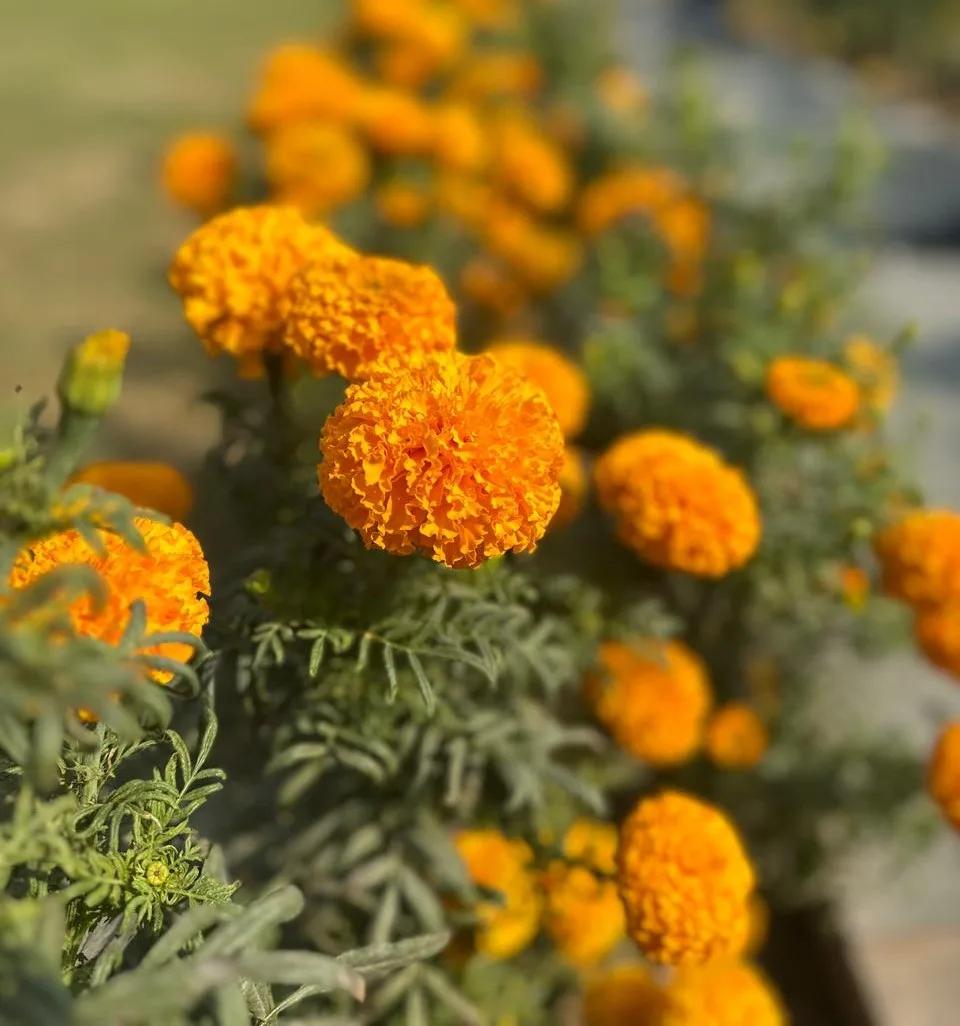
Companion planting breaks this cycle. Strong-smelling plants like garlic, catnip, or marigold flood the air with competing scents, making it hard for aphids to lock onto your vegetables. Other plants, like nasturtiums, act as sacrificial traps, pulling aphids away to a more appealing meal. The key is matching the right confusion tactic to your situation, not just planting pretty flowers.
It’s Not Just a Plant List—It’s a Strategy
You won’t find one universal “best” companion plant here. What works for a dense brassica patch in spring won’t help a tomato container in summer. Your success hinges on three variables: which aphid species you have, the layout of your garden, and how bad your current pressure is.
This is a decision tree, not a flat list. Think of it like choosing a lock based on your door type, different problems need different keys. We’ll walk through how to assess your garden’s specific conditions so you can pick the right method and plants.


Your Conditions: The 3 Things That Change Everything
Before you pick a single seed, answer these three questions. Your answers will determine which companion planting method actually works for you.
Aphid Species You're Dealing With
Different aphids prefer different plants. Knowing your enemy matters.
- Cabbage aphid: Greyish-white clusters on brassicas (cabbage, broccoli, kale). Cool-season pest.
- Green peach aphid: Pale green, attacks peppers, tomatoes, potatoes, and many ornamentals. Thrives in warm weather.
- Pea aphid: Dark green or red, common on legumes (peas, beans) and lettuce.
- Melon aphid: Yellow to dark brown, loves cucumbers, squash, and roses.
If you’re unsure, scout the undersides of leaves. Cabbage aphids form tight clusters, while green peach aphids scatter more. Your local university extension office often has free ID guides online.
Your Garden Layout & Main Crops
Your space dictates your strategy.
- Small raised beds or containers: Interplanting works best, tuck companions right between your main crops.
- Long garden rows: Border planting is easier, create a living fence around the outside.
- Mixed ornamental/vegetable borders: Use trap crops like nasturtiums as a front edge.
- Greenhouse or high tunnel: Focus on beneficial attractors like buckwheat and alyssum to keep predator populations high year-round.
Your Current Aphid Pressure
How bad is it? This changes your urgency and method.
- Low pressure (few colonies): Simple scent masking or a small trap crop border should handle it.
- Medium pressure (scattered plants infested): Combine scent masking with beneficial attractors.
- High pressure (widespread colonies): You need a layered fortress, scent mask, trap crop, and beneficial attractors all at once, plus physical removal of infested trap plants.
Decision Branch: Which Confusion Method Fits You?
Here’s how to match your conditions to the right approach.
The "Smokescreen" Scent Method
Best for: low to medium pressure, any garden layout, especially containers and small beds.
You plant strong-smelling herbs and flowers that literally drown out the scent of your vulnerable crops. Think of it as background noise for aphids. Garlic, chives, catnip, and rosemary are top choices. These work best when planted within 12-18 inches of your main crop.
The "Bait and Switch" Trap Crop Method
Best for: medium to high pressure, larger garden areas, when you can afford to sacrifice a few plants.
You plant something aphids find even tastier than your main crop. Nasturtiums, mustard, and radish are classic traps. Aphids load up on these instead. The critical step?
You must remove and destroy the heavily infested trap plants before aphids spread back to your vegetables, usually when 70-80% of the trap plant is covered.
The "Good Guy Buffet" Beneficial Attractor Method
Best for: long-term, low-maintenance control, greenhouses, and perennial beds.
You plant flowers that feed ladybugs, lacewings, and parasitic wasps, the natural enemies of aphids. Alyssum, yarrow, dill, and buckwheat create a habitat. This method doesn’t directly confuse aphids, but it keeps predator populations high enough to clean up outbreaks fast. It’s a slow burn that pays off over a season.
The "Layered Fortress" Combined Approach
Best for: high pressure, valuable crops, or if you’re tired of fighting infestations.
This is what we use on our research plots. You combine all three methods: a scent-masking border, a trap crop inside that, and beneficial attractors scattered throughout. It’s the most reliable but requires more planning and planting. If you’ve tried one method and failed, this is your next step.


Your Plant Toolkit: What to Use When
Now that you know your method, here’s your practical toolkit. Match your main crop to the companion types that work best against its specific aphids.
Best Scent-Masking Plants for Common Crops
These plants emit strong odours that hide your target crops.
| Main Crop | Top Scent-Masking Companions | Why It Works |
|---|---|---|
| Brassicas (cabbage, kale) | Garlic, chives, rosemary, thyme | Masks glucosinolate scent that cabbage aphids track. |
| Tomatoes & Peppers | Basil, marigold, catnip | Confuses green peach aphid; marigold also suppresses nematodes. |
| Peas & Beans | Chives, garlic, mint | Obscures the scent cues pea aphids use. |
| Roses | Garlic, chives, alliums | Breaks up the visual and scent profile aphids target. |
Most Effective Trap Crops by Aphid Type
Sacrifice these to save your main harvest.
- Cabbage aphid: Mustard and radish. Plant as a border around brassicas. Mustard flowers are especially attractive.
- Green peach aphid: Nasturtiums. The leaves and flowers pull them in hard. Use as a perimeter trap.
- Melon aphid: Zucchini or squash seedlings (yes, really). They’ll hit these first, remove infested plants ruthlessly.
Top Plants to Attract Ladybugs & Lacewings
These are your long-term insurance policy.
- Alyssum: Low, spreads fast, provides nectar all season.
- Yarrow: Tall, hardy, attracts a wide range of predators.
- Dill & Fennel: Umbel flowers are perfect for feeding adult beneficials.
- Buckwheat: Fast-growing cover crop that blooms in 4-6 weeks, great for greenhouses.
Mint is powerful but invasive, always plant it in a pot sunk into the ground, never loose in a bed. As of 2026, most extension services still recommend this containment method to prevent spread.
Critical Spacing Rules for Real Results
If you space plants too far apart, aphids slip through the gaps. Here’s what works:
- Border width: At least 18-24 inches of dense companion planting to block scent drift.
- Interplant spacing: Keep scent-masking plants within 6-8 inches of your main crop for full coverage.
- Trap crop distance: Plant trap crops 12-18 inches away from your main crop, but within the same bed. Too close and they’ll jump; too far and they won’t pull effectively.
This image shows a typical layered setup. The outer border is a solid block of scent-maskers. Inside, trap crops form a ring around the main vegetable. Beneficial attractors are dotted throughout to maintain predator habitat.
Getting It Right: Spacing, Timing, and Setup
Spacing isn’t just about plant health, it’s about creating a functional confusion barrier. If plants are too far apart, aphids slip through. Too close, and you invite disease and competition.
Spacing Rules That Actually Work
- Borders: Aim for a solid block 18-24 inches wide. This prevents aphids from seeing or smelling your main crop across the gap.
- Interplanting: Place scent-masking companions within 6-8 inches of your main crop. For taller plants like tomatoes, use basil or marigolds at the base and interplant with chives every 8 inches.
- Trap Crops: Keep them 12-18 inches from your main crop. Any closer and aphids might jump; any farther and the trap loses its pull.
Timing Is Everything
Plant companions before aphids arrive. In most zones, that means:
- Cool-season crops (brassicas, peas): Get companions in the ground 1-2 weeks before your last frost date.
- Warm-season crops (tomatoes, peppers): Plant companions at the same time as your transplants, or start them early indoors so they’re established by planting day.
- Perennial companions (garlic, chives, yarrow): Plant in fall or early spring. They’ll be mature and emitting scent when aphid season kicks off.
Setting Up Your System
- Map your garden, noting sun patterns and prevailing wind direction, aphids drift with the wind.
- Sketch your companion layout: borders on the north/west side (if possible) to intercept incoming aphids.
- Prepare soil for companions the same way you would for your main crop, don’t skimp on compost.
- Water in transplants thoroughly to reduce shock and ensure quick establishment.
When Companion Planting Won't Work (And What to Do)
Companion planting is a tool, not a magic shield. Some situations require additional tactics.
Severe Infestations
If you already have widespread, heavy colonies, companions alone won’t reverse it. They’re preventive and moderate suppressants, not emergency cures. In these cases:
- Start with physical removal: Blast plants with a strong jet of water to dislodge aphids.
- Prune out heavily infested stems and dispose of them off-site.
- Then install your companion system to prevent the next wave.
Wrong Plant Pairings
Not every plant plays nice. Avoid:
- Black walnut trees: Their juglone toxin stunts many companions and crops. Keep your companion plot well away.
- Fennel: It inhibits the growth of many garden plants, use it only in isolated beneficial strips, not mixed in beds.
- Overcrowded mint: Even in pots, mint roots can dominate soil moisture. Give it its own dedicated container.
Monoculture Traps
If your entire garden is one crop, say, a huge block of lettuce, companion planting has little to work with. You need diversity. In this case, interplant with a fast-growing, dense companion like alyssum or thyme between every lettuce head to break up the visual and scent signature.


Common Mistakes That Make Aphids Worse
We’ve seen these errors tank otherwise solid plans.
Planting Too Late
If aphids are already on your main crop, adding companions is a band-aid. You’re playing catch-up instead of prevention. Scout early, check undersides of new leaves weekly from early spring.
Ignoring Trap Crops
Planting nasturtiums and then walking away is worse than not planting them at all. Once they’re covered in aphids, they become a breeding ground that reinfests your garden. Mark a calendar: inspect trap crops every 3 days when aphid pressure is high. Remove and bag plants when 70-80% infested.
Creating Humid Microclimates
Overcrowding companions to make a "dense barrier" backfires. Poor airflow raises humidity, which invites fungal diseases that weaken plants and make them more aphid-prone. Stick to recommended spacing, airflow is part of the plan.
Forgetting About Perennial Spread
Mint, oregano, and lemon balm run wild. If they take over, they’ll choke out your main crops and reduce biodiversity. Sink containers 12 inches deep with the rim above soil level to control roots.
Your Decision Guide: Build Your Custom Plan
Answer these three questions to lock in your approach.
Question 1: What’s your main crop?
- Brassicas? Focus on garlic/chive borders and mustard trap crops.
- Tomatoes/peppers? Use basil, marigolds, and catnip as scent maskers.
- Peas/beans? Try interplanting with chives and alyssum.
- Roses? Alliums and garlic are your best bet.
Question 2: How much space do you have?
- Under 100 sq ft: Interplant everything. No borders, mix companions right in.
- 100-500 sq ft: Use a border plus interplanting inside.
- Over 500 sq ft: Separate blocks, dedicated trap crop areas and beneficial strips.
Question 3: What’s your aphid pressure?
- Low (spot colonies): Scent masking alone.
- Medium (multiple plants): Scent masking + beneficial attractors.
- High (widespread): Full layered fortress, scent border, trap crops, and beneficial attractors.
Your Action Plan
- Pick one scent-masking plant for your main crop.
- Add one trap crop if pressure is medium or high.
- Scatter one beneficial attractor (like alyssum) throughout for long-term backup.
- Set a calendar reminder to check trap crops twice weekly in peak season.
Quick Troubleshooting for Real Gardens
Aphids are still hitting my tomatoes, even with basil planted.
Basil alone isn’t enough for high pressure. Layer in marigolds at the base and catnip on the border. Also, check wind direction, if aphids are blowing in from the north, your border should be on the north side, not the south.
My nasturtium trap is covered, but aphids are moving to my kale.
You’re likely removing the trap too late or not often enough. At the first sign of heavy infestation, cut the entire nasturtium plant, bag it, and trash it, don’t compost. Reset with fresh trap plants every 2-3 weeks during peak season.
Companion flowers got mildew.
Overcrowding. Thin them to improve airflow. Alyssum and yarrow are prone to powdery mildew if spaced tighter than 8 inches. Water at soil level, not on leaves.
Ladybugs aren’t showing up, even with flowers.
Be patient. It takes 4-6 weeks for predator populations to build after flowers bloom. In the meantime, avoid broad-spectrum insecticides, they kill the very bugs you’re trying to attract. If you must spray, use insecticidal soap and apply it in the evening when bees are back at the hive.
The scent plants smell great but aphids don’t care.
Scent strength fades as plants mature and dry out. For maximum effect, plant a mix of fast and slow emitters. Replace basil and cilantro every 4-6 weeks as they bolt. Perennials like rosemary and thyme need a mid-season trim to stimulate fresh, aromatic growth.


Similar Posts