Guide to Sage Rosemary Companion Plant Cabbage Moth in 2026
You’re watching white butterflies dance around your cabbage patch, and you’ve heard that sage and rosemary might help. Let’s get straight to the point: using sage rosemary companion plant cabbage moth strategies can work, but it’s not a magic spell. It’s a clever bit of ecological trickery that, when set up right, gives your brassicas a real fighting chance.
In our research, the key factor for success is timing and placement. You need mature, aromatic herb plants established before the moths become active. Think of it as setting up a security system, not calling the police after a break-in. This guide walks you through making it work for your specific garden.


The Core Problem: Why Moths Find Your Cabbage (And Why Herbs Help)
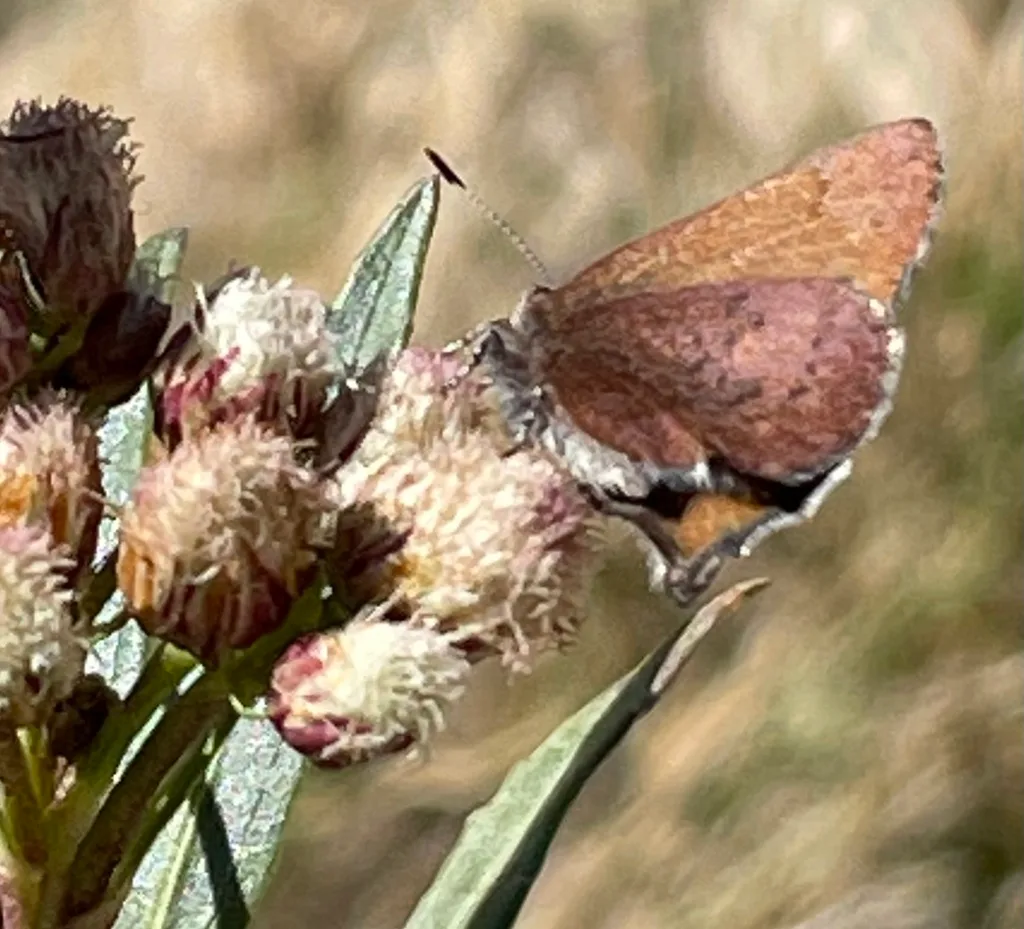
Cabbage moths, specifically the Imported Cabbageworm (Pieris rapae), aren’t psychic. They hunt by smell. Your cabbage, kale, or broccoli releases specific volatile chemicals that act like a dinner bell from hundreds of yards away. The female moth follows this scent trail, lands on the leaves, and lays her eggs.
A few days later, you’ve got velvety green worms eating your harvest.
This is where sage (Salvia officinalis) and rosemary (Rosmarinus officinalis) come in. They don’t poison the moths. Instead, they flood the air with their own powerful aromatic oils, compounds like camphor, eugenol, and thujone. To the moth’s senses, this creates a smokescreen.
The clean scent of your cabbage gets lost in the herbal haze, making it much harder for the moth to pinpoint her target.
The strategy is called olfactory camouflage. It doesn’t make your garden invisible; it makes it blurry. You’ll still get some moths, and you’ll still get some eggs. The goal is to reduce the landing rate and egg load to a manageable level, cutting your damage by a significant margin.
Quick Answer: Yes, It Works—But Here’s the Catch
The answer isn't a simple yes or no, it depends on your setup. Sage and rosemary are highly effective companion plants for reducing cabbage moth damage, but their performance hinges on specific conditions being met. If you get the details right, aggregate gardening studies and university extension reports show a typical reduction in worm damage between 40% and 60%.
The critical catch is that these herbs function as a repellent, not an insecticide. They deter egg-laying. If moths have already laid eggs before you plant the herbs, you’re starting the game late. Success requires a proactive approach, treating your herbs as a preventative shield rather than a reactive cure.


How Scent Masking Actually Works
Think of a moth’s nose as a precision instrument. It can detect a single molecule of cabbage scent on the breeze. The essential oils released by sage and rosemary aren’t just a single smell; they’re a complex cocktail of volatile compounds. When these are released into the same airspace, they bind to the same scent receptors on the moth’s antennae, effectively jamming the signal.
It’s important to understand the limitations. The scent barrier has a relatively short range, maybe 12-18 inches from the herb plant itself. Wind direction matters immensely. A plant downwind of your cabbage might as well not be there.
This is why placement isn’t just a suggestion, it’s the entire strategy.
Furthermore, the concentration of oils is directly tied to the plant’s health. A stressed, waterlogged, or shaded herb plant produces fewer oils and becomes far less effective. For the barrier to work, you need robust, bushy, and well-maintained sage and rosemary plants actively pumping out their defensive chemistry.
Your Companion Planting Decision Guide
This isn’t a one-size-fits-all solution. Use this flowchart to match the technique to your garden’s reality.
Decision Factor 1: Your Garden Size & Layout
The scale of your plot dictates the primary strategy.
- For Small Beds (4×4 ft or less): The perimeter strategy is your only reliable option. You cannot rely on interplanting here. You need to place 3-4 mature herb plants in a ring outside the physical boundary of your cabbage bed. This creates a defined scent wall the moths must cross.
- For Medium to Large Plots: You have two viable paths. The perimeter ring, planting herbs every 2-3 feet around the entire brassica block, remains the gold standard for effectiveness. The interplanting method (herbs mixed within the rows) becomes possible, but it demands strict adherence to spacing rules to avoid competition for water and nutrients.
- For Open Fields or Monocultures: This method is not suitable. The scent from a few herb plants cannot permeate a large, open area effectively. You’ll need to look at larger-scale integrated pest management (IPM) strategies.
Decision Factor 2: Your Moth Pressure Level
Be honest about the pest pressure you’re facing.
- For Low to Moderate Pressure: You likely only see a few butterflies fluttering through occasionally. In this scenario, a well-executed companion planting plan with sage and rosemary, combined with weekly scouting (checking for eggs on leaf undersides), should provide sufficient control. This is the ideal scenario for this technique.
- For High Pressure: You’re seeing constant butterfly activity and finding multiple worms per plant. Herbs alone will be overwhelmed. Here, companion planting becomes one layer of a multi-pronged defense. You must pair it with either floating row covers (removed for pollination) or a targeted organic spray like Bacillus thuringiensis (Bt). The herbs buy you time and reduce the frequency of your other interventions.
Decision Factor 3: Your Timeline
When you plant is as important as what you plant.
- If You’re Just Starting Your Cabbage: This is the perfect time. Sow your sage and rosemary seeds or set out starter plants immediately. They need a lead time of 2-3 weeks to establish size and oil production before your cabbage transplants go in and become attractive to moths.
- If Your Cabbage Is Already Planted and Moths Are Active: You’re in damage control mode. It’s late, but you can still pot up some herbs and place them strategically around the bed. Manage your expectations, this is about limiting further loss, not achieving perfect protection. Focus on hand-picking eggs and larvae while the herbs get established.


Step-by-Step: Setting Up Your Scent Barrier
1. The Pre-Planting Phase (Non-Negotiable)
This is where most gardeners fail. Start your herbs at least 2-3 weeks before you transplant your cabbage, broccoli, or kale. You need them to reach a minimum size of 6 inches tall with a bushy, established form. A tiny seedling produces negligible scent.
A mature plant is your primary defense.
2. Positioning Your Herbs for Maximum Effect
- The Perimeter Method (Most Reliable): This is the recommended approach. Plant your sage and rosemary in a continuous ring, 12 to 18 inches outside your brassica bed. Space individual plants 2-3 feet apart. Position rosemary, which grows upright, on the side from which the prevailing wind comes. This allows its camphor-rich scent to drift directly over your cabbage.
- The Interplanting Method (Space-Saver): If you must mix them, place one herb plant between every three to four cabbage plants. The absolute minimum distance between the root zones of the herb and the cabbage is 8 inches. Crowding them leads to both plants becoming stunted and less aromatic.
3. Keeping Your Herbs Potent
An unhealthy herb is an ineffective herb. These Mediterranean plants demand specific care to produce maximum defensive oils.
- Watering: Let the soil dry out completely between waterings. Sage and rosemary hate wet roots. Overwatering causes root rot and stress, which shuts down oil production.
- Pruning: Pinch back the tips of your sage and rosemary every 2-3 weeks during the growing season. This encourages bushy, new growth where oil concentration is highest. A leggy, woody plant that’s never been pruned will offer poor protection.
Common Mistakes That Ruin Your Results
Even with the best herbs, a few critical errors can sink the whole strategy. Here’s what to watch for.
Planting Seedlings Instead of Mature Plants. A tiny sage sprout an inch tall might look cute, but it’s producing almost no aromatic oil. It’s essentially decorative. You need plants that are at least 6 inches tall and densely branched. If you’re buying starts, look for ones already in a 4-inch pot, not a tiny cell pack.
Ignoring Root Competition. Herbs and cabbage are both hungry. If you plant your rosemary right next to your broccoli, they’ll fight for water and nutrients. The result is two stunted plants, weak cabbage and a weak scent barrier. That 8-inch minimum spacing isn’t a suggestion; it’s a survival rule.
Planting After the Moths Arrive. This is the classic case of closing the barn door after the horse is gone. If you see butterflies laying eggs and then decide to plant herbs, you’re already behind. The scent barrier needs to be established before the pest. At that point, you’re relying on hand-picking to control the current generation.
Letting Herbs Get Woody and Leggy. An unpruned sage plant turns into a sad, woody stick. Those old stems produce minimal oil. The scent power comes from new, fresh growth. If you never pinch back your herbs, you’re getting a fraction of their potential protection.


When to Use Alternatives (Or Add Them to the Mix)
Companion planting isn’t the only tool. Sometimes it needs backup.
Floating Row Covers
These are lightweight fabrics draped over your brassicas. They provide a physical barrier that moths cannot penetrate to lay eggs.
- Best for: High-pressure situations, valuable seedlings, or gardens where you see constant butterfly traffic.
- Trade-offs: You must remove them when your cabbage family plants flower if you want them to produce seed (though most gardeners don’t save cabbage seed). They can also slightly increase humidity under the cover, which requires good airflow to prevent disease.
Bt (Bacillus thuringiensis)
This is a naturally occurring soil bacteria, sold as an organic spray. When caterpillars eat leaves coated with Bt, it stops them from eating within hours.
- Best for: Severe infestations where you’ve spotted many worms. It’s a rescue treatment, not a preventative.
- Trade-offs: It’s a biological insecticide. While it targets only caterpillars and won’t harm beneficial insects, it’s still an intervention. Over-reliance can lead to resistant pest populations. Use it as a last resort, not a first line of defense.
Hand-Picking
The old-school method. Turn over leaves and squash any yellow or white eggs you find. Pick off any visible worms.
- Best for: Every garden, all the time. Even with herbs, you should be doing this weekly.
- Trade-offs: It’s time-consuming but highly effective for low-level populations. It’s the perfect partner to your scent barrier strategy.
Nasturtiums as a Trap Crop
Nasturtiums are often suggested as companions for brassicas. Their theory is different: they act as a sacrificial plant, attracting aphids and some cabbage pests away from your main crop.
- Best for: Dealing with aphids, not cabbage moths. Their scent doesn’t effectively mask cabbage.
- Trade-offs: If you use them, plant them well away from your brassicas. If planted too close, they can simply become a pest nursery next to your food.
FAQs: Real Questions from Real Gardens
Does it work for other brassicas besides cabbage?
Yes, absolutely. The same principle applies to broccoli, cauliflower, kale, Brussels sprouts, and kohlrabi. The moths target the entire Brassica family, and the scent masking works across the board.
Sage or rosemary—which is better?
Use both if you can. They complement each other. Sage has a broad, spreading habit and a earthy, piney scent. Rosemary is upright, with a strong camphor and pine aroma.
Different compounds may affect moth receptors slightly differently, giving you a broader-spectrum smokescreen.
Will planting herbs attract other pests?
Not typically. The strong aromatic oils of sage and rosemary tend to deter a range of pests, including carrot flies, cabbage maggots, and even some rodents. They are generally considered pest-suppressive plants overall.
How long do the herbs stay effective?
As long as they are healthy, actively growing, and well-pruned. The key is consistent new growth. In perennial zones (as of 2026, sage is hardy to USDA zone 5, rosemary typically to zone 8), you’ll need to overwinter them properly and expect some reduced efficacy during cold months. Annual herbs will need replanting each year.
Do I need to crush the leaves to release the scent?
No, don’t. The leaves release their volatile oils naturally through their glands. Crushing them might give a short-term burst of smell, but it damages the plant and stresses it. Healthy, intact leaves on a well-pruned plant are the most effective.
The Verdict: Your Action Plan
This method is a proven, low-cost layer in your pest management toolkit. It won’t give you sterile results, but it will make your garden harder to find and less appealing to pests.
- Assess your situation. How big is your garden? How bad are the moths? When did you plant your cabbage?
- Choose your primary strategy. For most, a perimeter ring of mature herbs is best. For small spaces, it’s non-negotiable.
- Commit to the timeline. Plant or pot up your herbs now if you haven’t. They need that head start.
- Maintain for potency. Water sparingly and prune regularly. A thriving herb is a working herb.
- Combine with scouting. No companion plant replaces the need to check your leaves weekly for eggs.
Get these elements right, and you’ll spend less time fighting an endless war against worms. You’ll harvest more clean, healthy cabbage. That’s a win worth planting for.


Similar Posts