Guide to Flowers That Repel Pests in Vegetable Gardens 2026
If you're tired of battling aphids, squash bugs, or tomato hornworms with sprays and chemicals, you're in the right place. Many gardeners are discovering that incorporating specific flowers that repel pests in vegetable gardens offers a beautiful, organic solution. It’s all about creating a balanced ecosystem where plants work together, turning your garden into a natural fortress against common garden invaders.
This approach isn't just wishful thinking, it's backed by science; for instance, many pest-repelling flowers produce volatile organic compounds, and research from institutions like Oregon State University Extension consistently highlights the effectiveness of certain companion plants. We're going to dive into specific flowers that can make a real difference in your garden, helping you choose the best options for your particular pest problems.
Dealing with Pesky Critters in Your Vegetable Garden
Every gardener knows the frustration of walking out to a thriving bed only to find leaves chewed, plants wilting, or entire harvests jeopardized by pests. From the tiny, sap-sucking aphids to the voracious cabbage worms, these unwelcome guests can turn your dream garden into a nightmare. Chemical pesticides offer a quick fix, sure, but they often harm beneficial insects, impact soil health, and raise concerns about residues on your fresh produce.
That's where a more natural, harmonious approach comes in. We're talking about working with nature, not against it, to keep your vegetables healthy. It's about understanding the delicate balance of your garden ecosystem and using smart, non-toxic strategies that benefit everyone, including you and the environment.
Using Flowers for a Naturally Pest-Resistant Garden
Integrating flowers into your vegetable garden isn't just for aesthetics; it's a powerful natural pest control strategy known as companion planting. These aren't just pretty faces; they're active participants in protecting your crops. By strategically placing specific flower varieties, you can create a living shield that deters pests and encourages beneficial insects.
This method reduces your reliance on synthetic treatments, leading to healthier soil, safer food, and a more vibrant, diverse garden overall. It’s a win-win: you get beautiful blooms alongside your bountiful harvest, and your plants get an extra layer of defense.
Image source: Wikimedia Commons / Trusler, John
The Science Behind the Beauty: How Flowers Keep Pests Away
The secret to these pest-repelling flowers lies in their natural chemistry and their ability to manipulate the garden environment. It's not magic, it's plant biology. Different flowers employ various mechanisms to keep unwanted guests at bay, making them invaluable allies in organic gardening.
Understanding these mechanisms helps you choose the right flowers for your specific pest challenges. It’s about leveraging nature’s own defenses to protect your precious vegetables without harsh chemicals.
Attracting Beneficial Bugs to Your Rescue
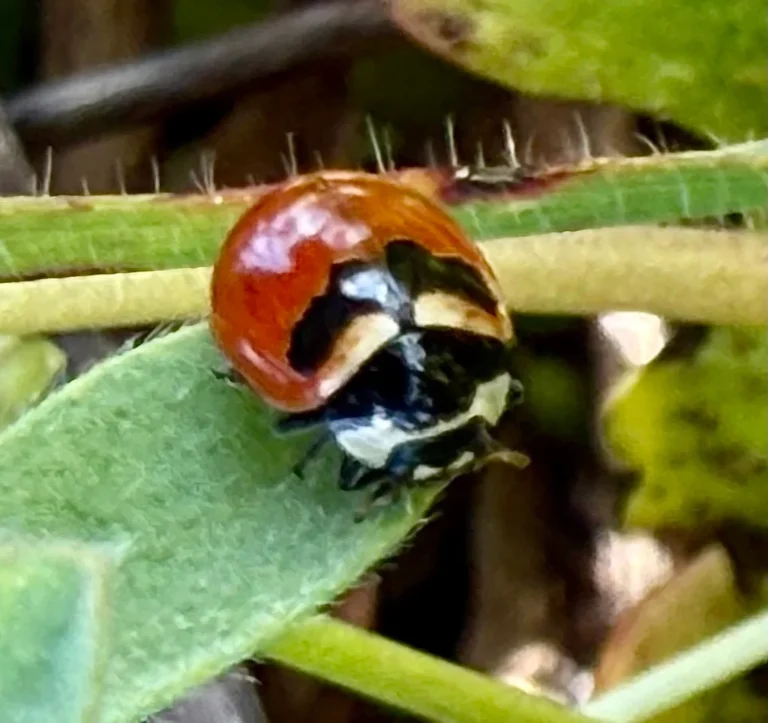
Some flowers work wonders by acting as beacons for beneficial insects. These aren't just pollinators, though they're great too, but predatory insects like Ladybugs, Lacewings, and parasitic wasps. These helpful bugs feast on common garden pests like aphids, spider mites, and whiteflies, keeping their populations in check.
Many flowers provide nectar and pollen, which serve as essential food sources for these beneficial insects, making your garden an irresistible habitat for them. For example, research suggests that a diverse range of flowering plants increases the presence of natural enemies of pests, as confirmed by studies on Integrated Pest Management (IPM) as recently as 2023.
Repelling Unwanted Guests with Scent and Chemistry
Other flowers are true sentinels, emitting strong aromatic compounds that pests absolutely hate. These natural chemicals, often found in the leaves or flowers themselves, confuse pests, mask the scent of your vegetable crops, or simply drive them away. Think of it as a natural invisible fence around your garden.
For instance, certain compounds like pyrethrin, found in some chrysanthemums, are natural insecticides that deter or even kill insects. Other flowers release limonene or citronellol, chemicals that many pests find highly offensive. These plant-derived defenses offer a powerful, non-toxic alternative to synthetic pesticides.
Marigolds: Your Garden's Golden Shield Against Nematodes and More
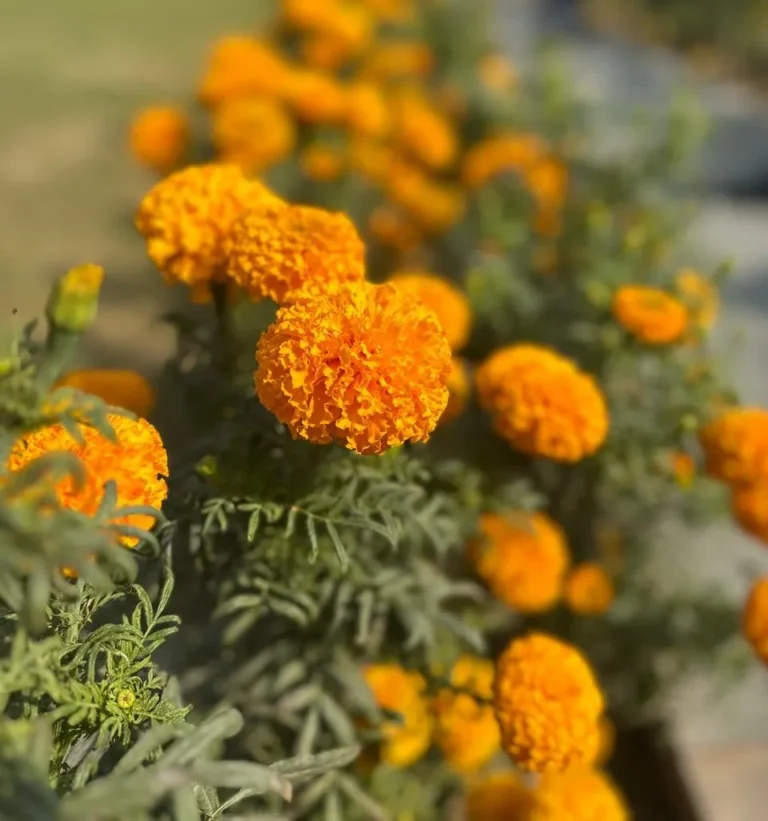
Marigolds are perhaps the most famous pest-repelling flower, and for good reason. These cheerful, vibrant blooms aren't just pretty; they're incredibly effective workhorses in the vegetable garden. Different varieties offer distinct benefits, so choosing the right one for your specific needs is key.
Our research indicates that marigolds, especially French Marigolds, are exceptional at tackling specific soil-borne issues that can severely damage vegetable roots. They're a classic for a reason, showing consistent performance in studies on natural pest deterrence.
French Marigolds (Tagetes patula) for Root-Knot Nematodes
If you've ever dealt with plants showing stunted growth, yellowing leaves, or poor yields despite good care, root-knot nematodes might be the culprit. These microscopic soil worms attack plant roots, causing galls and hindering nutrient uptake. French Marigolds (scientific name: Tagetes patula) are renowned for their ability to combat these nematodes.
They release compounds from their roots that are toxic to these pests, effectively clearing the soil over time. Planting them densely for a full season, and even tilling them into the soil afterwards, can significantly reduce nematode populations for future crops. This makes them particularly valuable in areas where root-knot nematodes are a recurring problem.
African Marigolds (Tagetes erecta) for Broader Pest Deterrence
African Marigolds (Tagetes erecta) offer a slightly different set of benefits. While less potent against root-knot nematodes than their French cousins, they are excellent general pest deterrents above ground. Their strong, distinctive scent can repel a variety of common pests, including whiteflies, squash bugs, and even some types of beetles.
Their larger size and more robust growth habit also make them good companion plants, providing some physical barriers or shade for smaller vegetables. Just remember, the stronger the scent, often the better the deterrent effect, and African marigolds certainly deliver on that front.
Nasturtiums: The Trap Crop That Doubles as a Delight
Nasturtiums (Tropaeolum majus) are truly versatile plants, offering both beauty and utility in the vegetable garden. They're particularly famous for their role as a 'trap crop.' This means they're so appealing to certain pests that the pests choose the nasturtiums over your prized vegetables.
They're not just sacrificial lambs, though; their vibrant, edible flowers and peppery leaves are a delicious addition to salads. Our analysis of organic gardening practices frequently highlights nasturtiums as a go-to for drawing pests away from more valuable crops.
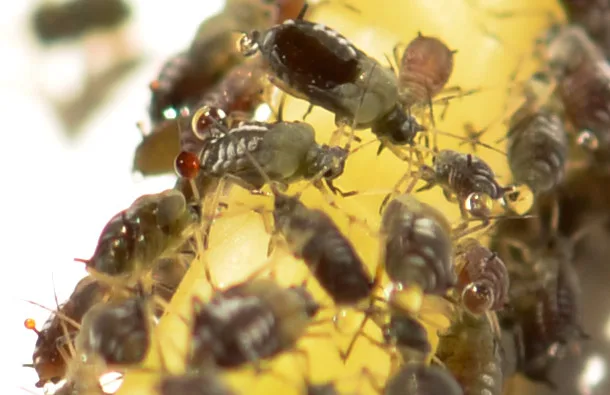
Image source: Wikimedia Commons / Lamiot (CC BY-SA)
So, how do they work? Pests like aphids and cabbage worms find nasturtiums absolutely irresistible. Instead of landing on your broccoli or beans, they'll congregate on the nasturtium leaves. You can then simply remove and dispose of the infested nasturtium plants, taking the pests with them.
It's a clever way to concentrate pest populations in one easy-to-manage spot. Just make sure to plant enough nasturtiums to handle the pest load, keeping them a little distance from your main crop to ensure the pests don't just jump over.
Calendula (Pot Marigold): A Simple Beauty for Aphid Patrol
Don't confuse Calendula (Calendula officinalis) with the Marigolds we discussed earlier, though they share a common name. Calendula, often called 'Pot Marigold,' is a cheerful, daisy-like flower that's fantastic for attracting beneficial insects, especially those that prey on aphids.
Aggregate gardener reviews consistently praise Calendula for its ability to bring in the good guys. Its bright orange and yellow petals are a beacon for ladybugs, lacewings, and hoverflies, all of whom are voracious aphid eaters.
By planting Calendula near your aphid-prone crops, like brassicas or lettuce, you create a vibrant ecosystem where natural predators can thrive. These beneficials will then patrol your vegetables, significantly reducing aphid populations without you lifting a finger or reaching for a spray bottle. Plus, the petals are edible and add a beautiful splash of color to salads.
Chrysanthemums: The Natural Pyrethrin Powerhouse Against Tough Pests
When we talk about serious pest deterrence, Chrysanthemums (often called 'mums') deserve a special mention. Specifically, the species Chrysanthemum cinerariifolium, also known as the Pyrethrum daisy, is the source of a powerful natural insecticide called pyrethrin. This compound is used in many organic pest control sprays, but you can get its benefits directly from the plant.
These flowers naturally produce compounds that are toxic to many insects, including aphids, spider mites, leafhoppers, and even some types of beetles. Planting Pyrethrum daisies nearby can create a protective zone, effectively discouraging these pests from settling on your vegetables. Just be mindful that while natural, pyrethrin can affect beneficial insects too, so careful placement is wise.
Lavender: Sweet Scents to Deter Deer, Rabbits, and Some Insects
Lavender (Lavandula) is cherished for its calming aroma and beautiful purple blooms, but its strong scent is a deterrent to a surprising range of garden nuisances. While it won't single-handedly eliminate an aphid infestation, it's excellent at keeping larger pests like deer and rabbits out of your vegetable patches. Many insects also find the smell off-putting.
The oils in lavender repel certain moths, fleas, and even some types of flies. Planting a border of lavender around your vegetable beds can create a fragrant barrier that makes your delicious greens less appealing to browsing animals and a few common flying insects. Plus, it's a fantastic pollinator attractor, especially for bees, adding to the overall health of your garden ecosystem.
Basil: More Than a Herb, It's a Fly and Mosquito Protector
Basil (Ocimum basilicum) is a staple in many kitchens, but don't underestimate its power in the garden. This aromatic herb is a surprisingly effective pest repellent, particularly against flies and mosquitoes. Research has shown that the volatile compounds in basil, like estragole and linalool, are responsible for its insect-repelling properties.
Planting basil near your tomatoes is a classic companion planting strategy, believed to improve tomato flavor and deter hornworms. It's also great near doorways or patio areas to keep those annoying flying insects away from your outdoor living space. Consider different basil varieties, like sweet basil or lemon basil, as they all bring their unique repellent profiles.
Borage: Attracting Pollinators and Confusing Hornworms
Borage (Borago officinalis) is a fantastic, often underutilized, annual herb known for its beautiful star-shaped blue flowers. It's a powerhouse for attracting beneficial insects, particularly bees and parasitic wasps. These wasps are invaluable in the garden because they lay their eggs inside destructive pests like tomato hornworms and cabbage worms, effectively eliminating them.
As a companion plant, borage is particularly famous for its positive effects on tomatoes, squashes, and strawberries. It's thought to confuse or deter hornworms, potentially through its prickly leaves or by enhancing the presence of their natural enemies. Additionally, borage is a dynamic accumulator, meaning its deep taproot brings up minerals from the soil, improving soil health when the plant eventually breaks down.
Alliums (Chives, Garlic, Onions): The Pungent Solution for Sap-Sucking Pests
The Allium family, which includes chives, garlic, and onions (Allium schoenoprasum, Allium sativum, Allium cepa respectively), are potent pest deterrents due to their strong, sulfurous compounds. These compounds are a significant turn-off for many sap-sucking insects that plague vegetable gardens. When we analyze effective natural repellents, Alliums consistently rank high for their broad-spectrum action.
They're especially effective against aphids, carrot rust flies, slugs, and Japanese beetles. Planting chives around rose bushes or carrots can help deter common pests, while garlic and onions interplanted with brassicas can ward off cabbage worms and other leaf-eating insects. Their strong aroma essentially "confuses" pests, making it harder for them to locate their target plants.
Side-by-Side: Choosing the Right Pest-Repelling Flowers for Your Garden
Deciding which pest-repelling flowers to plant can feel a bit overwhelming with so many great options. To make things easier, let's look at a quick comparison to help you match the right flower to your garden's specific needs. We've compiled key features and primary targets for each discussed flower, so you can see their strengths at a glance.
This table aims to simplify your decision, letting you quickly assess which plants offer the best defense against your most persistent garden invaders. Remember, many of these flowers offer multiple benefits, making them even more valuable.
| Flower Name | Primary Pest Target | Secondary Benefits | Growth Habit & Lifespan | Key Considerations |
|---|---|---|---|---|
| French Marigold | Root-knot nematodes | General deterrence, soil health | Annual, low-growing | Plant densely for nematode control. |
| African Marigold | Whiteflies, squash bugs | General deterrence | Annual, taller/bushier | Strong scent, good visual barrier. |
| Nasturtium | Aphids, cabbage worms | Trap crop, edible flowers/leaves | Annual, trailing/bushy | Monitor for pest buildup, remove infested plants. |
| Calendula | Aphids | Attracts beneficials, edible petals | Annual/short-lived perennial | Reseeds easily. |
| Chrysanthemum | Aphids, spider mites | Natural pyrethrin | Perennial | Specific species (C. cinerariifolium) for pyrethrin. |
| Lavender | Deer, rabbits, some flies | Pollinator attractor | Perennial, woody | Drought-tolerant once established. |
| Basil | Flies, mosquitoes, hornworms | Edible herb, enhances tomato flavor | Annual | Plant near tomatoes, containers work well. |
| Borage | Hornworms, cabbage worms | Attracts beneficials, soil miner | Annual | Can self-seed vigorously, edible flowers/leaves. |
| Alliums (Chives, etc.) | Aphids, slugs, carrot rust fly | Edible, general pest confusion | Perennial | Pungent scent deters many pests. |
Picking the Perfect Flower for Your Specific Pest Problem
Choosing the best pest-repelling flower really boils down to identifying your main adversaries and understanding your garden's conditions. There's no single "best" flower, but rather the best choice for your particular situation. Think about which pests are giving you the most grief in your vegetable patch right now.
Once you know your enemy, you can pick a targeted solution from our list. We'll break down the best choices for common garden dilemmas, helping you tailor your floral defense.
Best for Aphids, Whiteflies, and Spider Mites
For these tiny, sap-sucking pests, your best bet is a multi-pronged approach combining attractants for beneficials and direct repellents. Calendula and Nasturtiums are excellent for drawing aphids away, acting as trap crops, and bringing in predatory insects like ladybugs. Chrysanthemums, especially the Pyrethrum daisy, offer a stronger repellent and insecticidal action against a broader range of sap-suckers and mites.