Guide to Nitrogen Fixing Companion Plants for Poor Soil
Feeling frustrated by garden beds that just won't thrive? If you've ever looked at your struggling plants and wondered why they aren't greener or more robust, the culprit might just be your soil. Many gardeners face the challenge of poor soil, lacking essential nutrients like nitrogen, which is crucial for healthy plant growth. Luckily, nitrogen fixing companion plants for poor soil offer a fantastic, natural solution.
These incredible plants work hand-in-hand with microbes to enrich your garden, transforming even the most depleted patches into fertile ground. We're talking about a measurable improvement in soil quality; research from university extension programs often shows that properly managed cover crops can increase soil organic matter by 0.1-0.3% annually. Let's dive into why your poor soil needs this helping hand and how these plants make a real difference.
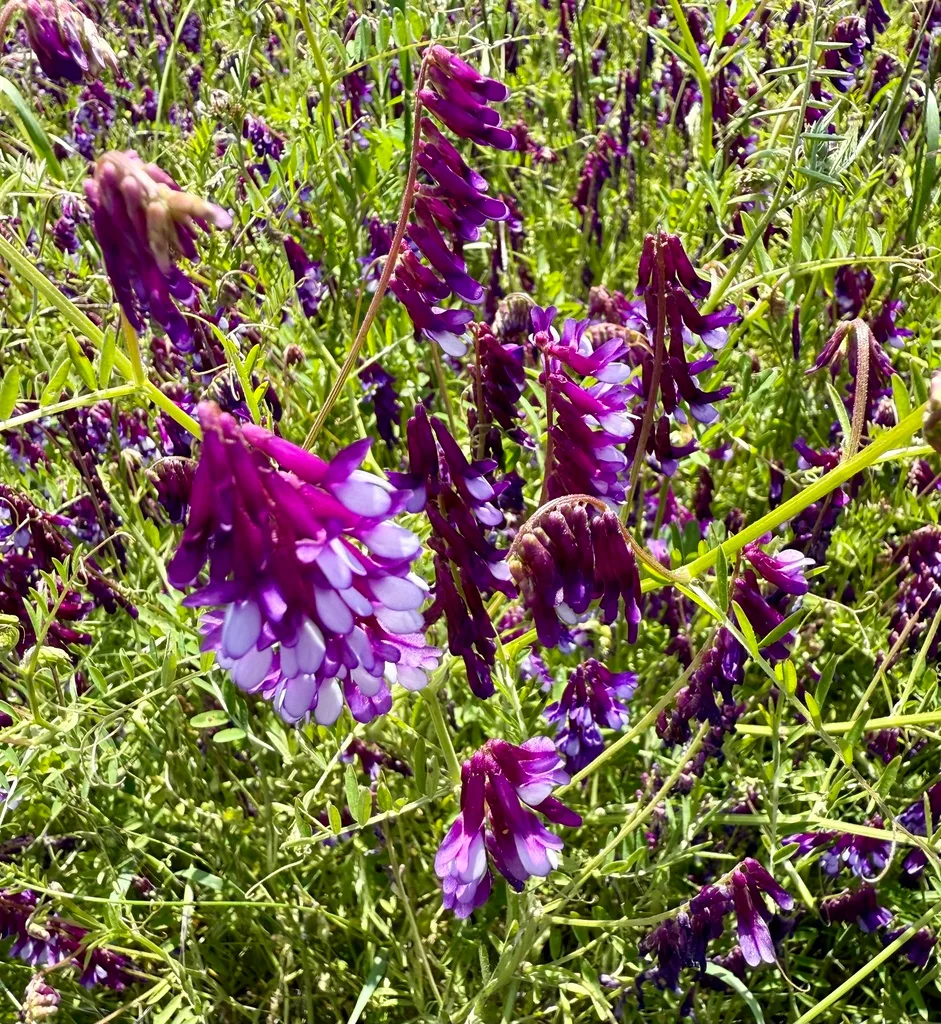
Image source: iNaturalist / Irene
Why "Poor Soil" Needs a Helping Hand
Poor soil isn't just about dirt that looks tired; it's soil that struggles to support vigorous plant life. Often, it's low in essential nutrients like nitrogen, has poor structure, or lacks sufficient organic matter. Imagine trying to build a house without proper bricks or mortar, that's what your plants are doing in nutrient-poor conditions. They're missing the fundamental building blocks they need to flourish.
When your soil is compacted, sandy, or heavy clay, it can't hold onto water and nutrients effectively. This leads to issues like nutrient leaching, where vital elements wash away before plants can absorb them, and poor root development. Nitrogen-fixing plants act like nature's own fertility boosters, directly addressing these foundational problems by improving the soil from the ground up.
The Magic of Nitrogen Fixation: How It Works
The magic really happens thanks to a special partnership between certain plants, primarily legumes, and tiny soil dwellers called Rhizobia bacteria. These bacteria take nitrogen gas directly from the air, a form plants can't use, and convert it into a usable form, like ammonium. This process is called symbiotic nitrogen fixation. It's a natural, chemical-free way to fertilize your soil.
The Rhizobia bacteria live in little nodules on the plant's roots, getting sugars from the plant in exchange for nitrogen. When the nitrogen-fixing plant eventually dies and breaks down, or when you "chop and drop" it, that stored nitrogen gets released into the soil. This then becomes available for other plants, significantly boosting overall soil fertility. It's a beautiful, self-sustaining cycle that enriches your entire garden ecosystem.
Your Soil's Story: Understanding Its Needs (The First Step)
Before you pick out any plants, you need to understand your soil's unique "story." Every patch of earth is different, and what works wonders in one garden might not be right for another. Skipping this crucial step is a common mistake that can lead to disappointing results. You wouldn't treat an illness without a diagnosis, and you shouldn't try to fix your soil without knowing what's actually wrong.
Knowing your soil's current condition is the foundation for making smart choices about which nitrogen fixers will truly help. It's about empowering yourself with knowledge, rather than just guessing. This approach saves time, effort, and ensures you're investing in the right solutions for your specific garden challenges.
What to Look For: Signs of Poor Soil
You can often spot signs of poor soil just by looking and feeling it. If your soil is sandy, it might drain too quickly, feeling gritty and loose between your fingers. Clay soil, on the other hand, can be dense, sticky when wet, and form hard clods when dry, making it difficult for roots to penetrate. Stunted plant growth, yellowing leaves (a common sign of nitrogen deficiency), or frequent drought stress in plants can also point to underlying soil issues.
Beyond texture, consider what else you observe. Is water pooling on the surface after rain, indicating poor drainage? Are weeds like dandelions or plantain thriving, which can sometimes indicate compacted soil? These visual cues give you valuable hints about your soil's health, even before you do a formal test.
Decoding Your Dirt: The Importance of a Soil Test
While visual signs are helpful, a proper soil test gives you the precise data you need. This isn't just a recommendation; it's a critical step. A soil test will tell you your soil's pH level (how acidic or alkaline it is) and the exact amounts of major nutrients like nitrogen, phosphorus, and potassium, plus essential micronutrients. Many university extension services offer affordable soil testing, providing detailed reports and recommendations.
For instance, a typical soil test report might show your pH is 5.5, indicating acidic soil, or 8.0, indicating alkaline soil. It could also reveal very low levels of available nitrogen, perhaps less than 10 ppm. Knowing these numbers allows you to choose nitrogen-fixing plants that thrive in your specific pH range and directly address the nutrient gaps. This targeted approach is far more effective than a trial-and-error method.
Choosing Your Nitrogen-Fixing Allies: A Decision Tree Approach
Now that you know your soil's story, it's time to choose the right nitrogen-fixing allies. This isn't a one-size-fits-all situation; the best plant for your garden depends on your specific soil conditions, climate, and the main crops you're trying to support. Think of this as a decision tree, guiding you down the right path based on what your soil test revealed. We'll walk through common scenarios, helping you pinpoint the best options.
It's all about matching the plant to the problem. Different nitrogen fixers have different tolerances and preferences. Some love acidic soil, while others prefer alkaline. Some are great for breaking up heavy clay, and others excel at stabilizing sandy soil.
Let's explore the branches of our decision tree.
Branch 1: Dealing with Sandy Soil
If your soil test showed you're working with sandy soil, you'll want nitrogen fixers that can thrive in quick-draining, often nutrient-poor conditions. These plants should also ideally add a lot of organic matter to help improve water retention. The goal here is to bulk up the soil's ability to hold onto moisture and nutrients.
Good choices for sandy soil are often those with vigorous root systems that can explore deeper for water and help bind the sand particles together. They'll also contribute significant biomass, which transforms into humus and makes a real difference in soil structure over time. Look for options that tolerate drier conditions once established.
Branch 2: Tackling Heavy Clay Soil
For heavy clay soil, which often drains poorly and compacts easily, you need nitrogen fixers with strong, deep root systems. These plants act as natural rototillers, breaking up the dense soil structure and improving aeration and drainage. The goal here is to introduce organic matter deeply into the soil profile and create channels for water and air.
Plants like alfalfa or sweet clover are excellent choices because their taproots can penetrate deeply into clay. These roots physically disrupt the compaction, making the soil looser and more workable over time. When the plants are eventually tilled under or "chopped and dropped," their decaying roots leave behind a network of tiny tunnels and a rich contribution of organic material.
Branch 3: Improving Acidic Soil
If your soil test showed a pH below 6.0, you've got acidic soil. While some plants prefer this, many common garden vegetables and nitrogen fixers perform best in a slightly acidic to neutral range (pH 6.0-7.0). For acidic soil, you'll want to select nitrogen-fixing plants that are specifically tolerant of lower pH levels. Some plants struggle to form those crucial root nodules in highly acidic conditions.
Crimson clover, lupine, and some varieties of vetch are generally more tolerant of acidic soil than others. They can still form effective symbiotic relationships with Rhizobia bacteria even when the pH is a bit lower. While adding lime can adjust pH, using plants that naturally thrive in acidic conditions can be a simpler, more organic approach for improving nitrogen levels.
Branch 4: Working with Alkaline Soil
On the flip side, if your soil's pH is above 7.0, you're dealing with alkaline soil. This can also be challenging for many plants, as certain nutrients become less available at higher pH levels. Just like with acidic soil, selecting nitrogen fixers that can handle these conditions is key to successful nitrogen fixation. The goal is to choose robust plants that aren't inhibited by the higher pH.
Good options for alkaline soils include alfalfa, sweet clover, and some varieties of fava beans. These plants have a broader pH tolerance range and can still effectively form root nodules with the appropriate Rhizobia strains in more alkaline environments. They contribute both nitrogen and organic matter, helping to buffer the soil over time and make other nutrients more accessible.
Branch 5: Boosting Overall Nutrient-Poor Soil
For general nutrient-poor soil that might not have extreme pH issues but simply lacks vitality, the best approach is to select versatile, fast-growing nitrogen fixers. These plants are excellent at quickly establishing themselves and rapidly producing biomass and fixing nitrogen. This broad category aims to broadly improve fertility and organic matter content.
Many common cover crops fall into this category, working wonders in a wide range of poor soils. They provide a quick and effective boost to soil health, preparing the ground for your main crops. The key here is rapid growth and a significant return of organic material when they are incorporated back into the soil.
Top Nitrogen-Fixing Companion Plants for Common Scenarios
Once you've diagnosed your soil, it's time to meet some of the most effective nitrogen-fixing companion plants out there. We'll break them down by how long they live and their growth habit, making it easier to pick the right one for your specific garden needs and timeline. Think about what you want to achieve short-term versus long-term, and how much space you have.
Annual Powerhouses for Quick Fixes
Annual nitrogen fixers complete their life cycle within one growing season, making them ideal for quick soil improvements between main crops or as an intensive, short-term green manure. They're great if you're looking for a rapid boost in nitrogen and organic matter without a long-term commitment in one spot.
Here are some popular annual options and where they shine:
- Crimson Clover: This fast-growing legume is a beautiful sight and excellent for quickly suppressing weeds. It's often used as a winter cover crop, fixing significant nitrogen, estimated at 70-150 lbs per acre, and adding substantial biomass. Crimson clover does well in a range of soils, including moderately acidic conditions.
- Field Peas (Austrian Winter Peas): These are hardy cool-season annuals that produce a lot of organic matter and fix nitrogen, typically around 50-100 lbs per acre. They have extensive root systems that help break up compacted soil, making them a good choice for clay. Field peas are particularly useful as a fall-planted cover crop.
- Cowpeas: A warm-season annual, cowpeas thrive in hot weather and tolerate poor, sandy soils remarkably well, even with lower moisture. They fix nitrogen efficiently and their sprawling growth habit helps smother weeds. These are fantastic for summer soil improvement in warmer climates.
- Fava Beans: These cool-season annuals grow upright and produce large amounts of organic matter, fixing substantial nitrogen. They're known for their robust growth and ability to work well in heavier soils. Fava beans are also a good choice for suppressing nematodes.
Perennial Workhorses for Long-Term Gains
Perennial nitrogen fixers live for multiple years, offering sustained soil improvement and nitrogen contribution without needing to be replanted annually. These are fantastic for establishing long-term fertility in beds, orchards, or areas where you want continuous ground cover and soil stabilization. They require less disturbance once established.
Consider these perennial options for lasting impact:
- White Clover: A low-growing, spreading perennial, white clover is a classic for good reason. It forms a dense mat, effectively suppressing weeds and tolerating moderate foot traffic. It's excellent for underplanting in orchards or as a living mulch in vegetable beds, fixing nitrogen consistently over many years. White clover adapts to many soil types but prefers a neutral pH.
- Red Clover: Similar to white clover but with a more upright growth, red clover has deeper roots that are great for breaking up compacted soils. It's a fantastic green manure crop and excels at improving heavy clay. Red clover generally fixes more nitrogen than white clover, often in the range of 100-200 lbs per acre.
- Alfalfa: Known for its extremely deep taproots, alfalfa is a powerhouse for breaking up severe compaction and mining nutrients from deep within the soil profile. It's best suited for areas where it won't compete directly with shallow-rooted crops, like in dedicated cover crop plots or along garden edges. Alfalfa prefers well-drained, slightly alkaline to neutral soil.
- Lupine: These beautiful plants, while often grown for their flowers, are also excellent nitrogen fixers, particularly good in acidic and sandy soils where other legumes might struggle. Their deep roots help improve soil structure.
Woody Wonders for Challenging Sites
Sometimes, poor soil is also in tough-to-reach or neglected areas, or you need something more permanent than an herbaceous plant. This is where woody nitrogen fixers, like shrubs and trees, come into play. They're incredible for long-term soil building, erosion control, and creating windbreaks or hedgerows, all while fixing nitrogen.
These plants often tolerate very harsh conditions and can stabilize slopes or improve severely degraded land:
- Autumn Olive (Elaeagnus umbellata): While sometimes considered invasive in certain regions (check local regulations!), Autumn Olive is an incredibly tough shrub that thrives in incredibly poor, disturbed soils. It fixes substantial nitrogen and produces abundant berries for wildlife. Its hardiness makes it a choice for extreme conditions, but its spread needs careful management.
- Sea Buckthorn (Hippophae rhamnoides): A hardy, thorny shrub, Sea Buckthorn fixes nitrogen and tolerates a wide range of poor soils, including sandy and saline conditions. It's excellent for erosion control and produces nutrient-rich berries. This is a robust option for challenging coastal or disturbed areas.
- Alders (Alnus species): Various alder species are small to medium-sized trees that are well-known nitrogen fixers. They're often found in riparian zones but many types tolerate poor, wet, or disturbed soils. Alders are fantastic for reclaiming degraded land and can establish quickly, providing shade and wind protection while enriching the soil below.
How to Integrate Nitrogen Fixers into Your Garden
Integrating nitrogen-fixing plants effectively isn't just about throwing seeds on the ground; it's a strategic process. Getting the timing, placement, and preparation right will maximize their benefits for your main crops and overall soil health. Think about these plants as active partners in your garden, not just passive additions.
The goal is to leverage their natural abilities to improve your soil and support your desired plants, without letting them outcompete for resources. This takes a bit of planning, but the payoff in healthier soil and more vibrant plants is absolutely worth it. Let's break down the practical steps to bring these allies into your garden.
Seed Selection and Inoculation
Choosing the right seeds is the first step, ensuring they are suited to your climate (USDA Plant Hardiness Zones are a good guide) and specific soil conditions as determined by your soil test. Once you have your seeds, especially for legumes, seed inoculation is incredibly important. This means treating the seeds with a specific strain of Rhizobia bacteria that forms the symbiotic relationship.
Most garden centers and seed suppliers offer inoculants, often as a powdered coating for the seeds. This ensures that the right bacteria are present in the soil to form the nitrogen-fixing nodules. Without proper inoculation, even the best nitrogen-fixing plants won't perform optimally, especially if your soil hasn't grown that specific legume before.
Planting Your New Soil Helpers
How you plant your nitrogen fixers depends on their growth habit and your garden layout. For cover crops like clover or field peas, you'll often broadcast seeds over a prepared bed and lightly rake them in. Ensure good seed-to-soil contact for optimal germination. For bushier plants or small shrubs, you might sow seeds in rows or plant transplants directly into the soil.
Follow seed packet recommendations for planting depth and spacing; this typically ranges from 1/4 inch to 1 inch deep for most legume seeds. Adequate moisture is crucial during the initial germination and establishment phase. If planting in dry soil, ensure consistent watering until seedlings are well-rooted, especially in sandy or very poor soils.