Guide to Companion Planting With Native Wildflowers in 2026
Ever wished your garden could practically take care of itself, thriving with less fuss and fewer chemicals? That's exactly the promise of companion planting with native wildflowers. It's a natural approach that harnesses the power of local ecosystems to support your cultivated plants, turning your patch of earth into a buzzing, balanced haven. Think of it as inviting nature's little helpers right into your backyard.
This method isn't just a gardening trend, it's backed by ecological principles. For instance, research from the Xerces Society, a leading invertebrate conservation organization, consistently shows that increasing native plant diversity can dramatically boost beneficial insect populations. We're talking about a significant reduction in common garden pests and a surge in vital pollinators, all by making smart planting choices. So, let's dive into how you can start building a smarter, more sustainable garden today.
Quick Insight: Why Native Wildflowers Are Your Garden's Best Friends
Native wildflowers aren't just pretty faces; they're the workhorses of a healthy ecosystem. Unlike non-native ornamentals, native plants have evolved alongside local insects, fungi, and wildlife for thousands of years. This deep, interconnected history means they're perfectly adapted to your specific climate and soil conditions, and they provide precisely what local beneficial insects and pollinators need for survival. They essentially offer a ready-made support system for your garden.
When you bring native wildflowers into your garden, you're not just planting flowers, you're planting solutions. They help attract natural pest predators, improve soil structure, reduce the need for extra watering, and dramatically increase biodiversity. It's like flipping a switch to activate your garden's natural defense and support systems, making it more resilient and productive with less effort on your part.
Core Explanation: How Companion Planting with Natives Actually Works
Companion planting with native wildflowers is all about creating beneficial relationships between different plants in your garden. It’s not just about what you plant, but how those plants interact to create a healthier, more vibrant growing space. This natural synergy can address a lot of common gardening headaches.
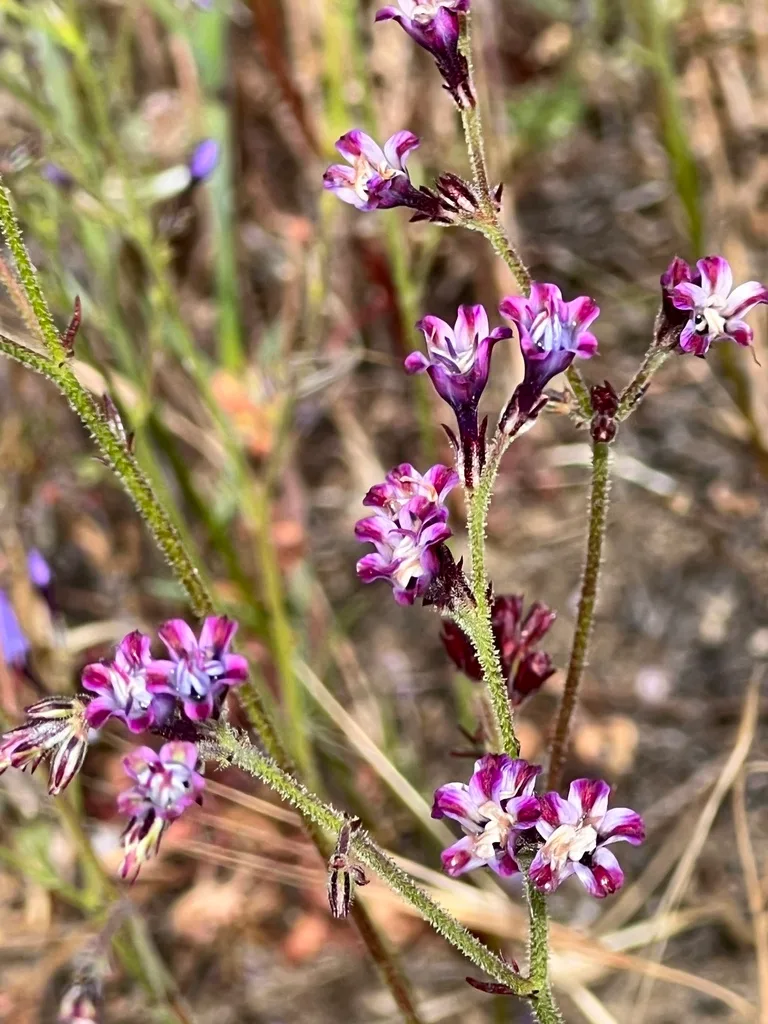
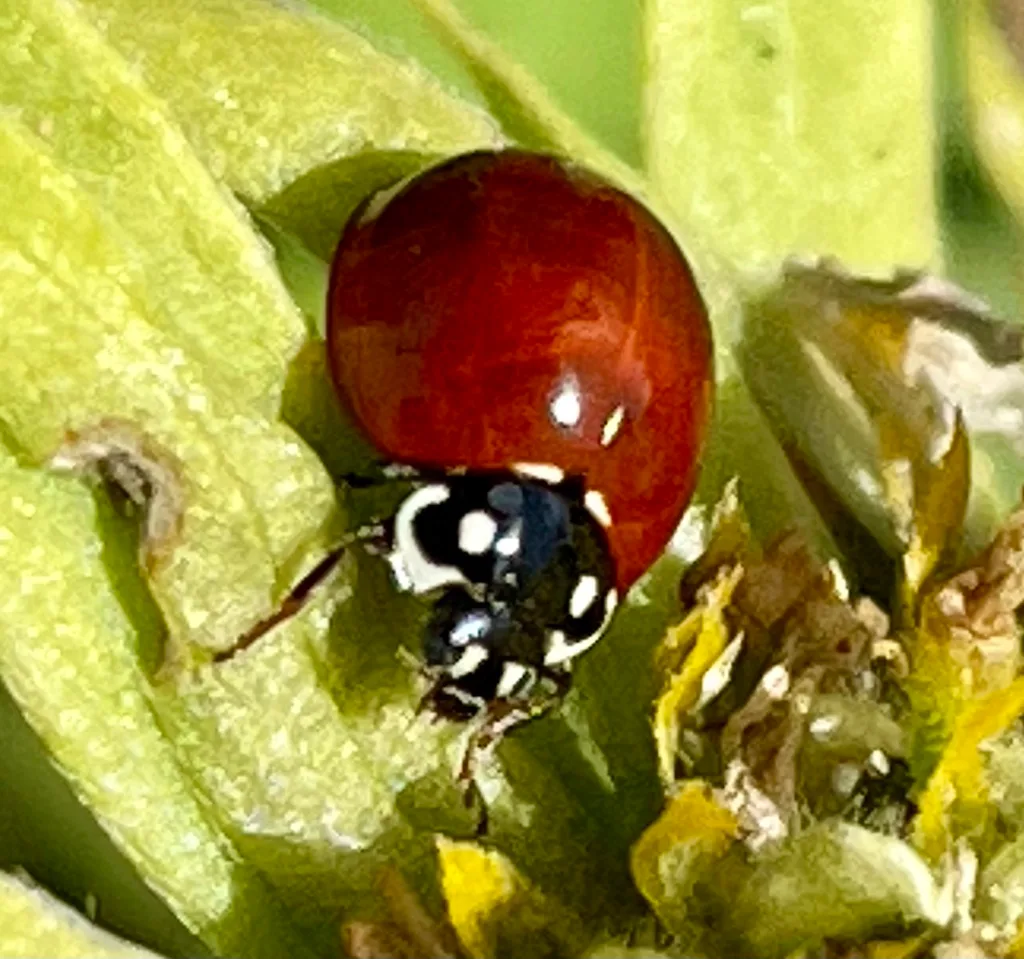
At its heart, it relies on a few key ecological principles. Certain native wildflowers excel at attracting specific beneficial insects, like ladybugs that feast on aphids, or parasitic wasps that target caterpillars. Others might have root systems that improve soil structure, or they could release natural compounds (allelochemicals) that deter pests or support nearby plants. It’s like having a tiny, bustling city of helpers working tirelessly in your garden.
The Ecosystem Services of Native Wildflowers
Native wildflowers provide invaluable "ecosystem services" right in your garden. Think of these as jobs that nature does for free. For instance, many native plants offer essential nectar and pollen for pollinators such as native bees, butterflies, and even hummingbirds. These pollinators are crucial for the reproduction of many food crops, including tomatoes, squash, and berries.
Without them, your harvest would be much smaller, if it even happened at all.
Beyond pollination, some natives are host plants for butterfly and moth larvae, meaning they provide food for the caterpillar stage. Others have deep root systems that break up compacted soil, improving water infiltration and nutrient cycling. It's a comprehensive approach that nurtures the entire garden environment, not just individual plants.
The Science Behind Natural Pest Control and Pollination
The scientific magic of companion planting often boils down to chemistry and ecology. Many native wildflowers produce aromatic compounds that either confuse pests, making it harder for them to find your prize crops, or strongly attract beneficial insects. For example, some plants emit volatile organic compounds that signal a feast to predators like lacewings or hoverflies, which then gobble up aphids and other soft-bodied pests.
Pollination, on the other hand, is a numbers game. The more diverse and abundant the native wildflowers, the more consistent and varied the food sources for pollinators. This leads to more frequent visits to your flowering crops, boosting your yields. As of 2026, maintaining robust pollinator populations is more critical than ever due to declining insect numbers, making native wildflower companions a vital tool for sustainable gardening.
Benefits & Advantages: What You Gain from Native Wildflower Companions
Incorporating native wildflowers into your garden isn't just about doing a good deed for nature, it brings a whole host of tangible benefits directly to you and your plants. You'll likely see a healthier, more vibrant garden with less effort and fewer problematic issues over time. It’s a real win-win situation.
Boosting Pollinator Populations
One of the biggest advantages is a noticeable surge in pollinators. Native wildflowers provide vital food sources (nectar and pollen) and sometimes even nesting sites for a wide array of bees, butterflies, moths, and other beneficial creatures. When these pollinators are abundant, they naturally visit your vegetable and fruit plants more often, leading to better fruit set and higher yields. We're talking more tomatoes, larger berries, and more abundant squash.
Natural Pest Suppression
Say goodbye to reaching for chemical sprays. Many native wildflowers act as "bankers" for beneficial insects that prey on or parasitize common garden pests. Think of native plants like coneflowers, asters, or goldenrods as five-star hotels for ladybugs, lacewings, and tiny parasitic wasps. These helpful insects then patrol your garden, keeping aphid, caterpillar, and other pest populations in check naturally.
It's integrated pest management at its finest.
Improving Soil Health and Water Conservation
Native plants are perfectly adapted to your local soil and climate. Many have deep, fibrous root systems that do wonders for soil structure. They break up compacted earth, improve drainage, and help rainwater penetrate deeper into the soil, reducing runoff. This naturally leads to better water conservation and less need for supplemental irrigation once the plants are established.
Plus, healthy soil makes for healthier, more resilient crops.
Creating a Resilient, Low-Maintenance Garden
Because native wildflowers are accustomed to your local conditions, they generally require less intervention once established. They're more resistant to local pests and diseases, and they've evolved to thrive on natural rainfall without extra fertilizers. This means less watering, less fertilizing, and less pest fighting for you. Your garden becomes a more self-sufficient, resilient ecosystem, saving you time and money in the long run.
Decision Time: Choosing the Right Native Wildflowers for Your Garden
Deciding which native wildflowers to use for companion planting isn't a one-size-fits-all situation. What works wonders in a sunny, dry patch of California might fail in a moist, shady corner of Florida. The key is to make informed choices based on your specific garden's unique conditions and your personal gardening goals. This isn't just picking pretty flowers, it's about strategic ecological placement.
It's a workflow process, really. You'll need to assess what you've got, what you want to achieve, and what plants are truly native to your specific area. Don't worry, it's simpler than it sounds, and we'll walk through the steps together. This structured approach helps ensure your efforts pay off, leading to a thriving and balanced garden ecosystem tailored just for you.
Step 1: Assess Your Site – Sun, Soil, and Moisture
Before you buy a single seed or plant, take a good look at your garden. This initial assessment is crucial.
- Sunlight: How much sun does the area get each day?
- Full sun: 6+ hours of direct sunlight.
- Partial sun/shade: 3-6 hours of direct sun, or dappled sun all day.
- Full shade: Less than 3 hours of direct sun.
- Soil Type: What kind of soil do you have?
- Is it sandy, draining quickly?
- Is it heavy clay, holding water?
- Is it rich, loamy, and well-draining? A simple soil test can give you a lot of information about its pH and nutrient content.
- Moisture Levels: How wet or dry does the area stay?
- Is it consistently moist, like a low spot or near a downspout?
- Does it dry out quickly after rain?
- Is it somewhere in between?
Knowing these factors helps you choose native wildflowers that will truly thrive, rather than struggle. Planting a sun-loving species in deep shade is a recipe for disappointment, no matter how good its companion planting benefits might be.
Step 2: Identify Your Gardening Goals – Pests, Pollinators, or Both?
What are you hoping to achieve with your native wildflower companions? Being clear about your goals helps narrow down your plant choices.
- Pest Control Focus: Are you battling specific pests like aphids, squash bugs, or tomato hornworms? Research which native wildflowers attract the natural predators or parasites of those specific pests. For example, some native plants in the carrot family (like various native dill or Queen Anne's Lace relatives) are excellent at attracting tiny parasitic wasps that target aphids.
- Pollinator Attraction Focus: Do you want to bring in more bees, butterflies, or hummingbirds to boost fruit set or simply enjoy the wildlife? Look for natives that provide abundant nectar and pollen, and ensure you have a succession of blooms throughout the growing season. Think about host plants for specific butterfly larvae if you want to support their full life cycle.
- Soil Improvement Focus: Are you trying to loosen compacted soil, reduce erosion, or add nutrients? Consider native plants with deep taproots or those known for nitrogen fixation.
You might have multiple goals, and that's perfectly fine! Many native wildflowers offer benefits across several categories.
Step 3: Research Your Local Native Plant List and Ecoregion
This step is absolutely critical. "Native" isn't a generic term, it's highly specific to your geographic location and ecoregion. A plant native to Florida isn't native to Montana, and planting it could even make it invasive in the wrong context.
- State Cooperative Extension Services: Your state's university extension office is an invaluable resource. They typically have detailed lists of native plants suitable for your specific county or region, along with guidance on growing them.
- Native Plant Societies: Many states and local areas have native plant societies. These organizations are often run by passionate volunteers with deep local knowledge and can offer plant lists, workshops, and even plant sales.
- Botanical Gardens and Arboreta: Local botanical gardens often feature native plant sections and can be great places to see plants in person and ask experts for advice.
- USDA Hardiness Zones and Ecoregions: While hardiness zones tell you about temperature, understanding your ecoregion (a distinct ecological area defined by its flora, fauna, climate, and geology) provides even deeper insight into which plants are truly native and adapted.
Focus on sourcing plants that are genuinely native to your specific area. This ensures they'll thrive and provide the most robust ecological benefits.
Step-by-Step Workflow: Designing Your Native Wildflower Companion Garden
Okay, you've done your homework, you know your site, your goals, and your local native plants. Now comes the exciting part: putting it all together! Designing a native wildflower companion garden is a bit like putting together a puzzle, but a very forgiving one. We'll walk through the practical steps to get your garden humming with activity and health.
Picking Your Main Crops or Focus Plants
First, identify the plants you want to protect or support. These are usually your main vegetable crops (tomatoes, peppers, squash, beans, corn, lettuce), culinary herbs, or perhaps specific fruit bushes. Where are these plants located? What are their needs for sun, water, and soil?
These "target" plants will guide your companion choices.
For example, if you're growing squash, which is susceptible to squash vine borers and cucumber beetles, your companion choices will be different than if you're mainly focused on attracting more pollinators to your tomatoes. Your main crop dictates the problem you're trying to solve or the benefit you're trying to enhance.
Selecting Companion Wildflowers Based on Your Goals and Site
Now, using your research from Step 3, start matching native wildflowers to your main crops and site conditions.
- Pest Repellents/Attractants: If you need pest control, look for natives known to repel specific pests (e.g., strong aromatic herbs) or attract their natural enemies (e.g., plants with small flowers that provide nectar for tiny parasitic wasps, like native goldenrods or asters).
- Pollinator Magnets: If pollination is key, choose natives with a diversity of bloom times (early, mid, late season) to provide a continuous food source. Consider a mix of flower shapes and sizes to appeal to various pollinators.
- Soil Improvers: For compacted areas, consider natives with deep taproots that can break up heavy soil.
Remember to choose plants that share similar needs with your main crops in terms of sunlight, soil moisture, and pH. A full-sun native won't do much good planted under a dense canopy of corn.
Laying Out Your Companion Planting Design
This is where you start to visualize your garden. You don't need a formal blueprint, but a rough sketch can help.
- Borders & Edges: Many companion planting designs place wildflowers around the perimeter of vegetable beds or along pathways. This creates a "buffer zone" and provides easy access for beneficial insects.
- Interplanting: For smaller areas or more intensive gardening, you can intersperse native wildflowers directly among your vegetable plants. Just make sure the wildflowers won't outcompete your crops for light or nutrients, especially if they're aggressive growers.
- Clumps vs. Rows: Planting wildflowers in small clumps or drifts tends to be more effective than single isolated plants. Clumps create a stronger visual and olfactory signal for beneficial insects.
Think about mature plant sizes. Give everything enough space to grow without overshadowing or strangling its neighbors.
Preparing Your Soil for Success
Good soil is the foundation of any thriving garden, especially one relying on native plants.
- Minimize Disturbance: Native plants often prefer less tilled soil. If you're converting an existing garden bed, work in compost to improve structure. For new beds, consider a "no-dig" approach with layers of cardboard, compost, and topsoil.
- Soil Test (Optional but Recommended): If you haven't done one, a soil test can give you valuable data on pH and nutrient levels. Most native plants are quite adaptable, but extreme pH can be a problem.
- Weed Control: Clear the planting area of perennial weeds before planting. This gives your native wildflowers a much better chance to establish without fierce competition.
Remember, native plants generally don't need rich, heavily fertilized soil. They're adapted to your local conditions, which are often less "perfect" than what cultivated vegetables prefer.
Planting Your Natives and Companions
Whether you're direct seeding or transplanting, timing and technique matter.
- Direct Seeding: Many native wildflowers are best started from seed directly in the garden. Check specific species requirements, as some need cold stratification (a period of cold, moist conditions) to germinate. Sow seeds according to package directions, paying attention to spacing.
- Transplanting: If using nursery plants, dig a hole slightly wider and shallower than the root ball. Gently loosen any circling roots. Place the plant in the hole so the top of the root ball is level with the surrounding soil. Backfill, gently firm the soil, and water thoroughly.
- Watering In: Always water new seeds or transplants immediately after planting. This helps settle the soil and eliminate air pockets.
Patience is key with natives; they might take a season or two to truly establish their robust root systems before putting on a spectacular show above ground.
Mistakes to Avoid When Companion Planting with Natives
Even with the best intentions, it's easy to make a few missteps when you're starting out with native companion planting. Avoiding these common errors can save you a lot of frustration and help ensure your garden thrives. Remember, gardening is always a learning process, and understanding potential pitfalls upfront is a huge advantage.
We're aiming to create a balanced ecosystem, so any action that disrupts that balance can set you back. Thinking ecologically means considering the long-term impact of your choices. Let's look at some things to steer clear of.
Misidentifying Natives vs. Weeds
One of the biggest blunders is confusing a desirable native wildflower seedling with a common weed. Many native plants, especially when young, can look surprisingly similar to species you'd typically pull. If you're not sure, it's safer to let it grow a little longer until you can positively identify it, or consult a local native plant guide.