How to Start a Regenerative Garden at Home: Worth Buying
Starting a regenerative garden at home might feel like a big undertaking, but it’s truly about working with nature, not against it. We're talking about cultivating a thriving ecosystem in your own backyard that produces abundant food while actually improving the environment. It’s a rewarding shift from traditional gardening, moving towards practices that build soil health and biodiversity.
Our research shows that a regenerative approach can increase your garden's drought resilience by up to 30%, which is a huge advantage as of 2026 given changing weather patterns. So, if you're ready to grow better, healthier plants and make a real difference right where you live, let's explore how to make this happen.
Your Journey to a Regenerative Home Garden: Starting Fresh
You want a garden that's not just productive, but vibrant, resilient, and perhaps even helps the planet. That's the core idea behind regenerative gardening. It's an approach that focuses on restoring and enhancing the entire garden ecosystem, rather than simply extracting from it.

Image source: iNaturalist / Irene
This isn't just about growing organic produce, although that's a big part of it. Regenerative gardening goes further, actively building soil health, improving water retention, and fostering a robust ecosystem of beneficial insects and microorganisms. It’s a holistic system, thinking about the garden as a living, interconnected whole.
What Exactly Is Regenerative Gardening (And Why Does It Matter)?
Regenerative gardening is a set of principles and practices designed to restore degraded soils, improve biodiversity, and sequester carbon, all within your garden space. Unlike conventional gardening, which can deplete soil nutrients over time, this method actively builds them up. We focus on enhancing the soil food web, which is the complex community of organisms living in the soil, from bacteria and fungi to worms and insects.
It matters because healthy soil is the foundation of healthy plants, and ultimately, healthy food. When your soil is rich in organic matter and teeming with life, your plants become more resilient to pests and diseases, requiring fewer interventions. Plus, it reduces your environmental footprint by minimizing the need for external inputs like synthetic fertilizers and pesticides.
Key Pillars of Regenerative Gardening
Here are the main ideas that guide a regenerative approach:
- Minimal Soil Disturbance: Avoid tilling, which disrupts soil structure and harms beneficial microorganisms.
- Keep Soil Covered: Use mulches and cover crops to protect the soil from erosion and temperature extremes.
- Increase Plant Diversity: Grow a variety of plants, including different crops, herbs, and flowers, to support diverse life above and below ground.
- Maintain Living Roots: Keep plants growing in the soil for as much of the year as possible, feeding soil microbes.
- Integrate Animals (If Possible): Even small-scale integration, like worm composting, can significantly boost soil fertility.
Is Regenerative Gardening Right for YOUR Home? A Quick Check
Deciding if regenerative gardening is the right path for your home garden depends on your goals and what you're willing to embrace. It's a commitment to a different way of thinking about your outdoor space, but one with significant payoffs. Think about what you hope to achieve.
Perhaps you're tired of constantly fighting pests, or you want to reduce your water bill. Maybe you're concerned about the nutritional quality of your food, or you simply want to feel more connected to nature. If any of these resonate, then regenerative gardening is likely a great fit.
Deciding If It Fits Your Goals
Ask yourself these questions to see if regenerative gardening aligns with your aspirations:
- Do you want to improve your soil's long-term health? This is central to regenerative practices.
- Are you interested in reducing your reliance on chemical inputs? Regenerative gardening minimizes or eliminates these.
- Is conserving water important to you? This method significantly boosts soil water retention.
- Do you want to attract more beneficial wildlife like pollinators and birds? Increased plant diversity does exactly this.
- Are you willing to observe and learn from your garden? Regenerative gardening is an ongoing process of adaptation.
If you answered "yes" to most of these, you're in a great spot to start!
What You'll Need to Get Started
You don't need a huge budget or fancy equipment to begin. What you do need is a willingness to learn and observe.
- Space: Even a small patio with containers can be regenerative.
- Sunlight: Most vegetables need at least 6-8 hours of direct sun.
- Basic Tools: A digging fork, hand trowel, and watering can are good starting points.
- Organic Matter: Access to compost, leaves, or wood chips is invaluable.
- Seeds/Plants: Choose varieties suited to your climate.
Your Garden's Starting Point: A Site Assessment Checklist
Before you dig in, it's crucial to understand your specific garden environment. Think of this as your garden's physical exam. A thorough site assessment helps you make informed decisions, saving you time and effort later on. It’s like mapping out your route before a long journey.
We’ll look at everything from the soil beneath your feet to the sunlight hitting your chosen spot. This initial investigation informs every step you take in creating a truly regenerative system. Don't skip this part, it's the foundation of your success.
Understanding Your Soil: The Foundation
Your soil is the living engine of your garden, so knowing its condition is paramount. This isn't just about what it looks like, but what it's made of and what's living in it.
- Soil Testing: We highly recommend a professional soil test, often available through your local university extension service. This gives you exact data on your soil's pH levels, organic matter percentage, and nutrient deficiencies (like nitrogen, phosphorus, and potassium). For example, a healthy regenerative garden aims for organic matter levels above 5%, while many conventional gardens are below 2%.
- Visual and Manual Inspection: Dig a small hole (about 6-8 inches deep) and grab a handful of soil. Does it feel sandy, silty, or clayey? Does it clump together easily, or fall apart? A healthy soil structure, often called "crumbly," holds together but breaks apart easily. Look for earthworms, a sure sign of a thriving soil food web.
Mapping Sunlight and Water Flow
Sunlight and water are the two most critical elements for plant growth. Understanding how they interact with your garden space prevents common problems down the line.
- Sunlight Mapping: Observe your garden area throughout the day, marking where the sun hits at different times. Full sun areas receive 6+ hours, partial sun gets 3-6, and shade gets less than 3. Most fruiting vegetables need full sun, while leafy greens tolerate partial shade.
- Water Drainage: After a heavy rain, where does water pool? Does your soil drain quickly, or does it stay soggy? Poor drainage can lead to root rot. If water pools, you might need to build raised beds or amend heavily with organic matter to improve soil structure. Consider how you'll collect rainwater, perhaps with a rain barrel, to reduce reliance on municipal water.
Identifying Your Local Climate & Hardiness Zone
Knowing your local climate helps you select plants that will thrive, rather than just survive. This is crucial for building a resilient, low-maintenance regenerative garden.
- USDA Plant Hardiness Zones: These zones tell you which plants are most likely to survive the winter in your location based on average annual minimum winter temperatures. Most seed packets and plant tags include this information. Knowing your zone, for instance, Zone 6a or 9b, helps you choose appropriate species.
- Microclimates: Even within your hardiness zone, your garden can have "microclimates." A spot next to a south-facing wall might be warmer, while a shady corner under a large tree will be cooler and moister. Factor these small differences into your planting plan.
Step-by-Step: Building Your Regenerative Garden Plan
Now that you understand your garden's baseline, it's time to start putting your plan into action. This isn't a rigid blueprint, but a flexible guide that adapts as you learn and observe. The goal here is to gradually implement regenerative practices, building momentum as you go. We'll focus on foundational steps that make the biggest impact early on.
It's tempting to jump straight to planting, but taking the time to prepare your site using these steps will set you up for long-term success. Remember, a regenerative garden is built from the ground up, starting with the very soil itself.
Step 1: Rethink Your Soil – Embrace No-Till
The first, and arguably most important, step in regenerative gardening is minimizing soil disturbance. Tilling, or digging up the soil, breaks apart the delicate soil structure and destroys the fungal networks that are vital for nutrient exchange.
- Why No-Till? Tilling releases carbon into the atmosphere, compacts soil over time, and brings weed seeds to the surface. No-till gardening keeps these valuable soil communities intact, allowing them to flourish and build a resilient soil structure. This improved structure means better water infiltration and aeration for roots.
- Getting Started with No-Till: If you have an existing garden, you can lay down a thick layer of cardboard directly over the area, then add several inches of compost or other organic matter. This "sheet mulching" smothers weeds and kickstarts soil building. For new beds, simply add a deep layer of compost and plant directly into it. Over time, you'll see a noticeable difference in soil texture and earthworm activity.
Step 2: Feed the Soil, Not Just the Plants – The Power of Compost & Mulch
In a regenerative system, we focus on feeding the soil organisms, and they, in turn, feed your plants. Compost and mulch are your two best friends here. They're essential for building soil organic matter, which is the cornerstone of soil health.
- The Magic of Compost: Compost is decomposed organic matter, teeming with beneficial microbes and nutrients. It improves soil structure, water retention, and nutrient availability. You can either buy quality compost or, even better, start your own compost system at home.
- Mulch, Your Soil's Blanket: Mulch is any material laid on top of the soil. It protects the soil from sun and wind, suppresses weeds, conserves moisture, and slowly breaks down to add organic matter. Good mulches include wood chips, straw, shredded leaves, or even old cardboard. Aim for a 2-4 inch layer of mulch to get the best results.
Step 3: Grow a Diverse Ecosystem – Plant Selection & Polyculture
Nature doesn't grow monocultures, so why should we in our gardens? Diversity above ground translates to diversity below ground, creating a more stable and resilient garden ecosystem.
- Polyculture vs. Monoculture: Instead of planting large blocks of a single crop (monoculture), try growing a mix of different plants together (polyculture). This could mean planting carrots next to marigolds, or corn, beans, and squash together in a "Three Sisters" style.
- Benefits of Diversity: Different plants attract different beneficial insects, making it harder for pests to find and feast on their preferred hosts. Diverse root systems also interact with a wider range of soil microbes, drawing up different nutrients and improving overall soil health. Include flowers, herbs, and native plants to maximize benefits for pollinators and local wildlife.
Step 4: Manage Water Wisely – Conservation & Efficiency
Water is a precious resource, and a regenerative garden aims to use it as efficiently as possible. Healthy, organic-rich soil acts like a sponge, holding onto water much better than depleted soil.
- Optimize Soil for Water Retention: The organic matter you build into your soil (through compost and mulch) is your primary tool for water conservation. For every 1% increase in soil organic matter, the soil can hold an additional 20,000 gallons of water per acre. That's a huge saving!
- Smart Watering Techniques: Drip irrigation or soaker hoses deliver water directly to the plant roots, minimizing evaporation. Water deeply and less frequently to encourage roots to grow deeper, making plants more drought-tolerant. Rainwater harvesting, using simple rain barrels, also provides a sustainable water source for your garden.
Step 5: Invite the Good Guys – Natural Pest Management
Forget reaching for synthetic pesticides; a regenerative garden relies on nature's pest control squad. By creating a diverse and healthy ecosystem, you invite beneficial insects that prey on or parasitize common garden pests.
- Attract Beneficial Insects: Plant a variety of flowers, especially those with small blooms like dill, cilantro, or sweet alyssum. These provide nectar and pollen for beneficials like ladybugs, hoverflies, and parasitic wasps, which are natural enemies of aphids and other common pests.
- Healthy Plants Resist Pests: Strong, healthy plants grown in nutrient-rich soil are naturally more resistant to pest attacks. When a plant is struggling, it often sends out signals that attract pests, so focusing on soil health is your first line of defense. Observe your garden regularly; often, a pest problem resolves itself as predators move in.
Key Regenerative Practices in Detail
Moving beyond the basic steps, let's really dig into some of the core regenerative practices that will transform your garden. These aren't just "nice-to-haves"; they're fundamental to building a truly resilient and productive system. Implementing these will accelerate your soil building and biodiversity efforts.
It's about understanding the "why" behind each action, which empowers you to adapt them to your specific needs. You'll find that many of these practices complement each other beautifully, creating a positive feedback loop for your garden's health.
Crafting Your Own Compost System
Starting your own compost system is one of the most impactful things you can do for your regenerative garden. It turns kitchen scraps and yard waste into "black gold," a rich soil amendment that dramatically improves fertility.
- Why Compost? It reduces landfill waste, enriches your soil with essential nutrients, and introduces beneficial microorganisms. You'll reduce or eliminate the need to buy bagged compost.
- Composting Options: You don't need a huge setup. A simple pile in an out-of-the-way corner works, or you can use a contained compost bin or a rotating tumbler for faster results. For smaller spaces, a vermicomposting setup (worm bin) is perfect for kitchen scraps.
- What to Compost: Aim for a mix of "greens" (nitrogen-rich like kitchen scraps, grass clippings) and "browns" (carbon-rich like dry leaves, shredded paper, wood chips). Avoid meat, dairy, oily foods, and diseased plants, as these can attract pests or spread pathogens. Keep it moist, like a wrung-out sponge, and turn it regularly to aerate.
Choosing and Applying Mulch
Mulch is your garden's protective blanket. It’s absolutely critical for maintaining consistent soil moisture and temperature, suppressing weeds, and feeding the soil food web as it breaks down. Don't underestimate its power.
- Benefits of Mulch: It dramatically reduces water evaporation, meaning you water less often. Mulch also stabilizes soil temperature, keeping roots cool in summer and warm in winter. Plus, it smothers most weeds, freeing you from constant weeding. As it decomposes, it adds valuable organic matter, feeding your soil.
- Types of Mulch:
- Wood Chips: Excellent for long-term coverage, breaking down slowly. Great for pathways or around perennial shrubs.
- Straw: Ideal for vegetable beds. It's light, easy to apply, and breaks down relatively quickly, adding organic matter. Ensure it's straw, not hay, which often contains weed seeds.
- Shredded Leaves: Free, abundant, and fantastic for soil. Collect them in autumn and use them as a seasonal mulch.
- Cardboard: A great base layer for sheet mulching, suppressing tough weeds. Remove any tape or labels first.
- How to Apply: Apply a consistent layer of 2-4 inches around plants, keeping it a few inches away from plant stems to prevent rot. Replenish as needed throughout the growing season.
The Magic of Cover Cropping
Cover crops are non-harvested plants grown specifically to benefit the soil. They are a cornerstone of regenerative agriculture, bringing substantial advantages to your home garden. These "green manures" work tirelessly to improve your soil.
- Why Use Cover Crops? They protect bare soil from erosion, suppress weeds, add organic matter when tilled in (or "chopped and dropped" in no-till), and some, like legumes, fix atmospheric nitrogen into the soil. They keep living roots in the ground, nourishing the soil food web.
- Common Cover Crop Types:
- Legumes (e.g., clover, vetch): Excellent nitrogen-fixers, enriching the soil for subsequent crops.
- Grasses (e.g., rye, oats): Produce abundant biomass, adding organic matter and breaking up compacted soil with fibrous roots.
- Broadleafs (e.g., buckwheat, phacelia): Quick-growing, good for weed suppression and attracting pollinators.
- Planting and Termination: Plant cover crops in fall after your main harvest, or in spring before planting. Terminate them (cut them down) before they go to seed, either by chopping them at the base and leaving them as mulch (no-till method) or by lightly incorporating them into the top inch of soil. This timing ensures they don't become weeds themselves.
Designing for Plant Diversity and Companion Planting
Creating a diverse plant community is like building a thriving city for your garden. It brings resilience, beauty, and natural pest control. Think beyond rows of a single vegetable.
- What is Polyculture? Instead of the typical "monoculture" rows, polyculture involves growing multiple plant species together in the same space. This mimics natural ecosystems, where many different plants coexist.
- Benefits of Polyculture:
- Pest Confusion: Pests have a harder time finding their preferred host plants when they are interspersed with other species.
- Beneficial Insect Habitat: A mix of flowering plants provides continuous nectar and pollen for beneficial insects, keeping them in your garden.
- Resource Utilization: Different plants have varying root depths and nutrient requirements, efficiently using available resources in the soil.
- Soil Health: Diverse root exudates feed a broader range of soil microbes.
- Companion Planting: This is a specific form of polyculture where certain plants are grown together because they benefit each other. For example, marigolds are known to deter nematodes around tomatoes, and nasturtiums can act as a trap crop for aphids. Research specific companion pairings for the vegetables you plan to grow.
Common Pitfalls to Avoid When Starting Out
Even with the best intentions, it's easy to stumble when adopting new gardening practices. Knowing these common mistakes upfront can save you frustration and keep your regenerative journey smooth. We've all been there, so don't feel discouraged if something doesn't work perfectly the first time.
The key is to learn from these experiences and adapt your approach. Remember, gardening is a continuous experiment, and regenerative methods are all about observation and subtle adjustments.
- Over-Tilling: The biggest mistake beginners make when transitioning. If you're used to digging, breaking this habit takes effort. Resist the urge to turn over soil, even a little. Focus on top-dressing with compost and mulch instead.
- Lack of Organic Matter: Underestimating the sheer volume of compost and mulch needed is common. Your soil will consume organic matter quickly at first as its biology kicks into gear. Keep feeding it!
- Not Testing Your Soil: Guessing your soil's needs can lead to imbalances. A proper soil test takes the guesswork out and tells you exactly what amendments, if any, are truly required.
- Impatience: Regenerative results aren't instant. Building soil health takes time, often a few seasons. Don't expect perfect soil or zero weeds overnight. Celebrate small improvements, like more earthworms or better water infiltration.
- Ignoring Local Conditions: Trying to apply a blanket approach without considering your specific climate, existing soil, and available sunlight will lead to struggles. Always adapt the principles to your unique site assessment findings.
How to Maintain Your Regenerative Garden for Long-Term Success
Starting a regenerative garden is just the first step; maintaining it over time ensures continued health and productivity. This isn't about constant arduous labor, but rather consistent observation and gentle intervention. Think of it as guiding nature, not controlling it.
Your routine will naturally evolve as your soil biology improves and plants become more established. The aim is to create a self-sustaining system that requires less input from you over the years.
- Continuous Mulching: As your mulch breaks down and feeds the soil, you'll need to replenish it. This might be a seasonal task, adding a fresh layer of wood chips in spring or shredded leaves in autumn. This keeps weeds down and soil temperatures stable.
- Compost Application: Periodically top-dress your garden beds with a thin layer of compost. This could be once or twice a year, providing a nutrient boost and continuing to build your soil's organic matter. You don't need to dig it in; the worms and microbes will do the work.
- Observing Plant Health: Regularly check your plants for any signs of stress, disease, or pest issues. Early detection allows for natural, targeted interventions before problems escalate. Remember, a truly healthy plant is often resistant.
- Water Management: Fine-tune your watering schedule based on rainfall and plant needs. As your soil improves, it will hold water better, so you might find yourself watering less frequently than before.
Your Regenerative Garden Toolkit: Essential Gear
You don't need a shed full of power tools to start a regenerative garden, but a few key hand tools will make your life much easier. We're prioritizing tools that work with the soil rather than against it, aligning with minimal disturbance principles. Think quality over quantity here.
Investing in durable, ergonomic tools means they'll last longer and be a pleasure to use. Here’s what we recommend to get you going.
- Broadfork: This is perhaps the most iconic regenerative gardening tool. It's a large, U-shaped tool with long tines that you push into the soil and rock back to gently lift and aerate, without inverting or mixing soil layers. It relieves compaction without destroying soil structure.
- Digging Fork: A traditional digging fork can also be used for gentle aeration and breaking up stubborn patches, much like a broadfork but on a smaller scale. It's also great for harvesting root crops like potatoes.
- Hand Trowel and Cultivator: For planting seedlings and delicate weeding, a sturdy hand trowel and a small hand cultivator are indispensable. Look for ones with comfortable grips.
- Pruners/Snips: Essential for harvesting, pruning, and managing plant growth. Choose sharp, high-quality bypass pruners.
- Watering Can or Soaker Hose System: For targeted, efficient watering, especially for seedlings or smaller beds.
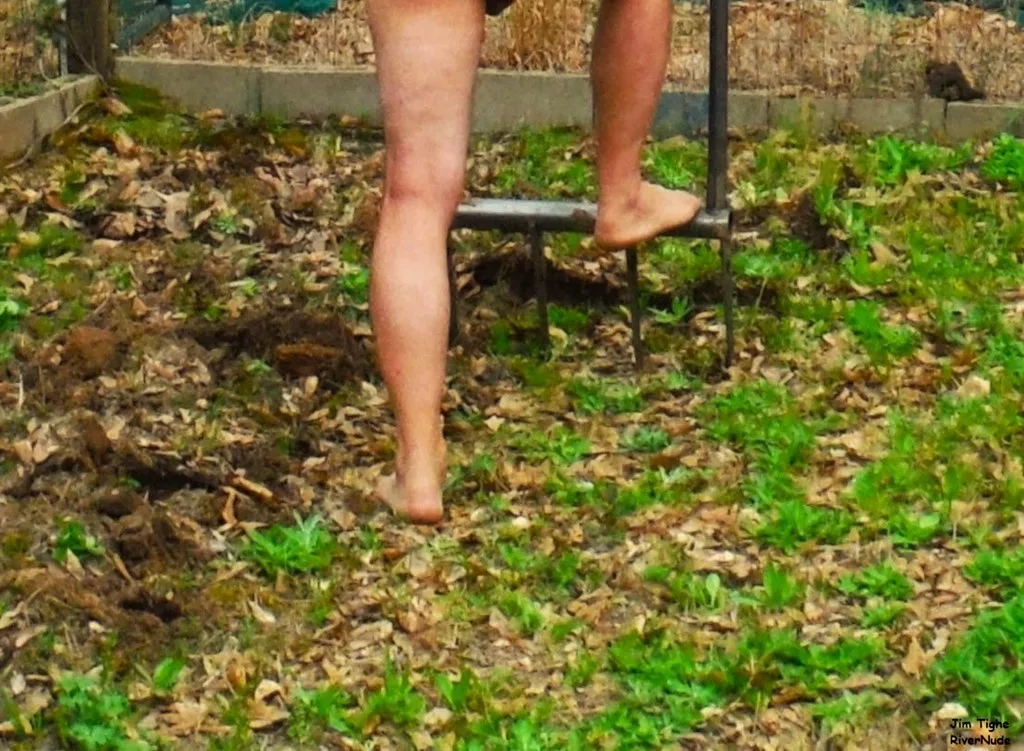
Image source: Openverse / Jim Tighe RiverNude (PDM 1.0)
Regenerative vs. Traditional Organic Gardening: What's the Difference?
While both regenerative and traditional organic gardening strive for healthy, chemical-free growing, they have distinct philosophies and methods. Organic gardening is a fantastic step, but regenerative takes the ecological benefits a significant leap further. It's not just about what you don't do, but what you actively do to enhance the ecosystem.
Think of organic gardening as avoiding harm, and regenerative gardening as actively healing and improving. Understanding this distinction helps you make more informed choices for your garden.
| Feature / Method | Traditional Organic Gardening | Regenerative Gardening |
|---|---|---|
| Soil Focus | Avoids synthetic chemicals; may still rely on tilling; replaces nutrients. | Actively builds soil structure, organic matter, and biodiversity; no-till focus. |
| Tillage | Often uses mechanical tillage for weed control and seedbed prep. | Strictly minimizes or eliminates tillage to protect soil structure. |
| Nutrient Sourcing | Uses approved organic fertilizers and compost. | Primarily relies on compost, cover crops, and nutrient cycling within the soil. |
| Pest & Disease Control | Uses approved organic pesticides/fungicides; beneficial insects. | Focuses on building ecosystem resilience for natural pest control; rarely uses external inputs. |
| Carbon Impact | Neutral to slightly positive. | Actively sequesters carbon in the soil. |
| Biodiversity | Encourages beneficial insects; may be limited by monoculture. | Prioritizes vast plant and microbial diversity; polyculture, native plants. |
FAQs About Starting Your Regenerative Garden
It's natural to have questions when you're exploring a new approach to gardening. We've gathered some of the most common inquiries to help clarify any doubts you might have. Starting something new always comes with a learning curve, and that's perfectly okay.
These answers should give you a clearer picture of what to expect and how to handle typical scenarios in your regenerative journey.