Guide to Companion Planting for Small Urban Gardens in 2026
Having a small urban garden is incredibly rewarding, but it often comes with challenges like limited space, pesky bugs, and nutrient-hungry plants. That's where companion planting for small urban gardens can be an absolute game-changer. It's all about pairing the right plants together so they help each other thrive, naturally warding off pests, attracting beneficial insects, and even boosting growth.
Think of it as creating a tiny, synergistic ecosystem right on your balcony or patio. For instance, growing basil next to tomatoes isn't just a classic culinary combo; research from university extension programs shows it can actually improve tomato flavor and deter some common tomato pests. This smart planning can make your small space far more productive and resilient, reducing your reliance on chemical interventions.
Why Your Small Urban Garden Needs Companion Plants
Living in a city often means gardening in tight spots, whether it's a balcony, a window box, or a compact raised bed. These limited environments come with unique hurdles. Companion planting offers a natural, effective way to tackle many of these issues, turning constraints into opportunities for a healthier, more vibrant garden. It's like giving your plants little helpers to solve big problems.
One of the biggest advantages is natural pest control. Instead of reaching for sprays, you can use plants with strong scents to confuse or repel pests, or even attract their natural predators. Plus, companion planting helps your soil stay healthier longer, which is crucial when plants are confined to pots or small beds and rapidly deplete nutrients. You're building a more robust, self-sustaining garden without needing a huge plot of land.
What Exactly Is Companion Planting for Urban Spaces?
At its heart, companion planting is the practice of growing different species of plants close together for mutual benefit. It's a strategy that mimics natural ecosystems, where diverse plant communities thrive. For urban gardeners, this means carefully selecting plant partners to maximize the potential of every inch of available space. You're not just throwing plants together; you're creating a thoughtful, living arrangement.
The "urban spaces" part is key here. We're often dealing with containers, limited sunlight due to buildings, and sometimes less-than-ideal air circulation. So, our companion planting choices need to be smart about size, growth habits, and how they interact in close quarters. It’s about creating a harmonious mini-ecosystem where plants support each other, from the soil up.
Beyond Just "Good Neighbors": The Science Behind It
Companion planting isn't just old wives' tales; there's real science backing these interactions. Plants communicate and influence each other in several ways, often through chemical signals. Here’s a quick look at how it works:
- Aromatic Compounds: Many plants release volatile organic compounds (VOCs) into the air. These can mask the scent of a target crop, making it harder for pests to find, or they can directly repel pests. Think of how strong-smelling herbs like mint or rosemary can confuse aphids.
- Root Exudates: Roots aren't just for sucking up water and nutrients; they also release chemical compounds into the soil. Some of these exudates can inhibit weed growth, deter soil-borne pests, or even feed beneficial microbes. For example, some plants can release compounds that make it easier for nearby plants to absorb nutrients.
- Physical Interactions: Sometimes, the benefit is purely physical. Tall, sturdy plants can provide shade for sensitive, lower-growing plants during intense summer heat, or offer a trellis for climbing vines like beans. Other plants can act as "living mulch," suppressing weeds and keeping soil cool and moist.
- Nutrient Cycling: Specific plants, like beans and peas (legumes), are famous for their ability to "fix" nitrogen from the air into the soil, thanks to symbiotic bacteria in their root nodules. This makes nitrogen, a crucial plant nutrient, available to their neighbors, reducing the need for external fertilizers.
These combined effects mean a stronger, more resilient garden, especially vital in the often-stressed environment of an urban plot.
Your Companion Planting Decision Tree for Small Urban Gardens
Choosing the right companion plants for a small urban garden isn't a one-size-fits-all situation. It's a series of decisions based on your specific conditions and goals. Think of this as a "choose your own adventure" guide for your garden, helping you navigate to the best pairings. We'll walk through it step-by-step.
Step 1: Assess Your Urban Microclimate and Space
Before you pick any plants, you need to understand your garden's environment. This is the foundation of smart urban gardening.
- Sunlight: How many hours of direct sunlight does your space get each day?
- Full Sun (6+ hours): Most vegetables, herbs, and flowering companions.
- Partial Sun (4-6 hours): Some leafy greens, root vegetables, and many herbs.
- Shade (less than 4 hours): Limited options, focus on specific shade-tolerant herbs or greens, but companion planting benefits will be reduced due to lower overall plant vigor.
- Available Space:
- Container Size & Type: Are you using small pots, large planters, window boxes, or vertical garden pockets? The root space directly impacts what you can grow together. A 5-gallon container, for example, might comfortably house one tomato plant and a few basil plants, but not much more.
- Vertical Opportunities: Can you grow upwards using trellises, stakes, or hanging baskets? This is key for maximizing small urban spaces.
- Wind Exposure: Balconies can be windy. Sturdier plants can protect more fragile ones.
- Watering Access: How easy is it to water? Companion planting with plants that have similar water needs makes maintenance simpler.
Understanding these factors first prevents a lot of frustration later. For example, if you only get partial sun, don't plan for sun-loving companions like corn and beans; it just won't work out.
Step 2: Identify Your Main Gardening Goals
What do you want your companion plants to do for you? Your primary goal will strongly influence your plant choices. You might have multiple goals, but prioritizing helps make the best selections.
Goal A: Natural Pest Control
If your primary headache is pests, you'll focus on plants known for their repellent qualities or for attracting beneficial insects that eat pests. This is a common concern for urban gardeners, as pests can quickly decimate a small, concentrated crop. We're talking about things like aphids, whiteflies, spider mites, and slugs.
Goal B: Boosting Yield and Plant Health
Want bigger, healthier harvests? Some companions enhance nutrient availability or stimulate growth in their neighbors. This could mean more tomatoes, larger peppers, or more vibrant leafy greens. It's about optimizing the growing environment from a resource perspective, crucial in limited container volumes.
Goal C: Attracting Pollinators
Many urban areas lack sufficient pollinator habitats. If you're growing fruiting vegetables like tomatoes, peppers, squash, or strawberries, attracting bees and other pollinators is essential for fruit set. This boosts your harvest significantly. Even just for general biodiversity, pollinators are a fantastic addition.
Goal D: Improving Soil in Containers
Container soil can quickly become depleted. Some companion plants can help maintain or even improve soil structure and nutrient content, reducing how often you need to replace or heavily amend your potting mix. This is particularly valuable for long-term container gardening.
Step 3: Choose Your Core Crops
Once you know your goals and garden conditions, it's time to decide what main plants you want to grow. These are your "star players" that you're trying to protect or enhance. For small urban gardens, this often means popular edibles like tomatoes, peppers, leafy greens, radishes, or common herbs.
Consider the growth habits of your chosen core crops. Do they grow tall, wide, or deep? This helps you visualize how much space they'll truly occupy in a container or small raised bed. For example, a determinate tomato plant stays more compact than an indeterminate one, which keeps growing and needs more support and space for companions.
Step 4: Select Your Companion Plants Based on Goals & Space
Now for the fun part: picking your companions! This is where the decision tree truly branches out. Look at your core crops and your primary goal (from Step 2) and then match them with suitable companion plants. Remember to factor in your available space and sunlight from Step 1.
Here's how you might approach it, considering common scenarios for urban gardeners:
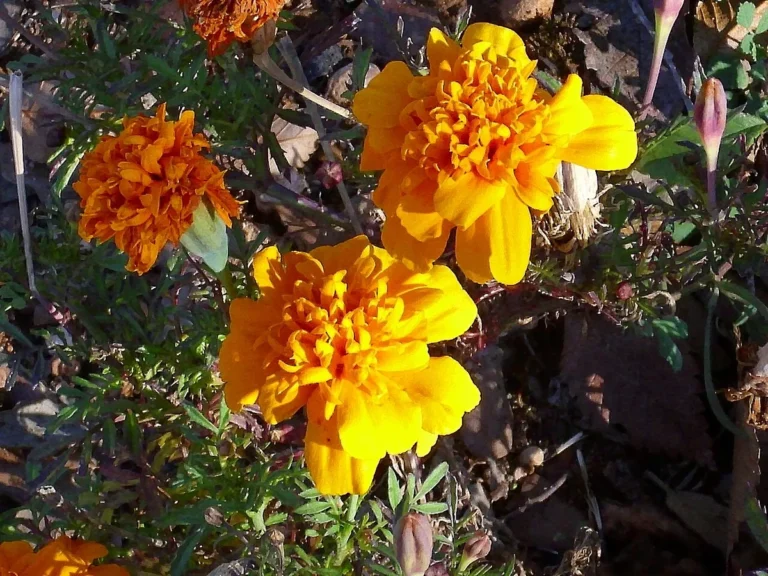
- If your core crop is Tomatoes and your goal is Pest Control: Consider planting basil nearby. Basil's strong scent can deter tomato hornworms and flies, plus it's said to improve tomato flavor. Marigolds (specifically French marigolds) are also excellent for repelling nematodes in the soil, which can be a problem in container gardens over time.
- If your core crop is Lettuce/Spinach and your goal is Yield/Health: Plant dill or cilantro nearby. These herbs can help attract beneficial insects like ladybugs and hoverflies, which prey on common leafy green pests like aphids. They also add biodiversity without taking up too much root space.
- If your core crop is Peppers and your goal is Pollinator Attraction: Borage is a fantastic choice. Its beautiful blue flowers are a magnet for bees, ensuring good pollination for your peppers. Borage can get a bit bushy, so ensure your container is large enough (e.g., a 10-gallon planter for a pepper plant and borage).
- If your core crop is Beans (bush or pole) and your goal is Soil Improvement: Most beans are nitrogen-fixers themselves, but combining them with root vegetables like carrots or radishes can be mutually beneficial. The beans provide nitrogen, while the root vegetables have different root depths, reducing competition and aerating the soil.
Always check for negative interactions too! Some plants are bad neighbors. For instance, fennel can inhibit the growth of many vegetables, so it's generally best grown alone.
Best Companion Plant Pairings for Common Urban Crops
Let's dive into some tried-and-true companion planting combinations that work wonderfully in small urban settings. These pairings are often highlighted by university extension programs for their effectiveness. Keep in mind that "small urban gardens" means maximizing every inch, so compact varieties are often preferred.
Herbs That Work Wonders in Small Spaces
Herbs are perfect for urban companion planting because many have strong aromatic compounds that deter pests and attract beneficial insects. They're also generally compact and can thrive in containers.
- Basil: The classic partner for Tomatoes. Deters flies and mosquitoes, and some gardeners report it enhances tomato flavor. It also does well with Peppers and Lettuce.
- Mint: A powerful pest deterrent (aphids, cabbage moths). Be cautious, though: mint spreads aggressively! It's best grown in its own separate container and then placed near plants like Cabbage or Carrots. Don't plant it directly in the same pot unless you have a root barrier.
- Rosemary: Repels carrot rust flies, slugs, and some beetles. Great with Carrots, Cabbage, and Beans. It needs plenty of sun and good drainage.
- Dill: Attracts beneficial insects like ladybugs and predatory wasps, which prey on aphids and spider mites. Good near Cabbage, Lettuce, and Cucumber. It can, however, inhibit carrots if planted too close, so give carrots some space.
- Chives: Deter aphids and Japanese beetles. Excellent around Carrots, Tomatoes, and Apple trees (if you have a dwarf one). They are also a great companion for Strawberries, reportedly enhancing their flavor.
Vegetables That Thrive Together
Even within the limited confines of urban gardening, certain vegetable combinations excel at mutual support.
- Tomatoes & Carrots: Plant carrots a bit away from tomatoes. Tomatoes offer shade to the carrots in hot weather, while carrots aerate the soil, which helps tomato roots.
- Bush Beans & Corn: If you have space for even a dwarf corn variety, beans can use the corn stalks as a natural trellis. The beans also provide nitrogen to the heavy-feeding corn. This is a classic "Three Sisters" combination, sometimes adding squash as a ground cover.
- Cabbage Family (Broccoli, Kale, Cabbage) & Dill/Chamomile: Dill and chamomile attract beneficial insects that prey on cabbage worms and other brassica pests. Rosemary and mint (in separate pots nearby) also deter cabbage moths.
- Lettuce/Spinach & Radishes: These shallow-rooted plants have different growth cycles and needs, allowing for efficient use of container space. Radishes mature quickly, freeing up space, and their quick harvest doesn't compete heavily with the leafy greens.
- Strawberries & Borage: Borage is a fantastic pollinator attractant, which boosts strawberry fruit set. It also enriches the soil and can deter tomato hornworms (a common pest where strawberries are also present).
- Peppers & Marigolds: French marigolds are known for releasing compounds from their roots that deter nematodes, microscopic worms that can damage pepper roots. They also deter other pests above ground.
Planning Your Tiny Ecosystem: Layout & Design Tips
Successfully implementing companion planting in a small urban garden isn't just about choosing the right plants, it's about smart design. You've got to think like an architect for your little green space, maximizing every dimension. This includes careful consideration of vertical space and ensuring adequate light and airflow.
Vertical and Container Strategies
Urban gardening often means going up. Vertical gardening is your best friend when ground space is scarce.
- Layering in Containers: In larger pots, you can layer plants with different root depths and growth habits. For example, a tall tomato plant (your "thriller"), surrounded by a basil plant (your "filler"), and nasturtiums (your "spiller") trailing over the edges. Nasturtiums also serve as a trap crop for aphids.
- Vertical Planters: Many multi-pocket vertical planters are available. Group plants with similar light and water needs within these systems. You might put sun-loving herbs at the top, and leafy greens that appreciate partial shade below. This visualizes a multi-level companion planting system.
- Trellises and Stakes: Use these to support vining plants like cucumbers or pole beans. You can then plant smaller companions, like marigolds or bush beans, at their base. The taller plants create a microclimate for the shorter ones.
- Window Boxes: These are ideal for compact herbs (chives, parsley, thyme) alongside smaller edibles like radishes or leafy greens. Pair a pest-repelling herb with your edible. For instance, parsley and chives work well in a window box to deter pests from nearby container tomatoes.
Maximizing Sunlight and Airflow
In an urban environment, sunlight can be tricky due to buildings, fences, or other structures. Airflow is also crucial to prevent fungal diseases, especially in humid conditions or crowded spaces.
- Sun Mapping: Spend a day observing how the sun moves across your garden area. Place sun-loving plants where they get the most light, and partial-shade tolerant companions where they'll be protected from the harsh afternoon sun.
- Tallest to Shortest: Generally, place taller plants (like supported tomatoes or peppers) on the north side of your containers or beds (in the Northern Hemisphere) so they don't shade out shorter, sun-loving companions.
- Strategic Spacing: Even in small spaces, give plants enough room to breathe. Overcrowding reduces airflow, making plants more susceptible to powdery mildew or other fungal issues. It also increases competition for nutrients and water. If plants get too bushy, prune lower leaves to improve circulation. As of 2026, many urban gardening guides emphasize good airflow as a primary defense against common container diseases.
- Container Placement: Arrange containers so that air can circulate freely around them, not just over the top. This prevents stagnant air pockets.
Common Pitfalls: Mistakes Urban Gardeners Make
Companion planting for small urban gardens sounds simple, but it's easy to stumble into common mistakes. Knowing these ahead of time can save you frustration, wasted effort, and disappointing harvests. Don't worry, we've all made them, but we can learn from them!
Overcrowding and Competition
This is probably the biggest mistake in small urban gardens. It's tempting to cram as many plants as possible into a container or tiny bed to maximize yield. But often, the opposite happens.
- Root Competition: Plants need space for their roots to grow and absorb water and nutrients. When too many plants are in a small pot, their roots intertwine and compete fiercely. This leads to stunted growth, nutrient deficiencies, and overall weaker plants.
- Light Competition: Taller, bushier plants can quickly shade out their smaller companions, robbing them of essential sunlight. This can be especially problematic in urban settings where natural light is already limited.
- Airflow Issues: Overcrowding drastically reduces air circulation, creating a humid microclimate. This is a breeding ground for fungal diseases like powdery mildew, which can spread rapidly through a dense planting. Always aim for thoughtful spacing, even if it means fewer plants.
Ignoring Negative Pairings
Not all plants play nice together. Just as some plants are beneficial companions, others are antagonists. Planting these "bad neighbors" close by can hinder growth, attract pests, or negatively impact flavor.
- Fennel: This herb is notorious for inhibiting the growth of almost all other vegetables and herbs. It's best grown in its own dedicated container, far away from your main crops.
- Walnut Trees: If you have even a small walnut tree nearby, be aware that its roots release juglone, a chemical that's toxic to many plants, including tomatoes, peppers, and most berries.
- Cabbage Family & Strawberries: While not always a strong negative, some brassicas (like broccoli or kale) can stunt strawberry growth, so it's generally best to keep them separate.
- Onions/Garlic & Beans/Peas: Alliums (onions, garlic, chives) can inhibit the growth of legumes. Keep them separated to allow both to thrive.
Always do a quick check on potential negative interactions before planting to avoid these issues. A simple online search for "plant name + bad companions" can save you headaches.