Guide to Companion Planting for Apartment Balcony Containers
Dreaming of fresh herbs and veggies right outside your door, even in an apartment? You're not alone. Figuring out companion planting for apartment balcony containers can seem tricky with limited space, but it's totally achievable and genuinely rewarding. This clever gardening technique pairs specific plants together to help them thrive, naturally deter pests, and even boost yields, making your small balcony feel like a productive oasis.
Our research shows that a well-planned companion planting setup on a balcony can increase harvest efficiency by up to 20% compared to random plantings, especially when considering compact varieties. We'll walk you through how to choose the best pairings based on your unique balcony conditions, setting you up for success right from the start.
Why Companion Plant on a Balcony? More Than Just Pretty Pots
Companion planting isn't just an old gardening trick; it's a smart strategy, particularly useful when you're working with the confined conditions of an apartment balcony. You're effectively creating a mini ecosystem where plants help each other out, often in ways you wouldn't expect. This method leverages natural interactions, reducing your workload and improving the health of your container garden.
Think of it as strategic teamwork. Some plants deter pests with their strong scents, while others attract beneficial insects like ladybugs and hoverflies, which then feast on those very pests. There are also plants, known as nitrogen fixers, that improve soil fertility for their neighbors. It's about maximizing every inch of your precious balcony space, turning challenges like limited sunlight or wind exposure into opportunities for plant partnerships.
The Balcony Companion Planting Decision Tree: Your Starting Point
Before you start picking out seeds or seedlings, we need to map out your specific balcony conditions. Companion planting on a balcony isn't a one-size-fits-all situation; what works for one spot might not work for another. This decision tree helps you tailor your plant choices to your environment.
You'll need to consider a few key environmental factors. Get ready to observe your balcony over a day or two. This small investment of time will save you a lot of guesswork and disappointment later on.
Understanding Your Balcony's Microclimate
Your balcony has its own unique weather patterns, often called a microclimate, that can be very different from your general area. These subtle differences play a huge role in how well your plants will grow. Identifying these conditions is the first crucial step.
- Sun Exposure: This is perhaps the most critical factor. Observe how many hours of direct sunlight your balcony receives daily.
- Full Sun: Six or more hours of direct sun. Ideal for most vegetables like tomatoes, peppers, and many herbs.
- Partial Sun: Three to six hours of direct sun. Good for lettuce, spinach, radishes, and some herbs.
- Shade: Less than three hours of direct sun. Best for leafy greens and some root vegetables.
- Wind Patterns: Balconies can be surprisingly windy. High winds can dry out plants quickly, damage delicate foliage, or even knock over pots. Note if you have a sheltered spot or an exposed area.
- Temperature Fluctuations: Observe if your balcony gets significantly hotter in the afternoon sun or cooler due to shade. This affects watering needs and plant stress.
Assessing Your Container & Space Limitations
Once you understand your microclimate, let's look at the physical constraints. Limited space is the reality for most apartment gardeners, so planning around it is essential. Every container and every square foot needs to pull its weight.
- Available Space: How much actual floor space do you have for containers? Consider vertical space too, using shelves or railing planters. This dictates how many and what size plants you can grow.
- Container Size & Type: Different plants have different root needs.
- Small Pots (under 1 gallon): Best for herbs like basil, chives, or single lettuce plants. Rapid drying is a concern.
- Medium Pots (1-5 gallons): Good for bush beans, peppers, radishes, carrots.
- Large Pots (5+ gallons): Suitable for dwarf tomatoes, larger herbs, or multiple companion plants together. In our research, container volumes between 5 and 10 gallons often provide the best balance for mixed planting as of 2026.
- Drainage: Every container absolutely needs drainage holes to prevent root rot. If a pot doesn't have them, you'll need to drill some or use it as a cachepot (decorative outer pot).
- Weight Limits: Be mindful of your balcony's structural integrity. Wet soil and heavy pots can add significant weight. When in doubt, use lighter fabric grow bags or plastic containers over heavy terracotta or ceramic.
Picking Your Plant Buddies: What Works Well Together?
Now for the fun part: choosing your plant companions! This is where we get specific about which plants thrive when planted side-by-side in a container. The goal is to create beneficial relationships, like natural pest deterrents or growth stimulants. We'll focus on common, easy-to-grow options perfect for balcony life.
Top Herbs for Balcony Companions
Herbs are fantastic container plants and often play multiple roles in companion planting. They’re usually compact, smell great, and repel many common pests.
- Basil: A classic companion for tomatoes and peppers. It’s thought to improve tomato flavor and deter flies and hornworms. Plant a basil in a pot directly next to or in the same larger container as your dwarf tomato plants.
- Mint: Keep mint in its own pot, as it can be incredibly invasive. However, its strong scent can deter spider mites and aphids from nearby plants. Just make sure its roots don't spread into other containers.
- Rosemary & Thyme: These woody herbs deter various pests, including cabbage moths and bean beetles. They love full sun and good drainage, making them excellent companions for bush beans or carrots.
- Cilantro & Parsley: These attract beneficial insects like hoverflies and lacewings when allowed to flower (bolt). Their presence can help control aphid populations on leafy greens or peppers.
- Chives: Said to improve the flavor and growth of carrots and deter aphids. They're easy to grow in pots and have pretty purple flowers.
Best Vegetables for Container Pairings
Many popular vegetables adapt well to containers, especially compact or "bush" varieties. Pairing them correctly can maximize your harvest in limited space.
- Bush Beans: Excellent nitrogen fixers, meaning they add nitrogen to the soil, which benefits heavy feeders like corn (if you’re brave enough for container corn!) or cucumbers. Avoid pairing them with onions or garlic, which can inhibit bean growth.
- Dwarf Tomatoes: These are the stars of many balcony gardens. Pair them with basil for pest deterrence and flavor, or marigolds to deter nematodes and other soil pests. Lettuce can be planted at the base for ground cover and weed suppression.
- Peppers: Similar to tomatoes, peppers benefit from basil and marigolds. They also appreciate the shade provided by taller plants in very hot climates, preventing sunscald.
- Lettuce & Spinach: These leafy greens are relatively shallow-rooted and tolerate partial sun. They do well interplanted around the base of taller plants like tomatoes or peppers, keeping the soil cool and suppressing weeds. They benefit from chives or cilantro nearby to deter aphids.
- Radishes & Carrots: Both quick-growing root vegetables that do well in medium-depth containers. Rosemary and thyme can deter carrot rust flies. Lettuce can be planted alongside to mark rows and keep the soil moist.
Flowers That Help (and Look Good Doing It)
Don't underestimate the power of flowers in your edible balcony garden. They're not just for show; many are powerful allies.
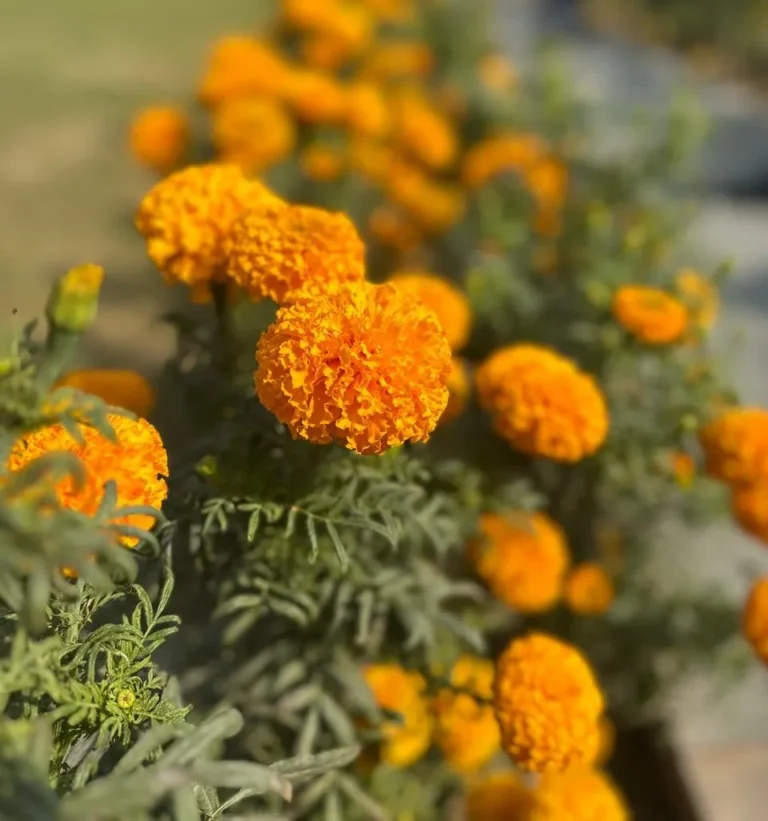
- Marigolds (Tagetes species, especially French Marigolds): These are superstars for pest control, particularly known for deterring nematodes in the soil and whiteflies. Plant them liberally around tomatoes, peppers, and other vegetables.
- Nasturtiums: These are fantastic "trap crops." Aphids and cabbage worms are often drawn to nasturtiums, leaving your other plants alone. You can simply remove the infested nasturtium leaves or let them do their job. Plus, their leaves and flowers are edible!
- Calendula: Attracts beneficial insects like ladybugs and hoverflies, which are natural predators of aphids. Its bright orange flowers also add a lovely splash of color.
- Borage: Attracts pollinators like bees and beneficial wasps. It's especially good for tomatoes and strawberries, potentially improving their vigor and disease resistance.
- Sweet Alyssum: A low-growing, spreading flower that provides ground cover, helps retain soil moisture, and attracts tiny beneficial insects like parasitic wasps, which target various garden pests.
The "Do Not Disturb" List: Plants to Keep Separate
Just as some plants are best buddies, others are downright bad neighbors. Planting these incompatible pairs together can lead to stunted growth, increased pest problems, or even disease. It's crucial to know which combinations to avoid on your balcony. This list isn't exhaustive, but it covers some common pitfalls for container gardeners.
- Fennel: This herb is notorious for inhibiting the growth of many other plants, including tomatoes, beans, and caraway. It's best grown in its own dedicated container, well away from other edible plants. Its allelopathic properties, meaning it releases chemicals that can suppress the growth of nearby plants, make it a solitary gardener.
- Mint (unless contained): As mentioned earlier, while mint can be beneficial for pest deterrence, its aggressive spreading root system will quickly choke out other plants in a shared container. If you want mint, always grow it in its own pot, ideally a non-porous one to prevent roots from escaping.
- Onions & Garlic (with Beans & Peas): While great for deterring many pests, alliums (onions, garlic, chives) can inhibit the growth of beans and peas. Their sulfur compounds, while repelling some pests, can negatively impact legumes.
- Brassicas (Cabbage, Broccoli, Kale) with Strawberries: These heavy feeders compete for nutrients, and brassicas can sometimes make strawberries taste odd. Keep them in separate containers.
- Tomatoes & Broccoli/Cabbage: These two don't mix well. Tomatoes can inhibit the growth of brassicas, and they also share common pests and diseases, which can spread quickly when planted in close proximity within containers.
- Potatoes (with anything in containers): Potatoes are incredibly heavy feeders and need a lot of space and specific soil conditions. They're generally not recommended for small-scale balcony companion planting, as they outcompete most companions for nutrients and water in a confined pot.
Step-by-Step: Planting Your Balcony Companions
Alright, you've done your homework on your balcony and picked out some perfect plant pairs. Now it's time to get your hands dirty! This section breaks down the actual planting process into manageable steps. Remember, success in container companion planting comes down to thoughtful preparation and arrangement.
Choosing the Right Pots and Potting Mix
The foundation of any thriving container garden is, well, the containers and what you fill them with. Don't skimp on these critical elements.
- Container Selection:
- Size Matters: Choose pots appropriate for the mature size of your plants. If you're pairing a tomato with basil, you'll need a much larger pot (at least 5-gallon equivalent) than if you're just doing lettuce and chives. Fabric grow bags are excellent for balconies because they're lightweight, promote air pruning of roots, and prevent root circling.
- Drainage is Non-Negotiable: Ensure every pot has adequate drainage holes. We can't stress this enough. Without them, your plants will sit in soggy soil, leading to root rot. For example, a 10-gallon container should have at least three to five 1/2-inch drainage holes.
- Material: Terracotta pots look lovely but dry out quickly, demanding more frequent watering. Plastic or glazed ceramic pots retain moisture longer.
- Potting Mix Preparation:
- Not Garden Soil: Never use soil from your garden in containers. It compacts too much, lacks drainage, and can introduce pests and diseases.
- Quality Potting Mix: Opt for a high-quality, lightweight potting mix specifically designed for containers. These typically contain peat moss or coir, perlite or vermiculite for drainage, and some slow-release nutrients.
- Enrichment: Enhance your potting mix with a good organic compost (about 10-20% of the total volume). Compost adds beneficial microbes and a slow release of nutrients, which is vital as container plants use up nutrients faster.
Strategic Placement: Who Goes Where?
Once you have your containers and potting mix ready, it's time to arrange your plant buddies. This isn't just about aesthetics; it's about optimizing their interactions and ensuring each plant gets what it needs.
- Consider Growth Habits:
- Taller Plants (e.g., dwarf tomatoes, peppers): Plant these in the center or slightly to the back of the container, providing a "backbone."
- Bushy Plants (e.g., basil, bush beans): Place these around the taller plants, ensuring they still get adequate light.
- Sprawling or Trailing Plants (e.g., nasturtiums, sweet alyssum): These can go along the edges of the container, spilling over, or acting as ground cover.
- Light Requirements: Even within the same pot, consider light. If you have a plant that needs full sun and one that prefers partial shade, position the shade-lover where it might get a bit more cover from its sun-loving companion, especially during the hottest part of the day.
- Root Zones: Ensure there's enough space for each plant's root system to develop without being overly competitive. In our experience, for a 5-gallon pot, you might comfortably fit one dwarf tomato, two basil plants, and one marigold. For smaller plants like herbs, you could potentially fit 3-4 different varieties in a 1-gallon pot if they have similar needs.
- Interplanting: This means planting different crops close together in the same pot. For instance, you could plant lettuce around the base of a tomato plant. The lettuce provides ground cover, keeps the soil cool, and is harvested before the tomato needs all the space.
Watering and Feeding Your Container Companions
Watering and feeding are crucial for container plants, even more so when they're living together in a confined space. Pots dry out faster than garden beds, and multiple plants draw more nutrients. Getting this right is key to keeping your companion planting efforts thriving.
Consistent care prevents stress, which can make plants more susceptible to pests and diseases. Plus, it ensures your plant partners have enough resources to genuinely help each other.
How Often Should I Water My Balcony Pots?
The frequency of watering depends on several factors: pot size, plant types, weather, and container material. There's no fixed schedule, so you'll need to develop a feel for it.
Generally, you'll want to check your pots daily, especially during hot, windy weather. A good rule of thumb is to stick your finger about an inch or two into the soil. If it feels dry, it's time to water. Smaller pots and terracotta pots will likely need water more often than larger plastic containers.
When you water, do so thoroughly until you see water draining from the bottom. This ensures the entire root ball gets moistened. Avoid frequent, shallow watering, which encourages shallow roots and doesn't fully hydrate the plant. Proper drainage is vital here; if water pools for too long, adjust your mix or drainage holes.
Fertilizing for Shared Success
Container plants quickly use up the nutrients in their limited potting mix. With multiple plants sharing a pot, nutrient depletion happens even faster. Regular feeding is essential to keep them healthy and productive.
- Start with Rich Soil: As we discussed, begin with a good potting mix enriched with compost. This provides initial nutrients.
- Liquid Feeders: Most balcony container gardens benefit from a balanced liquid fertilizer every 2-4 weeks, especially during active growth and fruiting periods. Look for an N-P-K ratio around 5-1-1 or 2-1-2 for leafy greens, or something higher in phosphorus and potassium for fruiting plants like tomatoes (e.g., 2-3-4).
- Slow-Release Options: You can also mix in a slow-release granular fertilizer into the potting mix at the time of planting. These feed plants gradually over several months, reducing the need for frequent liquid feeds. Follow manufacturer instructions for dosage to avoid over-fertilizing.
- Nitrogen Fixers: Remember plants like bush beans? They're nitrogen fixers and reduce the need for external nitrogen fertilizer for their neighbors. This is a prime example of companion planting in action.
Troubleshooting Common Balcony Companion Planting Problems
Even with the best planning, you might encounter a few bumps along the way. That's part of gardening! The key is to quickly identify and address issues, especially when you have multiple plants in close quarters.
Staying vigilant helps you prevent small problems from becoming big ones. We've found that early intervention makes all the difference in container gardening.
Pests and Diseases: Natural Solutions
One of the main goals of companion planting is natural pest control, but it's not a magic bullet. Pests can still show up, and diseases can still strike.
- Aphids & Whiteflies: These are common balcony nuisances. If you see them, check your companion plants. Marigolds and nasturtiums (as trap crops) should be nearby. For minor infestations, a strong spray of water can dislodge them. For more persistent issues, a horticultural oil or insecticidal soap, applied per product instructions, works well.
- Spider Mites: These thrive in hot, dry conditions. Ensure good air circulation (pruning helps) and consistent watering. Misting leaves can sometimes deter them. Again, insecticidal soap is your friend.
- Powdery Mildew: This fungal disease looks like white powder on leaves, often on squash or cucumbers. It's usually caused by poor air circulation and high humidity. Prune affected leaves, ensure good spacing (even in companion pots), and water at the base of the plant to keep foliage dry. Some plants, like borage, are thought to boost plant immunity, reducing disease susceptibility.
- Vigilance is Key: Inspect your plants regularly. Turn over leaves, check stems, and look for any discoloration or unusual spots. The earlier you spot a problem, the easier it is to manage organically.
Overcrowding and Nutrient Depletion
These are common issues in any container garden, amplified when you're companion planting. You're trying to fit a lot of life into a small space!
- Signs of Overcrowding: Plants might look stunted, leaves could be yellowing (a sign of nutrient deficiency), or you might see poor fruit set. This means roots are competing too aggressively.
- Solutions for Overcrowding:
- Pruning: Regularly prune both edible plants (e.g., pinch back basil, remove suckers from tomatoes) and your companion flowers (deadheading promotes more blooms). This improves air circulation and reduces demand on resources.
- Harvesting: Don't be afraid to harvest! Picking lettuce, herbs, or radishes regularly opens up space and encourages new growth, giving the remaining plants more room.
- Succession Planting: Instead of planting everything at once, sow quick-growing companions (like radishes or lettuce) in batches every few weeks. Once harvested, you can replant with something new, or let the main crop expand.
- Addressing Nutrient Depletion: As discussed in the watering and feeding section, consistent fertilization is paramount. If you see yellowing leaves on older growth, it often indicates a nitrogen deficiency. For overall pale or weak growth, a balanced liquid fertilizer will usually perk things up.
Expert Tips for a Thriving Balcony Garden
Beyond the basics, a few expert insights can really elevate your balcony companion planting game. These are the little tricks we've learned through experience and research that make a big difference.
- Rotate Your Crops (Even in Pots): Don't plant the same thing in the same pot every year. While not as critical as in a large garden, rotating crops helps prevent soil-borne diseases and pest buildup. If you grew tomatoes in a certain pot this year, try beans or leafy greens in it next season.
- Embrace Verticality: Balconies offer vertical space that often goes underutilized. Use railing planters, hanging baskets, or tiered shelving units to add more companion plants without taking up precious floor space. This is excellent for trailing nasturtiums or strawberries paired with upright herbs.
- Mulch Your Containers: A thin layer of organic mulch (like straw, shredded leaves, or even fine wood chips) on top of your potting mix does wonders. It helps retain soil moisture, keeps soil temperatures more consistent, and suppresses weeds, reducing stress on your plants.
- Observe and Adapt: Your balcony is unique. Pay close attention to how your plants are growing, what pests (if any) are present, and how quickly your soil dries out. Be ready to adjust your watering, feeding, and even your plant pairings based on your observations. Gardening is a continuous learning process!
- Connect with Local Resources: University Extension services, often through Master Gardener programs, provide region-specific advice on plant choices, pest management, and container gardening techniques. These resources can be invaluable for localized guidance.
FAQs About Balcony Companion Planting
We've covered a lot of ground, but you might still have some lingering questions about setting up your balcony companion garden. Here are some of the common questions we hear.
Can I really get a good harvest from a small balcony?
Absolutely! With thoughtful companion planting and smart container choices, you can achieve surprisingly productive yields from even a small balcony. The key is strategic planning, picking compact varieties, and providing consistent care. Many urban gardeners successfully grow enough herbs and salad greens for daily use, plus a good supply of tomatoes, peppers, or bush beans throughout the season.
It's all about maximizing efficiency per square foot.
What are the best plants for a beginner companion gardener on a balcony?
For beginners, we recommend starting with robust, easy-to-grow plants that have clear companion benefits. Think about pairing basil with a compact bush tomato, or growing marigolds around your pepper plants. Lettuce and radishes are also excellent choices, often thriving with chives or cilantro nearby. These combinations are forgiving and provide visible results, boosting your confidence.
How do I know if my companion plants are actually helping each other?
You'll notice several positive signs if your companion plants are working well together. Look for healthier, more vigorous growth in your main crops, fewer visible pests (or beneficial insects like ladybugs present), and potentially improved yields or flavor. For instance, if your tomatoes have fewer hornworms when basil is nearby, that's a clear win. Reduced pest damage compared to previous seasons without companions is a strong indicator.
Is companion planting always organic?
Not necessarily, but it strongly aligns with organic gardening principles. Companion planting is a natural pest management strategy that reduces the reliance on chemical pesticides. While you can still use synthetic fertilizers or treatments in a companion-planted garden, the core benefits of plant synergy are inherently organic. Many companion gardeners choose this method precisely to minimize chemical inputs.
What if my balcony gets very strong winds?
Strong winds can be a challenge on balconies, drying out plants and causing physical damage. If your balcony is particularly windy, focus on sturdy, compact plants that don't get too tall, or provide physical windbreaks like screens or taller, robust pots at the windward side. Planting shorter, bushier companions around more delicate plants can also offer some protection. Fabric grow bags, being lighter, are often easier to reposition out of direct wind or secure against railings.