Guide to Companion Planting Chart for Beginners 2026 in 2026
Let's be honest. You've probably looked at companion planting charts before, seen a confusing mess of Latin names and obscure pairings, and closed the tab. You just want to grow some tomatoes without every bug in the county moving in. A good companion planting chart for beginners in 2026 cuts through that noise.
It’s your simple map for putting plants together so they actually help each other out instead of fighting for light and nutrients. Think of it as setting up a neighbourhood watch for your vegetables.
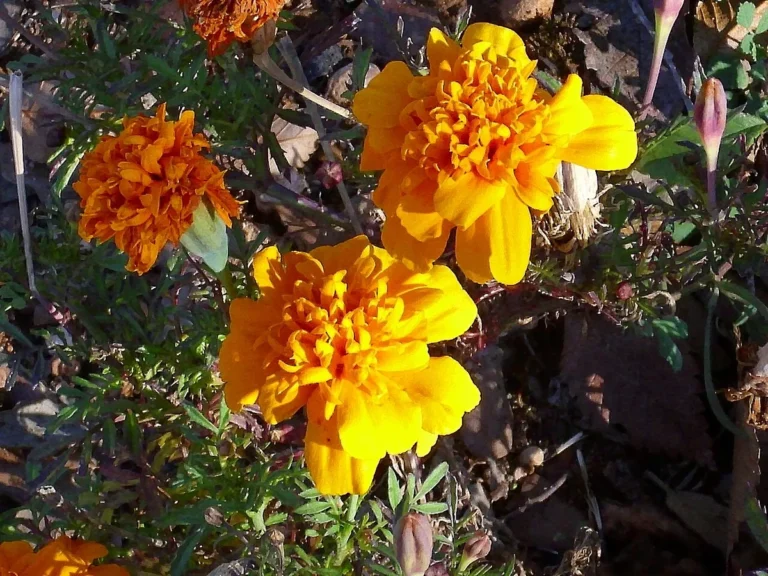
The best starting point is always the universal insurance policy: French marigolds. These flowers aren't just pretty; research from university extensions consistently shows they release a compound that suppresses harmful soil nematodes. Plant them anywhere you have a pest problem, and you're already ahead of the game. This guide will give you a chart you can actually use, explain why the pairings work, and show you how to get started without overcomplicating it.
Why a Simple Chart Beats a 50-Page Manual
Companion planting is, at its heart, a visual and spatial concept. It's about relationships, what grows well next to what. A dense paragraph explaining that "Tagetes patula deters Pratylenchus penetrans" doesn't help you picture where to put a marigold next to your tomato. A good chart does.
This one focuses on the high-impact pairings that matter for beginners in 2026, ditching the overly complex or purely anecdotal stuff.
The goal here isn't perfection. It's giving you a framework that lets you plant with more confidence. You’ll see patterns, like how strong-scented herbs often confuse pests, that you can apply even beyond this chart. We’re building your intuition, not just giving you a rigid list.
Your No-Fluff Companion Planting Chart (The 2026 Starter Version)
This is your core reference. Print it, save it on your phone, stick it in your shed. It lists the most reliable friends for common crops and the ones you should keep apart. The "Why It Works" column is key, it helps you understand the logic so you can make smart choices even if your garden layout doesn’t match a perfect example.
| Main Crop | Plant These Companions | Keep These Separated | Why It Works |
|---|---|---|---|
| Tomatoes | Basil, Marigolds, Onions, Carrots | Cabbage, Potatoes, Fennel | Pest confusion, nematode control, space sharing. |
| Leafy Greens (Lettuce, Spinach) | Radishes, Carrots, Strawberries | Cabbage family, Parsley | Pest traps, soil loosening, living mulch. |
| Carrots & Root Veggies | Onions, Leeks, Rosemary, Radishes | Dill, Parsnips | Scent masking from flies, soil structure. |
| Peppers (Sweet & Hot) | Basil, Onions, Oregano, Spinach | Fennel, Kohlrabi | Aphid reduction, flavor aid, space use. |
| Cucumbers & Squash/Zucchini | Radishes, Nasturtiums, Marigolds, Beans | Potatoes, Aromatic herbs, Pumpkins | Beetle traps, disease buffer, nitrogen boost. |
| Corn (Sweet Corn) | Beans, Squash, Cucumbers | Tomatoes, Potatoes | The Three Sisters system, mutual support. |
| Brassicas (Broccoli, Cabbage, Kale) | Onions, Garlic, Rosemary, Marigolds | Strawberries, Tomatoes, Pole Beans | Moth deterrence, scent confusion. |
| Potatoes | Beans, Corn, Marigolds, Onions | Cucumbers, Pumpkins, Tomatoes | Nitrogen fixing, nematode control, disease separation. |
| The Universal Insurances | French Marigolds, Nasturtiums, Onions, Garlic | Give them their own space. | Plant these throughout to cover your bases. |
How to Read and Actually Use This Chart
Don't just glance and go. Let this chart be an active tool. Here’s the straightforward way to work with it.
Start with what you want to grow. Pick the veggie you're most excited about, let's say it's Tomatoes. Now, look at their row. The "Plant These" column gives you options: Basil (great for pots and flavour), Marigolds (essential for the soil), Onions (a fantastic border), and Carrots (they break up the soil).
You don't need to plant all four. Pick one or two that fit your space.
The "Keep Separated" list is just as important. Potatoes and tomatoes are both nightshades; they share diseases like blight. Planting them together is like putting all your eggs in one basket. Give them different areas of the garden. The "Why It Works" column teaches you the reason, whether it's pest control, space efficiency, or flavour.
Once you know the reason, you can apply that logic to other plants.
One quick tip: if you see Marigolds listed everywhere, you're right. Get a packet of French Marigolds (Tagetes patula). They are the workhorse for soil health.
The 2026 Garden Principles That Make Any Chart Work Better
These are the big ideas behind the chart. They're the reason why companion planting isn't just superstition. When you understand these, you can start to experiment and adapt.
Marigolds Are Your Non-Negotiable. We’ve mentioned them, but it’s worth repeating. French marigolds suppress nematodes. Mexican marigolds (Tagetes minuta) are the big guns for repelling larger pests like squash bugs. Scatter them throughout your beds and borders.
Think of them as your garden's security team.
Tall + Short = Efficient Space. This is simple geometry. A tall crop like Corn or a staked Tomato creates a microclimate underneath for something low and shade-tolerant like Lettuce or Spinach. You get two harvests from the same square footage. Just remember the golden rule: put your tallest plants on the north side of the garden so they don't cast a shadow over everything else.
Strong Scents Are Bug Confetti. Pests like cabbage moths or carrot flies find their hosts by smell. A wall of Onions, Garlic, or aromatic herbs like Rosemary and Oregano creates a scent barrier that jams their radar. Plant these as borders around more vulnerable crops like Cabbage or Carrots.
The Three Sisters Isn't a Myth. This is the classic, time-tested system: Corn, Beans, and Squash. The corn gives the beans something to climb. The beans fix nitrogen, feeding the corn and squash. The squash spreads along the ground, shading out weeds and retaining moisture.
It’s a complete, functional ecosystem. Try a small block of it at least once, it’s the purest form of companion planting.
"Keep Away" Often Means "Shared Problems". Many of the separations on the chart (like tomatoes and potatoes) are because they’re in the same plant family and are susceptible to the same diseases. Keeping them apart is basic disease management, not just old wives' tales.

Image source: Wikimedia Commons / Aman Srivastava 03 (CC BY)
Common Visual Layouts: How to Arrange Your Companions
Now that you know which plants go together, let's talk about how to place them. The layout matters as much as the pairing.
Border Planting is one of the easiest and most effective methods. Create a living fence around a bed. Plant a single row of Garlic or Onions around your Tomatoes or Brassicas. This leverages the strong scent principle right where you need it most, on the perimeter.
Interplanting means mixing companions within the same row or block. You might plant Basil every fourth plant in your tomato row, or sow Radishes between your Carrot seedlings. The radishes will mark the row and break the soil, making life easier for the slower-growing carrots. In square foot gardening, this just means planting different companions in different squares.
Guilds or Clusters are a more focused version of the Three Sisters. You create a small circle or triangle of plants that support each other. A central Corn stalk surrounded by Beans and Squash is the textbook example. You can also do a Tomato plant with Basil and Marigolds planted at its base.
Trap Crop Islands are a clever strategy for pests. You plant a small, sacrificial patch of something pests love even more than your main crop, away from your prize vegetables. Nasturtiums are fantastic for this, they’ll lure aphids away from your beans. Just be prepared to either spray that patch with soapy water or remove it entirely once it’s infested.
When Your Companions Don't Get Along: Troubleshooting
Sometimes, even good neighbours have issues. You followed the chart, but something’s not working. Let’s diagnose the most common problems.
Overcrowding is the silent killer. This is the number one mistake beginners make. You plant basil right next to the tomato, then the marigold, then a carrot, and suddenly they’re all fighting. Check spacing guidelines on your seed packets. Even beneficial plants need room to breathe and access sunlight.
If your plants look stunted or leggy, give them more space next season.
Conflicting needs can undo a good pairing. Companion planting is secondary to a plant’s basic requirements. Don’t put a drought-tolerant herb like rosemary in the same pot as a thirsty crop like cucumbers. The rosemary will drown, and you’ll blame the chart. Always match water and sunlight needs first, then use companions for pest control or flavour.
Allelopathy is real and often overlooked. Some plants, like fennel, walnut trees, or even rye cover crops, release chemicals that suppress the growth of others. That’s why fennel is on almost every "keep away" list. If you have a plant that seems to stunt everything around it, it’s likely allelopathic. Give it its own corner, or remove it.
If it’s not working, that’s normal. Companion planting isn’t a silver bullet. It’s one layer of defence. If you have a massive pest invasion, you might still need to hand-pick bugs or use a targeted organic spray. Use the chart to reduce problems, not eliminate them entirely.
Your First-Season Action Plan (Keep It Simple)
Don’t try to redesign your whole garden at once. That’s the fastest route to frustration. Here’s a simple, step-by-step plan for your first year with companion planting.
Step 1: Pick your 2-3 star players. What do you love to eat? Is it tomatoes? Salad greens? Zucchini?
Choose a couple of main crops you want to focus on. This keeps things manageable.
Step 2: Add the universal insurance. For every single main crop, add a packet of French marigold seeds. Plant them at the base of your tomatoes, tuck them between brassicas, or scatter them along the borders. This is the single most effective thing you can do.
Step 3: Choose ONE other companion per crop. For your tomatoes, grab some basil. For your lettuce, try some radishes. For your carrots, plant some onions. Just one extra plant per main crop.
This is enough to see a benefit without creating a chaotic mix.
Step 4: Sketch a rough map. You don’t need fancy software. A pencil and graph paper works. Note where your tall plants (corn, tomatoes) go on the north side. Mark where you’ll put your marigold borders.
This prevents you from planting everything in a straight, boring row where nothing helps anything else.
Step 5: Observe and take notes. The real learning happens after the season. Jot down what worked and what didn’t. Did the basil near your tomatoes look happy? Did the slugs still eat your lettuce?
Your notes become your personal, custom chart for 2027.