Best Companion Plants to Repel Aphids Naturally in 2026
There’s nothing quite as frustrating as stepping into your garden, full of anticipation, only to find your precious plants covered in tiny, sap-sucking aphids. Chemical sprays might seem like a quick fix, but they can harm beneficial insects and the environment, leaving many gardeners searching for the best companion plants to repel aphids naturally. We've spent a lot of time digging into this problem, understanding that a healthy garden relies on balance, not just brute force.
Our research shows that a well-designed companion planting strategy can reduce aphid populations significantly, sometimes by as much as 50% compared to monoculture plots. Instead of resorting to harsh chemicals, we can use nature’s own defenses. Let's explore how to choose and use these plant allies effectively.
Why Natural Aphid Control Matters for Your Garden
Using natural methods for pest control, especially against common nuisances like aphids, is a cornerstone of organic and sustainable gardening. It's not just about avoiding chemicals, though that's a huge benefit. It's about building a resilient ecosystem right in your backyard. When we rely on synthetic pesticides, we often kill off the very insects that would naturally help us control pests, like ladybugs and lacewings.
This creates a cycle of dependency, where you need to spray more often. Natural aphid control breaks that cycle, fostering a healthier soil, happier plants, and a thriving garden full of beneficial wildlife. It promotes biodiversity, which is essential for long-term garden health.
Quick Guide: Top Companion Plants for Aphid Repellence
If you're looking for a fast way to get started, here's a rundown of the go-to plants that offer strong aphid-repelling powers. We've seen these work wonders in various garden settings, from small container gardens to extensive vegetable patches. Each has its unique way of deterring these little pests, whether through scent, sticky sap, or by acting as a decoy.
- Marigolds (Tagetes spp.): These are absolute workhorses in the garden. Their strong scent confuses aphids and other pests, making it harder for them to find your target plants. Plus, their roots release compounds that can deter nematodes.
- Nasturtiums (Tropaeolum majus): A classic "trap crop," nasturtiums are incredibly attractive to aphids. You plant them deliberately to draw aphids away from your more valuable plants. Once infested, you can remove and destroy the nasturtium leaves, taking the aphids with them.
- Alliums (Garlic, Chives, Onions): The pungent aroma from these plants, especially garlic and chives, masks the scent of nearby crops. Aphids rely on smell to locate their food, so this natural camouflage works beautifully.
- Mint (Mentha spp.) & Catnip (Nepeta cataria): Both are members of the mint family and pack a powerful aromatic punch. Their strong scents are generally disliked by aphids, making them excellent deterrents. Just be mindful of mint's aggressive spreading habit.
- Dill, Cilantro & Fennel: These herbs are fantastic for attracting beneficial insects like parasitic wasps and hoverflies, whose larvae are voracious aphid eaters. They're more about bringing in the cavalry than direct deterrence.
How Companion Planting Naturally Deters Aphids
Companion planting isn't just an old wives' tale, it's a science-backed strategy that harnesses plant interactions. When we talk about deterring aphids naturally, we're really looking at a few clever mechanisms plants use. It's all about making your garden less appealing to the pests and more inviting to their predators.
Repellent Powerhouses: Plants That Drive Aphids Away
Some plants actively tell aphids to "buzz off" with their natural chemistry. They do this mainly through strong scents from volatile oils, which confuse or repel aphids. Think of how garlic smells to us; it's even more intense for tiny insects. These scents interfere with the aphids' ability to find their host plants.
Certain plants also release chemicals from their roots that can deter underground pests, indirectly benefiting the plant above ground by keeping its defenses strong.
Trap Cropping: Luring Aphids Away from Valuables
This is a brilliant strategy where you intentionally plant something that aphids love even more than your main crop. Nasturtiums are the star here. Aphids will flock to them, leaving your prized vegetables or flowers relatively untouched. Once the trap crop is heavily infested, you can simply remove and dispose of the plant, taking hundreds, if not thousands, of aphids with it.
It’s a bit like setting a sacrificial lamb, but for aphids.
Attracting Allies: Bringing Beneficial Insects to Your Garden
Many companion plants don't repel aphids directly but rather attract beneficial insects that prey on aphids. Ladybugs, lacewings, and hoverflies are the unsung heroes of aphid control. They're natural predators, and their larvae can consume hundreds of aphids a day. Plants like dill, cilantro, yarrow, and chamomile have small flowers that provide nectar and pollen for these beneficial adults, encouraging them to stick around and lay their eggs in your garden.
This brings in a sustainable, living pest control system.
Key Companion Plants to Consider for Aphid Control
Now, let's dive into some of the most effective companion plants individually, looking at what makes them great and how best to use them. Choosing the right plant depends on your garden's specific needs, your climate, and the particular plants you're trying to protect. Each has its own strengths, whether it's a powerful scent, an attractive lure, or a haven for predators.
Marigolds: More Than Just Pretty Flowers
Marigolds, especially French Marigolds (Tagetes patula), are renowned for their pest-repelling properties. Their strong, somewhat pungent scent acts as a natural deterrent to aphids, as well as nematodes and whiteflies. We often recommend planting them around the borders of vegetable beds.
- Pros:
- Strong repellent scent.
- Easy to grow from seed or starts.
- Attractive flowers that add beauty to the garden.
- Some varieties, like 'Nemagold', also deter root-knot nematodes.
- Cons:
- Can sometimes become aphid targets themselves if no other food source is available.
- Must be replanted annually as they are annuals.
- Best For: Edges of vegetable gardens, around susceptible flowers like roses, or interplanted with tomatoes and peppers.
Nasturtiums: The Ultimate Aphid Decoy
Nasturtiums are fantastic for drawing aphids away from more valuable crops. They act as a highly attractive "trap crop." Aphids absolutely love them, which sounds counterintuitive, but it's exactly the point. Plant them strategically where you want to divert attention.
- Pros:
- Highly attractive to aphids, pulling them away from other plants.
- Edible leaves and flowers add a peppery flavor to salads.
- Grow quickly and require minimal care.
- Cons:
- Can become completely overwhelmed by aphids.
- Requires active monitoring and removal once heavily infested.
- Best For: Protecting beans, broccoli, and fruit trees. Plant them a short distance away from your main crops to act as a sacrifice.
Alliums (Garlic, Chives, Onions): Your Pungent Protectors
The Allium family, including garlic, chives, and onions, are powerful aphid deterrents thanks to their sulfur-rich compounds, like allicin. These compounds create a strong, distinctive odor that confuses and repels aphids. We often see great success when these are planted directly alongside susceptible plants.
- Pros:
- Strong, lasting repellent scent.
- Many are perennial (chives, some garlic) and return year after year.
- Edible and useful in the kitchen.
- Can also deter other pests like slugs and deer.
- Cons:
- Garlic and onions take up more space and have longer growing seasons.
- Some varieties might go dormant after flowering.
- Best For: Interplanting with roses, lettuce, carrots, and fruit trees. Chives are particularly good for smaller spaces.
Mint & Catnip: Fragrant Foes of Aphids
Mint (Mentha spp.) and catnip (Nepeta cataria) are aromatic herbs known for their intense scents that aphids generally steer clear of. The volatile oils in their leaves are thought to be overwhelming to many insect pests. While effective, mint needs careful management.
- Pros:
- Very strong deterrent scent.
- Easy to grow, often vigorously.
- Attracts beneficial insects like bees (catnip).
- Cons:
- Mint can spread aggressively and take over garden beds; best planted in containers or with root barriers.
- Catnip can attract neighborhood cats, which might cause some plant damage.
- Best For: Container gardens, raised beds, or areas where you can easily control their spread. Good near brassicas and tomatoes.
Dill, Cilantro & Fennel: Herbaceous Helpers
These herbs are superstars for attracting predatory insects, primarily ladybugs, lacewings, and hoverflies. While they don't directly repel aphids with their scent in the same way mint or garlic does, their small, umbrella-shaped flowers provide nectar and pollen for the adult beneficials. These adults then lay their eggs in your garden, and their larvae hatch ready to feast on aphids.
- Pros:
- Excellent attractants for aphid predators.
- Edible and useful in cooking.
- Dill and cilantro are fast-growing annuals, allowing for succession planting.
- Cons:
- Fennel can attract aphids itself as a host plant if not carefully monitored.
- May bolt quickly in hot weather.
- Best For: Planting near any crops experiencing aphid pressure, especially lettuce, carrots, and brassicas.
Side-by-Side Comparison: Aphid-Repelling Companion Plants
To really help you choose, let's put some of these common aphid-repelling companion plants head-to-head. We've compiled a quick comparison focusing on their primary mode of action, ease of growth, and specific pests they target, beyond just aphids. This table should make it easier to see at a glance which plant might fit best into your current garden setup as of 2026.
| Plant Name | Primary Action | Ease of Growth | Aphid Target Range | Other Pests Deterred |
|---|---|---|---|---|
| Marigolds | Repellent scent, Root exudates | Easy | Broad (many species) | Nematodes, Whiteflies |
| Nasturtiums | Trap crop | Very Easy | Broad (many species) | Cabbage worms, Squash bugs |
| Garlic/Chives | Repellent scent | Easy | Broad (many species) | Slugs, Japanese beetles |
| Mint/Catnip | Repellent scent | Easy (vigorous) | Broad (many species) | Ants, Flea beetles |
| Dill/Cilantro | Attracts predators | Easy | Indirect (via predators) | Indirect (via predators) |
This comparison highlights that some plants are direct deterrents, while others bring in the natural enemies of aphids. Combining both types often gives you the best defense. For example, planting marigolds for direct deterrence while also including dill to attract ladybugs provides a multi-layered approach.
Choosing the Right Aphid-Repellent Plants for Your Garden
Selecting the perfect companion plant isn't a one-size-fits-all situation. Your choice really depends on what you're growing, where you're growing it, and what kind of aphid pressure you're seeing. We've broken down some common scenarios to help you make an informed decision. Think about your garden's specific microclimate and soil conditions, too.
Best for Vegetable Patches
For vegetable gardens, you want plants that won't compete too much with your crops for nutrients or sunlight. Marigolds and alliums are fantastic choices here. Interplanting garlic or chives between rows of lettuce, carrots, or brassicas can create a strong scent barrier that keeps aphids from finding their way to your leafy greens. Nasturtiums also work well as a trap crop at the ends of rows, drawing aphids away from your main harvest.
Best for Flower Beds
When protecting ornamental flowers, you can prioritize plants that are also visually appealing. Marigolds are a natural fit, adding vibrant color while providing pest control. You could also weave in some flowering dill or cilantro, letting them go to seed, which looks lovely and acts as a beneficial insect magnet. Consider catnip around roses or other aphid-prone blooms, but be ready for potential feline visitors.
Best for Containers & Small Spaces
Container gardening calls for companion plants that are well-behaved and don't spread too aggressively. Mint, while effective, needs to be in its own pot or a very large container to prevent it from overwhelming other plants. Chives are excellent in pots, offering a repellent scent without demanding much space. Small varieties of marigolds also thrive in containers and provide consistent aphid deterrence.
Best for Attracting Ladybugs and Lacewings
If your main goal is to build a robust population of aphid predators, focus on plants with small, open flowers that offer easy access to nectar and pollen. Dill, cilantro (especially when allowed to flower), and yarrow are prime candidates. Planting these around the periphery of your garden or scattered throughout your beds will create a welcoming habitat for these beneficial insects, giving them a food source even when aphid numbers are low.
Common Mistakes When Using Companion Plants for Aphids
Even with the best intentions, it's easy to make a few missteps when you're just starting with companion planting. Don't worry, we've all been there. Understanding these common errors can save you a lot of frustration and help you get better results in your garden.
- Expecting a Miracle Overnight: Natural pest control is a long game, not an instant fix. It takes time for repellent scents to build, for beneficial insect populations to establish, and for the ecosystem to balance itself. Give your companion plants at least a full growing season to show their full effect.
- Planting Too Far Apart: For repellent plants to work, their scent needs to be close enough to the target plants to confuse aphids. Don't plant your garlic on one side of the garden and your roses on the other; interplant them within close proximity.
- Neglecting Trap Crops: A trap crop like nasturtiums won't work if you don't monitor it. If you let it become completely overrun with aphids and don't remove it, those aphids will eventually overflow onto your desired crops. Check your trap crops regularly and remove them once they're heavily infested.
- Introducing Aggressive Spreaders Without Control: Mint is a prime example. It's fantastic for deterring aphids, but its roots spread incredibly quickly and can choke out nearby plants. Always plant mint in a contained environment, like a pot or a raised bed with a root barrier.
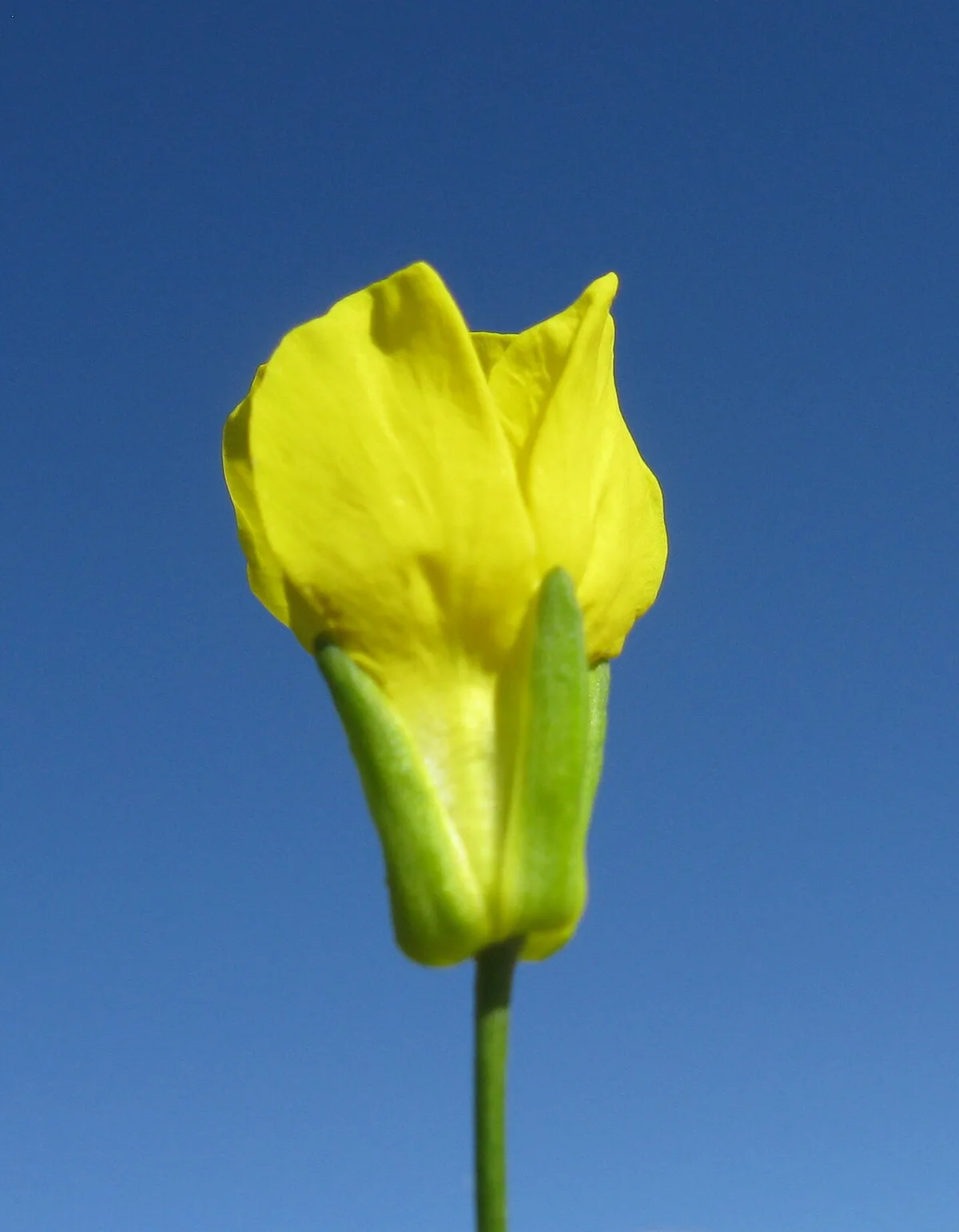
Image source: Wikimedia Commons / Harry Rose from South West Rocks, Australia (CC BY)
You can see how easily aphids can take over a plant. Letting this go unchecked, especially on a trap crop, can undermine your whole companion planting strategy.
- Using Chemical Sprays Alongside Companion Plants: This defeats the entire purpose. Chemical pesticides, even "organic" ones, often kill beneficial insects right alongside the pests. If you're relying on ladybugs or hoverflies, spraying will eliminate them, leaving you back at square one. Stick to water sprays or insecticidal soap only for targeted, heavy infestations.
Expert Tips for Maximizing Natural Aphid Deterrence
We've learned a lot over the years about what truly helps companion planting shine. It's not just about what you plant, but how you manage your garden as a whole. These tips come from years of practical application and observing what works best in real-world scenarios.
- Diversity is Your Best Friend: Don't just pick one or two companion plants; aim for a mix. Combining repellent plants with those that attract beneficials creates a much stronger, more resilient defense system. The more diverse your plant palette, the harder it is for pests to take hold.
- Observe Your Garden Regularly: A key part of natural pest control is being proactive. Walk through your garden daily, or at least every few days, checking the undersides of leaves, new growth, and flower buds for any signs of aphid activity. Early detection makes natural control much easier. If you spot a small cluster, you can often just blast them off with a strong stream of water.
- Encourage Beneficial Insect Habitats: Beyond just planting attractants, think about providing other resources for beneficial insects. A small shallow water source, some rocks for basking, or a patch of undisturbed mulch can make your garden even more welcoming for predators like ladybugs.
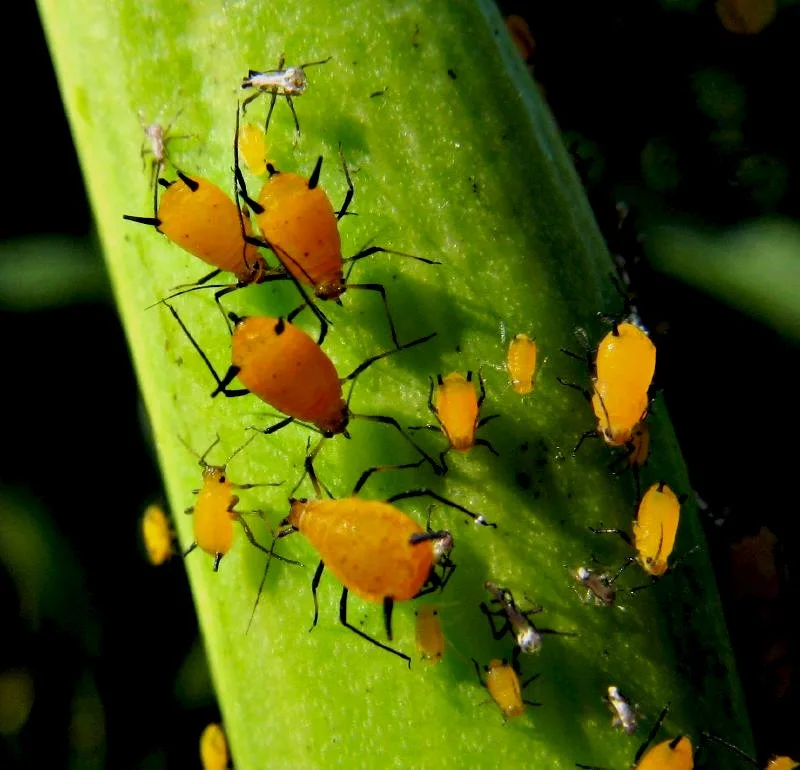
Image source: Wikimedia Commons / aroid from San Luis Obispo, CA, USA (CC BY)
This ladybug is a perfect example of the kind of beneficial insect you want to encourage. They're tiny warriors against aphids, and a well-designed companion planting scheme can bring them right to your doorstep.
- Maintain Soil Health: Healthy plants are more resistant to pests. Focus on building rich, organic soil with good drainage. Healthy soil microbes contribute to stronger plants, which can better withstand pest pressure. Use compost and avoid over-fertilizing, especially with nitrogen, which can lead to lush, soft growth that aphids love.
- Rotate Crops: While companion planting is great, crop rotation also plays a crucial role. Don't plant the same crops in the same spot year after year. This prevents pest populations, including aphids, from establishing permanent residence in your garden. For instance, if you had an aphid problem on your lettuce one year, plant something else in that spot next season.