Guide to Composting Food Scraps in a Small Apartment in 2026
Living in a small apartment often means making clever choices about space, but it doesn't mean you have to give up on being eco-conscious. Many folks wonder if composting food scraps in a small apartment is even practical, given the typical concerns about smells, pests, and limited room. We're here to tell you it's definitely possible, and often surprisingly easy.
The average American household, for example, generates over 2 pounds of food waste per day, and a lot of that ends up in landfills where it produces harmful methane gas. By composting indoors, you can significantly cut down on your household waste and create nutrient-rich soil right in your home. Let's dive into why this matters and how you can make it work for you.
Composting Food Scraps in Your Apartment: Is It Even Possible?
Yes, absolutely! Composting food scraps in an apartment isn't just a pipe dream; it's a very real and rewarding practice that countless urban dwellers embrace. The key is understanding that "composting" isn't a single, monolithic activity. It's a spectrum of methods, and several are perfectly suited for small, indoor spaces.
You're not aiming for a giant backyard pile here; you're looking for compact, efficient systems designed to break down organic matter without taking over your kitchen or living area. We've seen setups tucked neatly under sinks, on balconies, or even disguised as attractive pieces of furniture. It all comes down to picking the right method for your specific situation.
Why Bother Composting Food Scraps Indoors?
There are some really compelling reasons to start composting, especially when you're living in an apartment. First off, it's a huge win for the environment. When food waste goes to a landfill, it decomposes anaerobically (without oxygen), releasing methane, a potent greenhouse gas. Composting, especially aerobic methods, greatly reduces this methane production.
Beyond the environmental impact, you'll see a noticeable reduction in your household waste volume, meaning fewer trips to the dumpster. Plus, you get to create fantastic, nutrient-rich soil amendment. This "black gold" is perfect for nourishing houseplants, balcony gardens, or even sharing with friends who have outdoor spaces. It's truly a full-circle process that benefits your home and the planet.
Apartment Composting: Your Decision Tree Starts Here
Choosing the right apartment composting method isn't a one-size-fits-all situation; it's more like a personal journey. We'll walk you through a few key questions to help you narrow down the best option for your lifestyle and living space. Think of this as your personalized decision guide.
What's Your Space Situation?
This is probably the biggest factor for apartment dwellers, right? Are we talking about a tiny studio with zero counter space, or do you have a small balcony or a corner of the kitchen you can dedicate?
- Extremely Limited Space (e.g., studio apartment, no balcony): You'll need something super compact, likely an electric composter or a very small, well-sealed vermicompost bin. Odor control is paramount here.
- Moderate Space (e.g., small kitchen corner, under-sink cabinet, small balcony): You have more flexibility. A larger worm bin, a Bokashi system, or even a medium-sized electric composter could work. Ventilation might be a consideration.
- Some Outdoor Access (e.g., spacious balcony, shared patio): This opens up even more possibilities, especially for the secondary fermentation step of Bokashi or if you want to store a slightly larger worm bin outdoors.
How Much "Ick" Can You Handle?
Let's be real, composting involves decomposing food, and some methods are a bit more hands-on (or worm-on) than others. Your comfort level with organic matter, smells, and even live creatures (worms!) plays a big role.
- Zero Ick Factor (Hate bugs, don't want to touch anything slimy): An electric kitchen composter is probably your best bet. It's mostly a "set it and forget it" appliance that processes food waste into a soil amendment.
- Mild Ick Factor (Okay with natural processes, but not critters): Bokashi composting is a great fit. It's an anaerobic fermentation process that generally doesn't attract pests, and you won't be handling worms.
- High Ick Factor (Love nature, cool with worms, okay with occasional dirt): Vermicomposting is your jam! While it's very clean when done right, it does involve managing a bin full of red wigglers and their castings.
What's Your Budget Like?
Composting systems range from budget-friendly DIY options to more significant appliance investments. Think about what you're willing to spend initially and on ongoing supplies.
- Budget-Conscious: Vermicomposting can be incredibly cheap to start, especially if you build your own bin. You'll mainly pay for worms and bedding. Bokashi bins are also relatively inexpensive, though you'll need to buy Bokashi bran.
- Mid-Range Budget: Pre-made worm bins, more aesthetically pleasing Bokashi systems, or smaller, entry-level electric composters fall into this category.
- Higher Budget: The latest electric kitchen composters are typically the most expensive upfront investment, but they often offer the highest convenience and fastest processing times.
How Much Effort Are You Willing to Put In?
Composting requires some level of engagement, whether it's daily food scrap collection, occasional turning, or monitoring moisture.
- Low Effort (Set it and forget it): An electric composter is your champion here. You load it, push a button, and largely let it do its thing.
- Moderate Effort (Weekly or bi-weekly tasks): Bokashi composting requires daily collection of food scraps and sprinkling bran, plus a two-week fermentation period. Vermicomposting needs regular (but not daily) feeding and occasional moisture checks.
- Higher Effort (Enjoy a hands-on approach, don't mind learning): All methods have a learning curve, but vermicomposting can be more involved, especially if you're keen on optimizing worm health and compost quality.
Option 1: Vermicomposting (Worm Bins) for the Patient Gardener
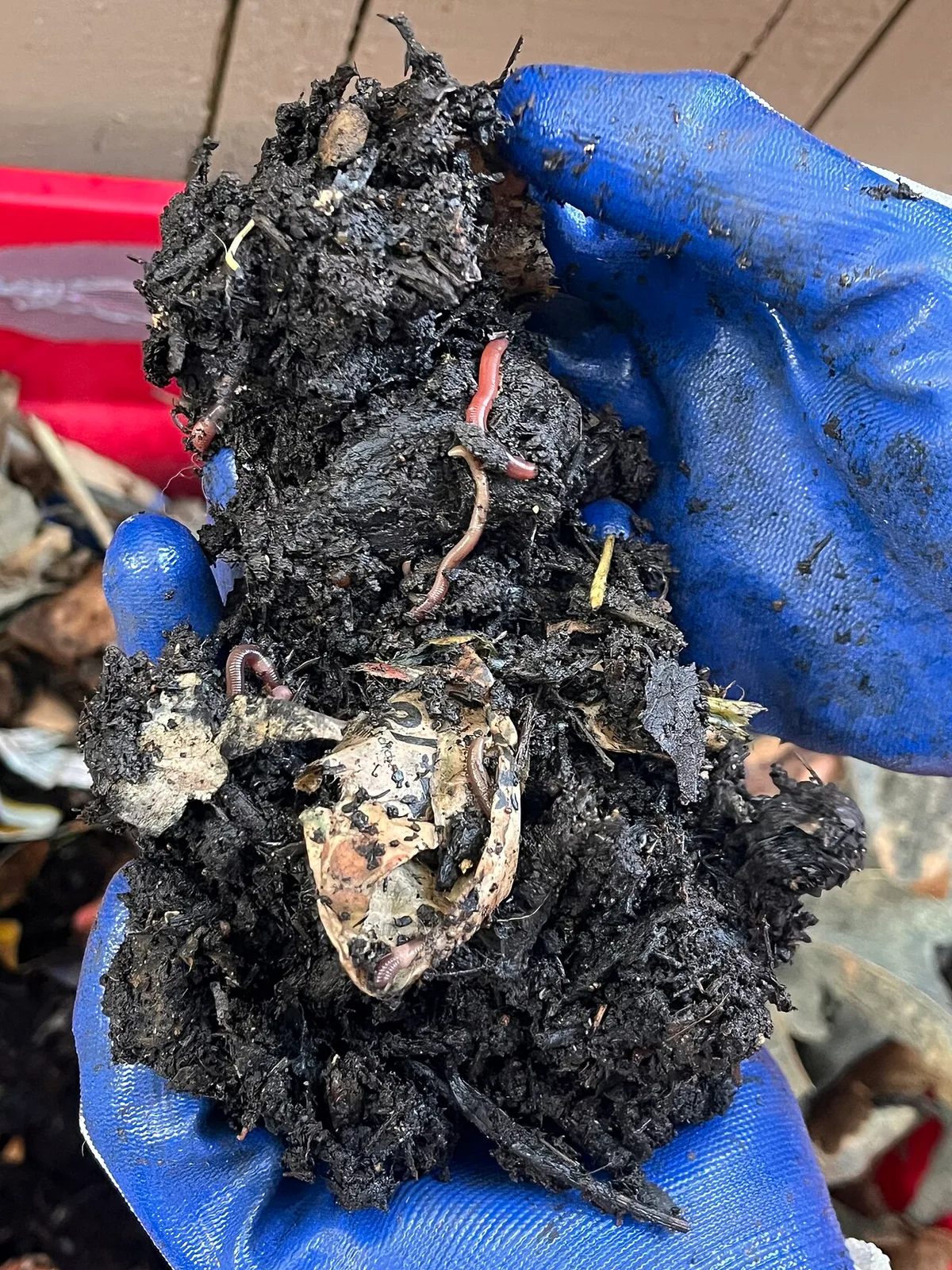
Vermicomposting, or worm composting, is a fantastic, natural way to break down your food scraps using a special type of earthworm called red wigglers (Eisenia fetida). These little superstars munch through organic matter, turning it into rich, dark compost called "worm castings" or vermicompost. It's a quiet, efficient system that works wonderfully in apartments.
How Vermicomposting Works
Think of a worm bin as a mini ecosystem. You provide the worms with a bedding (like shredded newspaper or cardboard), food scraps, and a dark, moist environment. The worms eat the food scraps, along with the microorganisms that are already breaking down the food. They digest it all, and what comes out the other end is that amazing vermicompost.
This material is packed with nutrients and beneficial microbes, making it a superfood for plants.
Pros and Cons of Worm Bins
Like any method, vermicomposting has its upsides and downsides for apartment living. We've laid them out simply for you.
Pros:
- Low Cost: Often the most affordable method to start, especially if you DIY your bin. Worms are a one-time purchase, and bedding can often be free (recycled paper).
- Highly Effective: Produces incredibly nutrient-dense compost, far richer than traditional compost, which is fantastic for houseplants or small gardens.
- Quiet & Odorless (When Managed Well): A healthy worm bin has an earthy smell, not a foul one. Worms don't make noise.
- Educational: It's a fascinating process, especially if you have kids or are just curious about natural decomposition.
Cons:
- Live Organisms: You're managing living creatures, which means monitoring their environment (temperature, moisture) and food intake.
- Temperature Sensitive: Red wigglers thrive between 55-77°F (13-25°C). Extreme apartment temperatures can harm them.
- Pest Potential (If Mismanaged): Overfeeding or adding inappropriate foods can attract fruit flies or other undesirable guests.
- Takes Up Space: While compact, it still needs a dedicated spot out of direct sunlight.
- Slower Process: It takes a few months to get finished compost, as worms work at their own pace.
Setting Up Your Worm Bin: A Step-by-Step
Getting your worm farm going is easier than you might think. Here’s a basic run-through.
- Choose Your Bin: You can buy ready-made worm bins, which often have multiple trays, or make one from opaque plastic storage containers. Ensure it has drainage holes and air holes.
- Prepare the Bedding: Fill the bottom 6-8 inches of your bin with moist, shredded newspaper, cardboard, or coconut coir. It should feel like a wrung-out sponge.
- Introduce Your Worms: Gently place your red wigglers on top of the bedding. They'll burrow down on their own to escape the light. Give them a day or two to settle in before their first meal.
- Find a Spot: Place the bin in a cool, dark place where the temperature stays consistent. Under a sink, in a closet, or a shaded balcony corner works well.
Feeding Your Worms: What They Love (and Hate)
Worms aren't picky, but they do have preferences. Feeding them the right stuff is crucial for a happy, healthy bin and to avoid odors and pests.
Worm Favorites (Greens):
- Fruit and vegetable scraps (avoid citrus in large quantities, as it can be too acidic).
- Coffee grounds and filters.
- Tea bags (staples removed).
- Crushed eggshells (adds grit for digestion and calcium).
What to Avoid (Browns and other no-nos):
- Meat, dairy products, and oily/greasy foods: These can attract pests and create foul odors as they decompose.
- Citrus peels in large amounts: Can make the bin too acidic for worms.
- Onions and garlic: Worms generally avoid these strong-smelling items.
- Processed foods, bread, pasta: These can attract mold and pests.
- Pet waste: Contains pathogens that shouldn't be composted with food.
- Diseased plants: Don't want to spread plant diseases.
Start by feeding them small amounts, about half their body weight per day if you have a lot of worms, but often much less for a small apartment bin. Bury the food scraps under the bedding to prevent fruit flies.
Troubleshooting Worm Bin Problems (Odors, Pests, Unhappy Worms)
Most problems with a worm bin come down to a few common issues that are easy to fix once you know what to look for.
- Bad Odors: This usually means you're overfeeding, adding too much "wet" food, or the bin isn't getting enough air. Stop feeding for a few days, gently aerate the bedding, and add some dry, shredded paper or cardboard to soak up excess moisture.
- Fruit Flies/Gnats: Often a sign of food exposed on the surface. Bury food scraps deeply in the bedding. If they persist, reduce feeding for a bit.
- Worms Trying to Escape: This indicates something is wrong with their environment, too wet, too dry, too acidic, or too hot. Check moisture and temperature, and ensure you're not overfeeding. They might also be trying to escape if you've recently added food they don't like.
- Slow Decomposition: If food isn't breaking down, you might not have enough worms for the amount of food you're adding, or the food pieces are too large. Chop scraps into smaller pieces, or consider adding more worms.
Option 2: Bokashi Composting for Speedy Fermentation
Bokashi composting is an anaerobic (oxygen-free) fermentation method that's gaining popularity among apartment dwellers for a very good reason: it’s incredibly fast and fantastic for odor control. Unlike traditional composting which aims to decompose food, Bokashi actually ferments it using beneficial microorganisms.
How Bokashi Works
You add food scraps to a sealed Bokashi bin, sprinkling each layer with special Bokashi bran, which is inoculated with effective microorganisms (EM). These microbes ferment the food waste, pickling it essentially. This process breaks down the food into a pre-compost state that, while not fully broken down into soil, is ready to be quickly integrated into garden soil or a secondary composting method. It takes roughly two weeks for the fermentation to complete in the bin.
Pros and Cons of Bokashi Bins
Bokashi is a unique option with some distinct advantages and a couple of things to keep in mind.
Pros:
- Odor Control: Because it's an anaerobic fermentation, it generally produces a sweet, pickly smell, not a rotting one. The sealed bin contains odors very well.
- Handles Almost All Food Scraps: You can put meat, dairy, bones, and oily foods into a Bokashi system, which is a major advantage over vermicomposting or traditional methods.
- Compact & Clean: Bokashi bins are sealed and can fit easily under a sink or in a small corner. There's no dirt or mess involved, as you're not working with soil or worms directly.
- Fast Initial Processing: The fermentation process itself only takes about two weeks.
Cons:
- Not Finished Compost: The fermented product isn't ready-to-use soil amendment; it needs a secondary step, usually burying it in soil or adding it to a larger compost pile. This can be a challenge for apartment dwellers without a garden or community compost access.
- Requires Ongoing Supplies: You'll need to regularly purchase Bokashi bran, which is an ongoing cost.
- Anaerobic Smell: While not "rotting," some people find the fermented smell (like pickles or cider vinegar) a bit strong when they open the bin.
- "Compost Tea" Management: Bokashi bins produce a liquid (often called "compost tea" or leachate) that needs to be drained regularly. While it can be diluted and used as a plant fertilizer, if it's not drained, it can lead to foul odors.
Getting Started with Bokashi: A Simple Guide
Setting up a Bokashi system is quite straightforward. Here's what you need to do.
- Get Your Bin: Buy a dedicated Bokashi bin, which will have a spigot for draining liquid and a tight-fitting lid.
- Add Food Scraps: Each time you add food scraps, layer them evenly in the bin. Chop larger pieces into smaller ones to speed up fermentation.
- Sprinkle Bokashi Bran: For every layer of food scraps, sprinkle a handful (about 1-2 tablespoons) of Bokashi bran over the top. This is the magic ingredient!
- Press Down & Seal: Use a plate or a potato masher to press down the food scraps, removing as much air as possible. Then, seal the lid tightly. Oxygen is the enemy of Bokashi.
- Drain Liquid: Every 2-3 days, drain the liquid from the spigot at the bottom. This "Bokashi tea" is concentrated and needs to be diluted 1:100 with water before using on plants. If it smells putrid, it wasn't drained often enough.
- Ferment: Once the bin is full, seal it completely and let it ferment for two weeks. Don't open it during this time.
What to Do with Your Fermented Bokashi "Pre-Compost"
This is the crucial step for apartment dwellers, as the Bokashi process only gets you to "pre-compost." It's fermented, not fully broken down soil.
- Bury It: The ideal scenario is to bury the fermented material directly into garden soil. It breaks down incredibly fast once introduced to aerobic conditions, typically in 2-4 weeks as of 2026. This is perfect if you have a balcony garden or access to a community plot.
- "Soil Factory" Method: You can mix the fermented Bokashi with potting soil in a large container. Layer the Bokashi with soil, let it sit for a few weeks, and it will integrate, creating rich soil for your plants.
- Community Drop-Offs: Some cities have community composting programs that accept Bokashi pre-compost. Check with your local waste management services.
- Add to Existing Compost Pile: If you have friends or family with a traditional backyard compost pile, they'll likely welcome your Bokashi additions, as it jumpstarts decomposition.
Option 3: Electric Kitchen Composters for Convenience Seekers
If the thought of worms or fermentation makes you squirm, electric kitchen composters might be your perfect match. These appliances are designed to rapidly process food scraps indoors, offering unparalleled convenience and speed. They don't actually "compost" in the traditional sense, but they dehydrate, grind, and cool food waste, reducing its volume significantly and creating a sterile, dry soil amendment.
How Electric Composters Work
Most electric composters operate on a similar principle: they heat food scraps to dehydrate them, then grind them into a much smaller, drier material. Some models also include a cooling phase. This process significantly reduces the volume of your food waste, often by 80-90%, and eliminates odors. The resulting product isn't active compost, but rather a nutrient-rich soil amendment you can mix into potting soil or garden beds.
Pros and Cons of Electric Composter Machines
Electric composters are a modern solution, and they come with their own set of benefits and considerations.
Pros:
- Speed: They process food waste very quickly, usually within 3-8 hours, depending on the model and contents.
- Extreme Volume Reduction: You'll see a dramatic decrease in the sheer amount of food waste you're dealing with.
- Odorless Operation: Most models come with carbon filters that effectively eliminate odors during the process.
- Handles Most Food Types: Like Bokashi, many can handle meat, bones, and dairy, making them very versatile.
- Low Effort: It's largely a "fill and forget" appliance.
Cons:
- Cost: Electric composters are the most expensive option upfront, with models ranging from a few hundred to several hundred dollars.
- Energy Consumption: They use electricity, though many are designed to be quite energy-efficient for their task. Manufacturer specifications typically indicate kWh per cycle.
- Not True Compost: The output is a sterile, dry material. It lacks the beneficial microbes of active compost and needs to be mixed into soil to further break down and integrate nutrients.
- Noise: While generally quiet, they do make some noise during the grinding phase, which might be a factor in very small apartments.
- Maintenance: Requires regular cleaning and filter replacement, which is an ongoing cost.
Choosing Your Apartment Composting Method: A Quick Comparison
Deciding which apartment composting method is right for you can feel a bit overwhelming with so many options. To help make your choice clearer, we've put together a quick comparison of the three main approaches we've discussed: vermicomposting, Bokashi, and electric composters. This table highlights key differences to guide your decision.
| Feature | Vermicomposting (Worm Bins) | Bokashi Composting | Electric Kitchen Composter |
|---|---|---|---|
| Primary Process | Aerobic decomposition by worms | Anaerobic fermentation by microbes | Dehydration, grinding, cooling |
| Speed | Slow (2-3 months for compost) | Fast fermentation (2 weeks) | Very Fast (3-8 hours) |
| Output | Nutrient-rich vermicompost | Fermented pre-compost | Dry, sterile soil amendment |
| Odor Control | Good (earthy smell if healthy) | Excellent (sealed bin, pickly) | Excellent (carbon filters) |
| Pest Attraction | Possible if mismanaged | Unlikely in sealed bin | Unlikely |
| Food Scraps | Veggies, fruit, coffee grounds | Almost all food scraps | Almost all food scraps |
| Initial Cost | Low to Moderate | Moderate | High |
| Ongoing Cost | Minimal (bedding) | Moderate (Bokashi bran) | Moderate (filters, energy) |
| Space Footprint | Moderate (bin under sink/table) | Small (under sink/counter) | Small (countertop appliance) |
| Effort Level | Moderate (feeding, monitoring) | Moderate (daily scraps, draining) | Low (fill, press button) |
| Best For… | Patient gardeners, houseplant lovers, those okay with worms. | Those wanting to compost all food types, with access to garden soil for burying. | Convenience-seekers, those wanting rapid volume reduction, minimal hands-on. |
Apartment Composting: Expert Tips for Success
No matter which method you choose, a few general tips can make your apartment composting journey smoother and more successful. These insights come from folks who've been doing this for years.
- Chop It Small: Break down your food scraps into smaller pieces. This increases the surface area for worms or microbes to work on, significantly speeding up the decomposition or fermentation process.
- Maintain Balance: For vermicomposting, think "greens" (food scraps) and "browns" (shredded paper, cardboard). Maintaining a good carbon-to-nitrogen ratio helps prevent odors and keeps your worms happy. With Bokashi, consistent layers of bran are key.
- Listen to Your Bin (or Machine): If you notice a foul smell, that's your system telling you something is off. Investigate immediately. Similarly, unusual noises from an electric composter might signal it needs attention.
- Educate Yourself: While we've covered the basics, a little extra reading on your chosen method can go a long way. University Extension programs, for example, offer excellent, research-backed guides on home composting.
Common Apartment Composting Mistakes to Avoid
Even with the best intentions, it's easy to make a few missteps when you're just starting out. Learning from common errors can save you a lot of frustration.
- Overfeeding Your System: This is probably the number one mistake, especially with worm bins. Too much food, too quickly, leads to anaerobic conditions, bad smells, and can attract pests. Start small and increase gradually.
- Ignoring Moisture Levels: A healthy worm bin needs to be like a wrung-out sponge, not soaking wet or bone dry. Bokashi needs to stay sealed to maintain its anaerobic environment, so don't open it too often.
- Not Draining Bokashi Liquid: For Bokashi systems, failing to regularly drain the "compost tea" can lead to putrid odors and an unhealthy environment for fermentation.
- Placing Bins in Direct Sunlight: High temperatures can kill worms or create unpleasant smells in any composting system. Always keep your bins in a cool, shaded spot.
- Giving Up Too Soon: There's a learning curve to any new skill. If you run into a problem, don't get discouraged. Most issues are easily fixable with a little troubleshooting.
What to Do with Your Finished Compost
So, you've successfully composted your food scraps. Now what? The beauty of apartment composting is getting that valuable end product.
- Houseplants and Container Gardens: This is often the primary use for apartment dwellers. Mix your finished vermicompost or electric composter output into the top few inches of soil in your potted plants. For Bokashi pre-compost, it needs to be mixed into soil and allowed to fully break down for a few weeks before planting.
- Balcony or Patio Gardens: If you have outdoor containers for herbs, vegetables, or flowers, your compost is an amazing soil amendment. It boosts soil structure, water retention, and nutrient availability.
- Community Gardens or Drop-Offs: Many urban areas have community gardens that welcome compost donations. Some cities also offer designated drop-off points for finished compost or Bokashi pre-compost. Check with your local municipal waste management department for options.
- Share with Friends: If you have gardening friends or family, they'll likely be thrilled to receive some of your homemade "black gold." It's a fantastic, eco-friendly gift!
FAQs About Composting in Small Spaces
We hear a lot of similar questions from people considering apartment composting. Here are some of the most common ones we encounter.
Will my apartment smell bad?
No, not if managed correctly. Healthy composting systems should have an earthy or slightly sweet/pickly smell. Foul odors almost always signal an issue, like overfeeding or improper moisture, which can be quickly corrected. Electric composters and well-sealed Bokashi bins are particularly good at odor containment due to their design.
What about pests like fruit flies or gnats?
Pests like fruit flies are primarily attracted to exposed, rotting food. To avoid them: always bury food scraps under bedding in worm bins, ensure Bokashi bins are tightly sealed, and keep electric composters closed. If you do get them, reduce feeding, dry out the top layer with shredded paper, and ensure all food is covered.
Can I compost all types of food scraps?
It depends on the method. Vermicomposting is best for fruit and vegetable scraps, coffee grounds, and tea bags. Avoid meat, dairy, and oily foods. Bokashi and electric composters, however, are designed to handle almost all food waste, including meat, dairy, and bones, making them more versatile for general kitchen waste diversion.