Guide to Low Maintenance Native Plants Drought Tolerant
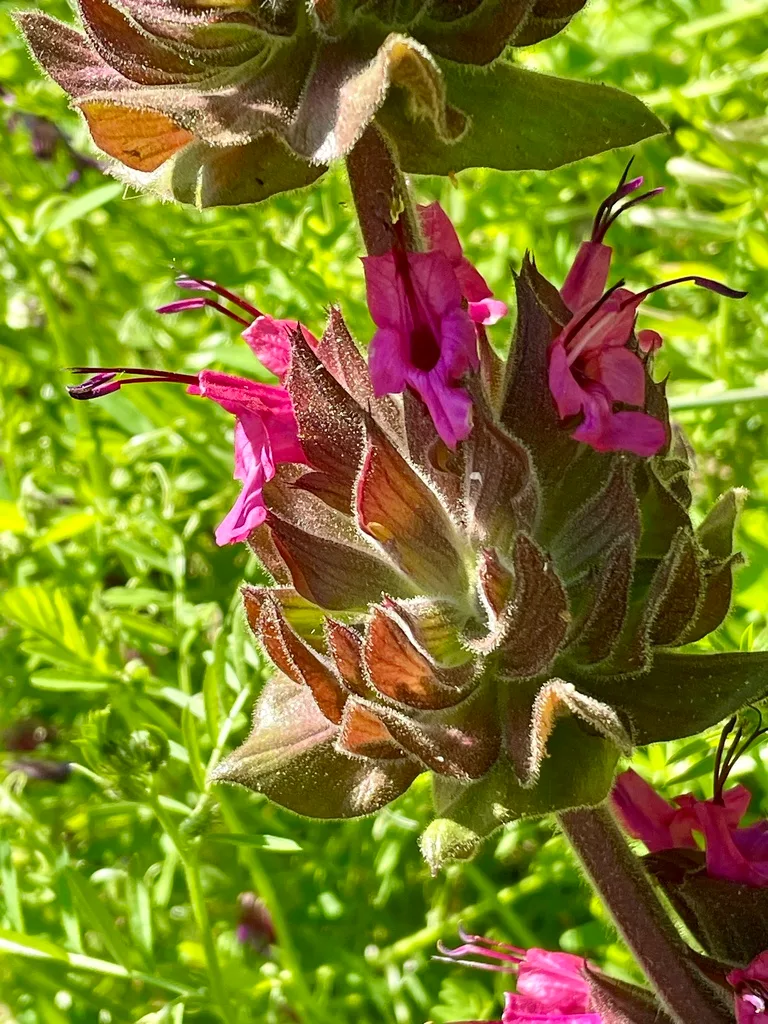
You’re probably thinking about swapping your thirsty lawn for something that just… works. Low maintenance native plants drought tolerant isn’t a single shopping list, it’s a puzzle where every piece has to fit your specific patch of earth. The wrong choice can leave you with a sad, brown yard that needs more water than you saved.
The biggest mistake isn’t picking a plant that can survive dry conditions, but picking one that’s wrong for your microclimate. As of 2026, local water restrictions are only getting tighter, making the right choice both an ecological and practical necessity. Let’s figure out what “right” means for your garden.


Why the "Right" Drought-Tolerant Native Plant Depends Entirely on Your Yard
If there was one perfect plant, we’d all have it. But your neighbour’s stunning native meadow might turn into a fungal mess in your heavy clay soil. That’s because "drought tolerant" and "low maintenance" are conditional traits. They depend on matching a plant’s evolved needs to your specific conditions: sun, soil, slope, and rainfall pattern.
We’re building a workflow, not a recipe. Think of it as a decision tree where each answer leads you to the next question, eventually pointing to plants that will thrive with minimal fuss.
Your First Task: Map Your Yard's Microclimates
Before you look at a single plant tag, you need to become a detective in your own garden. Grab a notebook and walk your property at different times of day. You’re looking for microclimates, small zones that behave differently from the rest.
The Sun & Soil Audit
Start by tracking sun exposure. Note which areas get full, baking sun all day and which are shaded by trees or structures by afternoon. This alone will split your plant options in half. Next, get your hands dirty.
Perform a simple jar test on your soil: shake soil and water in a jar, let it settle, and measure the layers. Is it mostly sand, silt, or clay? This tells you about drainage and water retention. Most native plants are fussy about soil pH too.
A cheap test kit from a garden centre will show if you’re dealing with acidic, neutral, or alkaline soil. These three factors, sun, texture, and pH, are the non-negotiable filters for your plant search.
Drainage: The Silent Deal-Breaker
There’s a cruel irony in drought-tolerant plants: many will rot if left in constantly soggy soil. Dig a hole about a foot deep in a few spots. Fill it with water. If it takes more than a few hours to drain, you have a drainage problem.
Plants like California lilac or manzanita will struggle here. Instead, you’ll need to look for species that tolerate occasional wet feet or amend the area heavily with organic matter. Conversely, if you have a slope that dries out in hours, you’ll need plants with serious deep-rooting power.


Getting Specific: Your Ecoregion is More Important Than Your State
Here’s where most guides fail. They’ll say, “For California, try this.” But California has deserts, redwood forests, and coastal sage scrub. A plant native to the Mojave Desert is not native to San Francisco. You need to identify your local ecoregion.
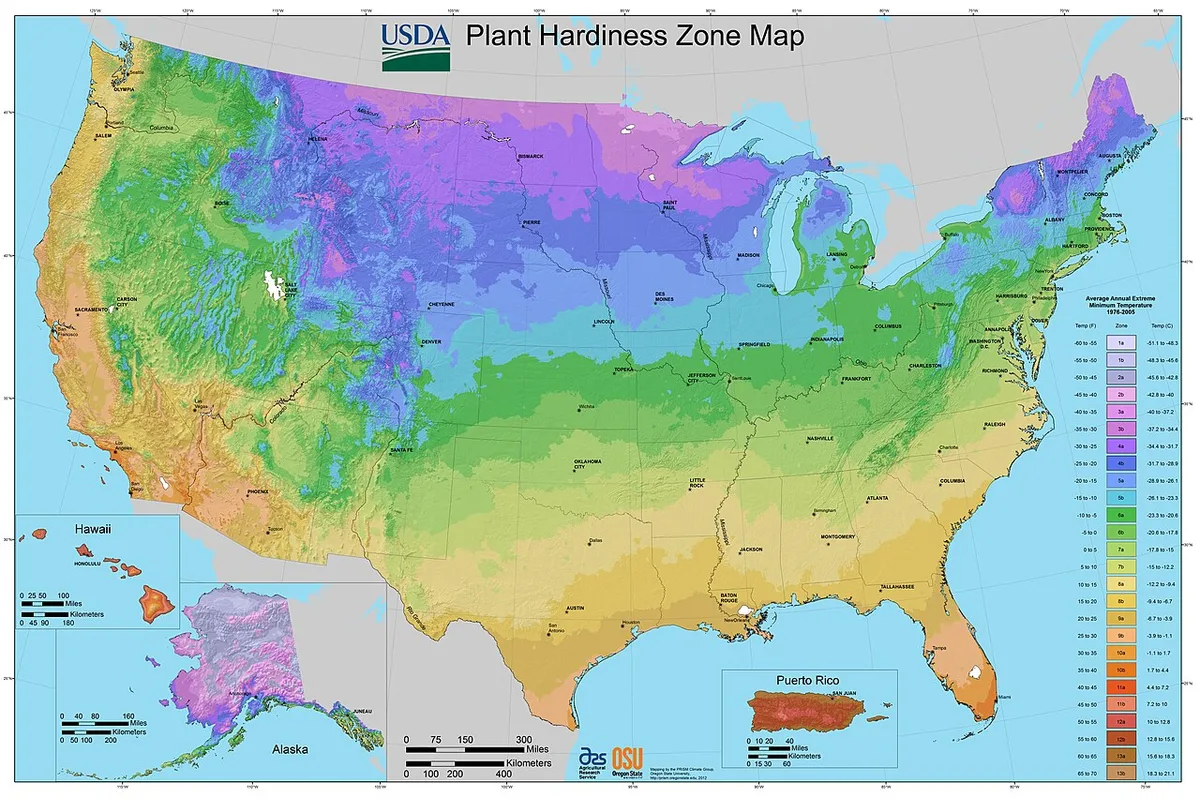
This is a geographic area defined by its climate, soil, and native species mix. The USDA Plants Database and many university extension services have online maps. Are you in a coastal fog zone, a high desert, or a prairie region? This specificity is what separates a garden that merely survives from one that explodes with life, supporting the exact pollinators and birds adapted to that zone.
Building Your Shortlist: Plant Types for Every Space
Now we can start grouping plants by their role. This helps translate your site audit into actionable lists.
Grasses & Groundcovers (The Living Carpet)
These are your workhorses for filling space and suppressing weeds. Look for species like California fescue (Festuca californica) for part-shade or blue grama grass (Bouteloua gracilis) for sunny, dry areas. They knit the soil together and provide habitat. The key is matching their growth habit to the site, some spread, some clump, and mature size varies wildly.
Perennials & Flowers (For Color & Pollinators)
This is where you get seasonal fireworks. Think purple coneflower (Echinacea purpurea) in the Midwest, or California poppy (Eschscholzia californica) in the West. The critical metric is bloom time. You want a succession of flowers from early spring to late fall so the garden never looks dead.
Always check that the cultivar you’re buying hasn’t had its flower structure bred into a sterile, pom-pom shape that bees can’t access.
Shrubs & Small Trees (Structure & Privacy)
These provide the bones of the garden. Options range from the silvery, sculptural Apache plume (Fallugia paradoxa) in the Southwest to the tough, shade-tolerant Pacific wax myrtle (Morella californica) on the coast. Pay close attention to mature height and spread. It’s heartbreaking to spend years watching a shrub grow, only to realise it’s crowding your walkway or windows.
Give them the space they need from day one.


The Nativar Trap: When "Native" Isn't So Native
You’ll see plants labelled "nativars" at big box stores. These are cultivated varieties, often selected for unusual flower colours or leaf variegation. The problem? These traits can come at a cost.
A deep purple leaf might lack the specific chemical cues that tell a butterfly egg where to land. A double-flowered variety might be beautiful to you but useless to a bee, as it hides the pollen and nectar. If your goal is true low maintenance and supporting local ecology, seek out "local ecotype" plants. These are grown from seed collected in your specific region, preserving the genetic blueprint that wildlife expects.
It’s the difference between planting a fast-food outlet for pollinators and a full-service restaurant.
Your Step-by-Step Planting & Establishment Plan
You’ve mapped your site and chosen your plants. Now, the make-or-break phase begins. "Drought-tolerant" is a promise made for the future, contingent on you getting the first two years right. This is your establishment period, and it demands more attention than you might think.
Sourcing: Finding True Local Ecotypes
Skip the big box store if you can. Your first stop should be a reputable native plant nursery, often found through your state’s native plant society. Explain your site conditions and show them your ecoregion map. Ask specifically for local ecotype stock.
If you must buy seed, look for companies that specify the collection location (county and state). This genetic match is what gives the plant its true drought resilience and wildlife value.
The First Two Years: Your "Drought-Tolerant" Water Schedule
This is where most projects fail. Here is a typical deep-watering schedule for the first season. Water deeply right after planting to settle the soil. Then, water once a week for the first month.
After that, gradually reduce frequency but increase the depth, soaking the root zone, not just the surface. In the second year, water only during prolonged dry spells. By year three, most established natives should thrive on rainfall alone, except in extreme drought. Mulch with gravel or crushed rock in desert regions, or arbor chips in woodland areas.
Keep mulch away from the plant stems to prevent rot.


Landscaping with Natives: Design Goals vs. Reality
Your aesthetic preference will steer your final plant choices. Be honest about the look you want, as it conflicts with some ecological ideals.
For Habitat & Wildlife
This is the purest form. Think in layers: canopy trees, understory shrubs, herbaceous perennials, and groundcovers. Prioritize plants that offer food (berries, seeds, nectar) and shelter. This means letting some seed heads stand through winter and leaving leaf litter under trees.
It looks "messy" to a tidy suburban eye but is paradise for birds and insects.
For Minimalist, Clean Looks
You can still use natives. Focus on structural plants with fine, uniform foliage and tidy habits, like switchgrass (Panicum virgatum) cultivars or dwarf coyote brush (Baccharis pilularis 'Pigeon Point'). Use gravel mulch and hardscaping to create defined lines. This approach sacrifices some wildlife value for visual calm but retains the water-saving core benefit.
For Erosion Control on Slopes
Here, speed is critical. You need fast-spreading groundcovers or fibrous-rooted grasses immediately. Options like creeping raspberry (Rubus ursinus) or native bunchgrasses work well. Use jute mesh to stabilise the soil until roots take hold.
Avoid plants that need perfect drainage if your slope holds water after rains.
The Uncomfortable Truths & Common Mistakes
Let’s clear up the romantic notions. Working with nature has its frustrations.
"Drought-Tolerant" Doesn't Mean "Ignore Me"
That first summer is a critical test. You must water, even plants labelled as drought-proof. Think of it as a training period for the roots. They need to grow deep to find moisture.
If you abandon them, you’ve wasted time and money.
Overwatering is the #1 Killer
Once established, too much water is worse than not enough. It creates weak growth, invites fungal diseases, and defeats the purpose. If in doubt, don’t water. Stick your finger a few inches into the soil.
If it’s dry, maybe it’s time. If it’s damp, walk away.
Dormancy is Not Death
Many native perennials, especially in Mediterranean and prairie climates, die back to the ground completely in summer or winter. Homeowners often rip them out, thinking they’ve failed. Learn the cycle of your plants. A brown clump of grass in August might be a dormant Muhlenbergia, ready to green up with the fall rains.
Your Decision Guide: Putting It All Together
We’ve thrown a lot at you. Let’s simplify it into a final filter.
Quick-Fire Questions to Find Your Perfect Plant
Answer these in order:
- What is my ecoregion and soil type? (If you don’t know, stop and find out.)
- How much sun does the spot get? (Full, part, shade)
- What is the mature size of the plant, and do I have that space?
- Is my goal primarily ecological, aesthetic, or functional (e.g., slope control)?
- Am I buying a local ecotype or a potentially sterile navivar?
Example Plant Palettes for Common Scenarios
Scenario: A dry, sunny hell strip in Los Angeles.
Solution: Dymondia (Dymondia margaretae) as a tough, grey groundcover. Add clumps of California buckwheat (Eriogonum fasciculatum) for height and bees.
Scenario: A shady backyard slope in the Pacific Northwest.
Solution: A mix of evergreen ferns like deer fern (Blechnum spicant) and spreading Oregon grape (Mahonia repens) for structure and berries.
Scenario: A formal-looking rain garden in clay soil (Midwest).
Solution: Switchgrass (Panicum virgatum) for upright lines and cardinal flower (Lobelia cardinalis) for summer red spikes near the wetter centre.
The goal isn’t a sterile list of species. It’s a resilient, living system that gets stronger with each passing season, saving you water, time, and worry.



Similar Posts