Guide to Companion Plants That Attract Beneficial Insects
Are you tired of battling garden pests with endless sprays or feeling like you're constantly losing the fight against aphids, squash bugs, or cabbage worms? Many gardeners face the frustrating cycle of pest outbreaks, leading to damaged plants and diminished harvests. The good news is that Mother Nature offers a fantastic solution: companion plants that attract beneficial insects, turning your garden into a self-sustaining ecosystem for natural pest control.
Imagine a garden where ladybugs, lacewings, and parasitic wasps are on patrol, diligently protecting your precious plants. Our research indicates that incorporating insectary plants can reduce pest populations by up to 60% compared to untreated plots, according to studies on specific crop systems as of 2026. This isn't just about pretty flowers, it's about smart, ecological gardening, and we're going to walk you through exactly how to make it work in your own backyard.
Tired of Garden Pests? Let's Talk Natural Pest Control
Let's be honest, dealing with garden pests can really suck the joy out of gardening. You spend all that time planting, watering, and nurturing, only to see your hard work munched on by aphids, riddled with holes by cabbage worms, or sucked dry by whiteflies. It's disheartening, and for many, the go-to solution has been reaching for chemical pesticides.
But those sprays often kill indiscriminately, taking out the good guys right along with the bad. This creates a reliance on chemicals and can harm the very ecosystem you're trying to grow food in. We've seen firsthand how breaking that cycle and inviting nature's own pest control squad can transform a garden from a constant struggle into a thriving, balanced space.
The Big Idea: Companion Plants, Beneficial Insects, and a Happier Garden
The core principle here is simple yet powerful: use specific plants, often called "insectary plants," to provide food and shelter for beneficial insects. These aren't just any bugs, they're the predators and parasites that feed on or lay their eggs inside the pests that damage your crops. It's a natural pest control strategy known as Integrated Pest Management (IPM), with companion planting as a cornerstone.
Think of it like building a mini-hotel and restaurant for your garden's heroes. If they have a reliable food source (nectar and pollen) and safe places to live, they'll stick around. Once settled, they'll patrol your plants, keeping common pests like aphids, spider mites, and even caterpillars in check. This approach boosts garden biodiversity and creates a much healthier, more resilient environment.
How It Works: Inviting Your Garden's Best Allies for Pest Patrol
So, how do these companion plants actually bring in the beneficial bugs? It primarily comes down to two things: sustenance and habitat. Many beneficial insects, especially adults, rely on nectar and pollen for energy and reproduction. They need accessible flowers, often with shallow or open structures, to reach these vital resources.
The plants also offer shelter from harsh weather and predators, and sometimes even a place for them to lay their eggs. For instance, plants with hollow stems can be ideal nesting sites for certain solitary parasitic wasps. By carefully selecting and placing these plants, you create an irresistible invitation for your garden's best defenders, encouraging them to set up permanent residence right where you need them most.
Your Step-by-Step Guide to a Beneficial Insect Garden
Building a garden that actively attracts beneficial insects isn't rocket science, but it does benefit from a bit of planning. Think of this as your personalized workflow, adapting to what your garden needs. We'll guide you through making smart choices that really pay off.
Step 1: Know Your Garden (and Your Pests!)
Before you even think about buying seeds, take a good, honest look at your garden. What kind of sunlight does it get? What's your soil like? More importantly, what pests usually cause you grief?
If aphids are your archenemy, you'll pick different allies than if squash bugs are constantly winning.
- Assess your space: Note down sun exposure (full sun, partial shade), soil type (sandy, clay, loam), and available area.
- Identify your usual suspects: Keep a garden journal. What pests show up year after year? When do they appear? Knowing your enemy helps you choose targeted solutions.
- Understand your climate: Your hardiness zone dictates which plants will thrive, ensuring they can provide consistent resources for your beneficials.
Knowing your specific challenges is the first branch in our decision tree. If you're mainly dealing with soft-bodied pests like aphids, you'll lean towards plants that attract ladybugs, lacewings, and hoverflies. If you're battling caterpillars, parasitic wasps become key players. We'll dive into those specific pairings next.
Step 2: Meet the Good Guys – Key Beneficial Insects
Now that you know your garden's problem spots, let's get acquainted with the beneficial insects who are ready to help. These aren't just generic "good bugs," each group has its specialties and preferred plants. Understanding them helps you choose the right companion plants to attract them.
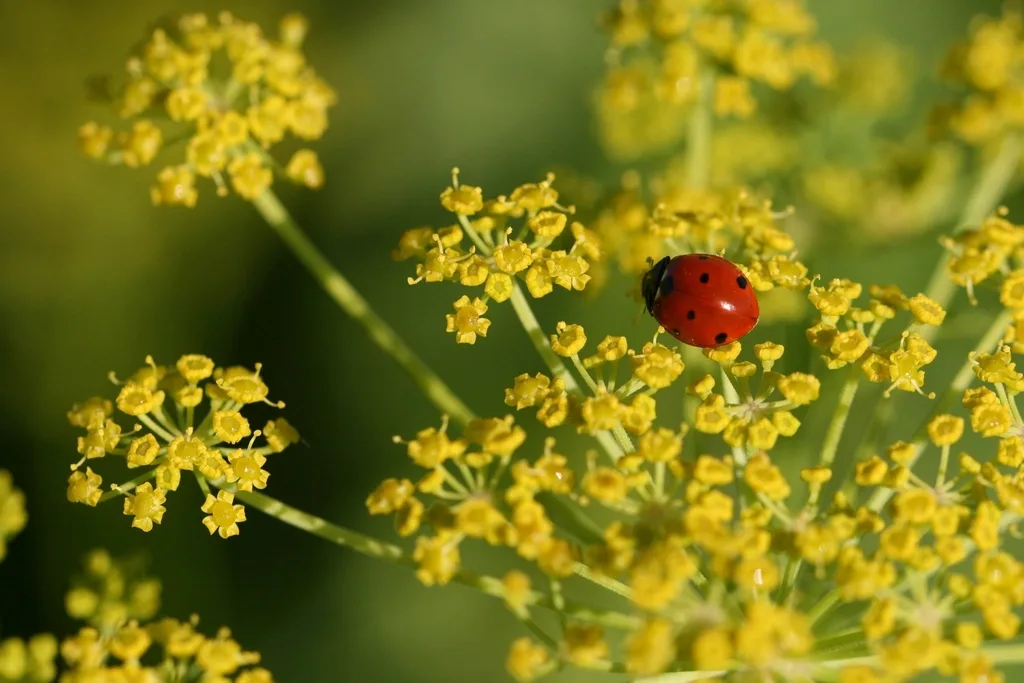
- Ladybugs (Lady Beetles): These iconic beetles, both in their adult and larval stages, are voracious predators of soft-bodied pests like aphids, scale insects, and mealybugs. A single ladybug larva can consume hundreds of aphids before pupating.
- Lacewings (Green and Brown): Lacewing larvae, sometimes called "aphid lions," are fierce predators that feast on aphids, thrips, whiteflies, and spider mites. Adults often feed on nectar and pollen, which is how you attract them.
- Hoverflies (Syrphid Flies): These bee-mimicking flies are fantastic pollinators, but their larvae are true aphid assassins. They'll devour aphids and other small pests, making them a dual-purpose hero in your garden.
- Parasitic Wasps: These tiny wasps (often less than a quarter-inch long) lay their eggs inside or on pests like aphids, cabbage worms, and tomato hornworms. Their larvae then hatch and consume the host from the inside out, effectively mummifying the pest.
Step 3: Picking the Perfect Plant Partners for Your Pests
Okay, here's where the decision tree really comes alive. Based on the pests you identified in Step 1, you'll choose specific plants that are known to attract their natural enemies. We're looking for plants with features like small, accessible flowers rich in nectar and pollen, and sometimes even shelter.
Plants for Ladybugs and Lacewings
If aphids, whiteflies, and spider mites are bothering you, focus on plants that provide continuous nectar and pollen for adult ladybugs and lacewings. They'll lay their eggs nearby, and then their hungry larvae get to work.
- Sweet Alyssum: This low-growing annual forms a dense mat of tiny flowers, perfect for small beneficial insects to land and feed. Its extended bloom time makes it a powerhouse for attraction.
- Dill: An herb with flat-topped clusters of yellow flowers (umbels) that are a favorite of many beneficials, including ladybugs.
- Coriander/Cilantro: Like dill, its umbelliferous flowers are excellent for attracting a wide range of beneficials.
- Cosmos: Varieties with open, single flowers offer easy access to pollen and nectar.
- Yarrow: A perennial herb with flat-topped flower clusters, providing long-lasting food sources.
Plants for Parasitic Wasps and Hoverflies
These beneficials are fantastic against caterpillars, aphids, and other soft-bodied larvae. They often prefer very small flowers where they can easily access nectar.
- Fennel: Its large, flat umbels are a beacon for tiny parasitic wasps.
- Parsley: Another excellent umbelliferous plant, offering similar benefits to dill and cilantro.
- Buckwheat: A fast-growing cover crop that produces abundant small white flowers, highly attractive to hoverflies and small parasitic wasps.
- Queen Anne's Lace (Wild Carrot): While a wild plant, its cultivated varieties or allowing it to grow in edges provides excellent habitat. Just be mindful of its spread.
Plants for Ground Beetles and Predatory Bugs
Ground beetles, minute pirate bugs, and assassin bugs help control pests like slugs, caterpillars, and thrips. They don't always need flowers; instead, they often seek shelter and prey at ground level.
- Borage: Its fuzzy leaves can deter some pests, and its beautiful blue flowers attract pollinators and parasitic wasps.
- Marigolds (French and African varieties): These aren't just for nematodes, some varieties can deter other pests and provide some nectar for general beneficials.
- Comfrey: Its broad leaves create cool, shady spots at ground level, which can be attractive to ground beetles.
- Climbing Nasturtiums: While often seen as a trap crop for aphids (drawing them away from other plants), their flowers also provide nectar for some beneficials.
Step 4: Designing Your Insectary Haven
Once you've chosen your plants, it's time to think about where they'll go. It's not just about tossing seeds around. Strategic placement makes a huge difference in the effectiveness of your companion planting. We're aiming for easy access for beneficials to move between their food source and your target crops.
- Intercropping: Plant rows or patches of your beneficial attractors directly within or at the ends of your vegetable beds. This creates a living bridge for beneficials. For example, planting a strip of sweet alyssum right next to your cabbage.
- Border Planting: Create borders around your entire garden or specific beds using insectary plants. This acts as a protective barrier and a continuous food source.
- Habitat Islands: If you have larger plots, consider dedicating small patches solely to beneficial insect plants. These "habitat islands" can become strongholds from which beneficials can then spread out.
- Consider vertical layers: Some beneficials like lacewings might prefer taller plants for shelter, while ground beetles need low-growing cover. Think about layering plants of different heights.
The key is proximity. The closer your beneficial attractors are to your susceptible plants, the more effective they'll be at protecting them. Don't be afraid to mix things up rather than planting in neat, segregated blocks.
Step 5: Planting for Continuous Bloom and Attraction
Beneficial insects need a steady food supply throughout the entire growing season. A plant that blooms for only a couple of weeks won't do much good if your pest problem lasts for months. This means planning for succession planting and choosing plants with extended bloom cycles.
- Succession Planting: Plant seeds of annual insectary plants, like dill or buckwheat, every 2-3 weeks in succession. This ensures you always have fresh flowers blooming as older plants fade.
- Mix Annuals and Perennials: Perennial insectary plants (like yarrow or chives) provide a reliable, long-term food source year after year, forming the backbone of your beneficial habitat. Supplement these with shorter-lived annuals.
- Check Bloom Times: When selecting plants, check their expected bloom periods. Aim for a diverse mix so something is always flowering from early spring through late autumn. University Extension services often provide charts of bloom times for common beneficial insect plants in your region.
- Use Native Plants: Where possible, incorporate native plant species. These are often best adapted to your local climate and soil, making them robust attractions for native beneficial insects. They also often require less water and maintenance once established.