
17 Small Back Garden Layouts That Maximize Space
1. Introduction
Is your small backyard a challenge? Does it feel cramped and uninspired? Many homeowners look at tiny spaces. They think a big garden is not possible there. But your small yard holds huge potential. I have seen this many times before. My years gardening taught me this truth. Smart design changes everything for small areas. Clever layouts unlock hidden space. You might not see it yet.
This guide shows you how to begin. I will share 17 proven design ideas. These are 17 Small Back Garden Layouts That Maximize Space. We start with smart planning steps. Learn to see your space differently now. Then we explore creative layout techniques. These methods make small yards feel bigger.
DIY projects make it budget-friendly for anyone. You can build and create things yourself. We also cover smart plant choices. Find the best plants for tiny spaces. See ideas for amazing garden makeovers. Discover inspiring tiny garden designs. Your small garden can become a beautiful place. It can be your peaceful retreat soon. Let’s start your garden adventure now.
Design Magic: 17 Clever Layout Principles to Make Your Small Garden Feel Bigger
You have measured your space. You know the sunny spots. Now comes the fun part. Let’s plan how things will fit. Smart layout is key in a small yard. It makes a tiny garden feel much bigger. It also makes it more useful for you.
These are not complex blueprints. They are simple design ideas. You can use one or many of them. These principles guide your garden makeover. They help you maximize small garden space. I have used these tricks in countless small garden designs. They really work.
Here are 17 ways to unlock your yard’s potential.
Use Vertical Zones
Look up! Walls and fences are garden space. Use them for plants. This is called vertical gardening.
It saves floor space. It adds lots of green. Install shelves or trellises. Grow climbers or put pots there.
Lay Paths Diagonally
Straight lines show boundaries easily. Diagonal lines do the opposite. Lay a path across the yard.
It makes the journey feel longer. The garden seems deeper this way. This is a simple visual trick.
Add Gentle Curved Lines
Soft curves feel natural. They soften hard edges. A curved path hides what is next.
This creates mystery. It makes the garden feel more expansive. Straight lines feel faster and smaller.
Create Distinct Garden Rooms
Break up your space. Even a tiny garden can have zones. Make areas for eating or relaxing.
Use screens, different paving, or plants. This makes the garden feel like separate places. It adds interest and function.
Use Multi-Level Design
Change the height of things. Raised beds add dimension. Steps or a slightly raised patio work.
Different levels draw the eye up and down. It adds visual layers. This makes the space feel less flat.
Place Strategic Focal Points
Give the eye somewhere to land. A small statue works. A colourful pot or a striking plant does too.
One strong feature draws attention. It distracts from the garden’s edges. It adds interest and personality.
Build in Seating
Loose furniture takes up space. Built-in benches save room. They can sit against walls or fences.
They look like part of the design. You can add storage inside them. This is great for patio ideas.
Use Clever Paving Patterns
The pattern of your path matters. Large tiles can make the space feel wider. Repeating patterns create rhythm.
Think about how tiles are laid. Laying planks horizontally can widen a deck. The pattern guides the eye.
Borrow the View
Look beyond your fence. Do you see trees or hills? Make them part of your view.
Frame the nice views. Hide the ugly ones. This connects your tiny garden to the world outside.
Add Mirror Illusions
This is a classic trick. Hang an outdoor mirror on a wall. Place it carefully to reflect plants.
It adds light and depth. It looks like another garden room. It instantly doubles your green space.
Use Layered Planting
Plant at different heights. Start with low ground cover. Add medium shrubs or flowers next.
Finish with taller plants or trees. This builds depth and texture. It makes the garden feel lush.
Keep the Center Open
Do not fill the middle. Leave a clear space there. Focus planting and features around the edges.
An open center feels spacious. It gives your eyes room to breathe. This works for tiny garden designs.
Cluster Containers
Pots are very flexible. Group them together for impact. Use pots of different sizes and heights.
This creates movable displays. It adds height where needed. Container gardening is perfect for small areas.
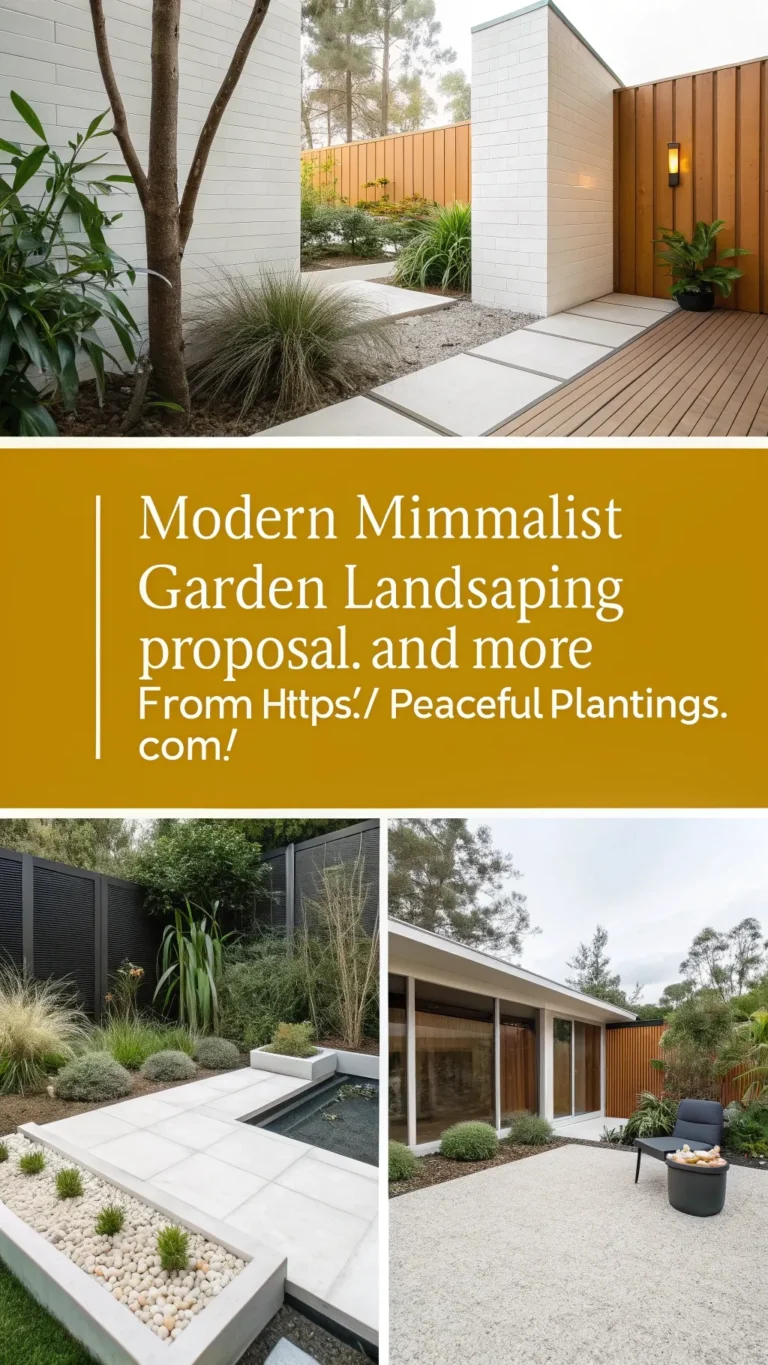
Adopt a Minimalist Approach
Sometimes less is more. Use clean lines and simple shapes. Avoid too much clutter and decoration.
Negative space feels calm. It makes the garden feel open. A minimalist design feels spacious.
Create Bohemian Layers
Think cozy and comfortable. Layer textiles like rugs and cushions. Add lanterns and soft lighting.
Use lush, layered planting. Choose plants with soft textures. This creates a whimsical landscaping feel.
Integrate Storage Solutions
Tools and cushions need a home. Build storage into benches. Use attractive storage boxes.
Hide clutter away neatly. This keeps your small space tidy. A tidy garden feels bigger.
Use Smart Lighting
Lighting adds magic at night. It highlights special plants or features. Lights along a path add depth.
It lets you use the garden longer. Lighting adds another layer of design. It creates a cozy feel.
These 17 Small Back Garden Layouts That Maximize Space are your toolkit. Pick the ones you like. See how they can change your yard. Use them as inspiration for your garden makeovers.
Your Small Garden Questions, Answered
People ask me lots of questions about small yards. They wonder where to start. They ask about budget and plants. Here are some common questions I hear. I hope my answers help you.
How do I start planning my small back garden layout?
Begin by thinking how you will use the space. Do you want to relax or eat there? Next, look at your yard closely. Check for sun and shade spots. See how water drains. Measure your space accurately. Draw a simple sketch. Decide what matters most based on your budget.
What are the best ways to maximize space in a tiny garden?
Focus on using vertical areas. Use walls and fences for plants. Add diagonal lines to paths. Curves make the garden feel longer. Create different small zones or “rooms.” Use raised beds for height. Add mirrors to trick the eye. These tricks make tiny garden designs feel bigger.