How to Restore Soil Health in a Backyard Garden in 2026
Ever wondered why some garden plants just thrive, bursting with life, while others seem to struggle no matter what you do? Often, the answer lies hidden beneath the surface, in the very foundation of your garden: the soil. Learning how to restore soil health in a backyard garden isn't just about growing better vegetables; it's about creating a living, breathing ecosystem that supports vibrant growth and reduces your workload.
Healthy soil is a complex, dynamic environment, rich in organic matter and teeming with beneficial microbes. Research from various university extension services, as of 2026, consistently points to a soil organic matter (SOM) content of 3-5% as ideal for most garden vegetables, significantly improving water retention and nutrient availability. Let's dig into how you can transform your garden's dirt into truly fertile ground.

Image source: Wikimedia Commons / Henry G. Gilbert Nursery and Seed Trade Catalog Collection.; Peter Henderson & Co.
The Dirt on Dirt: Restoring Your Backyard Garden's Soil Health
Why Healthy Soil Matters More Than You Think
Think of your garden soil not just as inert dirt, but as a bustling city full of life. This "soil food web" of bacteria, fungi, protozoa, nematodes, and earthworms works tirelessly to break down organic matter, cycle nutrients, and create the perfect home for your plant roots. When your soil is healthy, it's a powerhouse, supporting robust plant growth from the ground up.
Poor soil, on the other hand, struggles. It might be compacted, making it hard for roots to grow and water to penetrate. It could be lacking in vital nutrients, starving your plants. Or perhaps its microbial life is depleted, leaving it vulnerable to pests and diseases.
Restoring soil health isn't just a gardening chore; it's an investment in the long-term vitality and productivity of your entire garden.
Spotting Trouble: Is Your Garden Soil Sick?
Before you can fix your soil, you need to know what's wrong with it. Healthy soil often has distinct characteristics: it smells earthy and pleasant, feels crumbly and loose, and drains well without becoming waterlogged. If your garden isn't showing these signs, it's time to investigate.
Common Signs of Unhealthy Soil
- Poor Plant Growth: Stunted plants, yellowing leaves, slow growth, or low yields are often clear indicators. Your plants just aren't getting what they need.
- Compaction: If your soil feels hard like concrete, or a shovel is tough to push in, you likely have compacted soil. This restricts root growth and prevents water and air from getting where they need to go.
- Water Problems: Water either puddles on the surface for a long time after rain or irrigation, signaling poor drainage, or it drains too quickly, suggesting overly sandy soil that can't hold moisture.
- Lack of Worms: Dig around a bit. If you don't see many earthworms, it's a red flag. Earthworms are vital for aeration and breaking down organic matter.
- Excessive Weeds: While some weeds are always present, a garden dominated by specific types of weeds can sometimes point to particular soil conditions, like compaction or nutrient imbalances.
- Crusty or Hard Surface: After drying, unhealthy soil can form a hard crust, especially if it's clay-heavy and lacking organic matter.
A Simple Home Test: The Percolation and Squeeze Test
You can do a couple of quick, easy tests right in your garden to get an initial feel for your soil's health. These aren't as precise as a lab test, but they'll give you a good starting point.
The Percolation Test (Drainage):
- Dig a hole about 1 foot deep and 1 foot wide in your garden bed.
- Fill the hole with water and let it drain completely. This pre-saturates the soil.
- Fill the hole with water again, then time how long it takes for the water to drain completely.
- Results: If it drains within 10-30 minutes, you've got decent drainage. If it takes hours, you've got poor drainage and likely heavy clay or compaction. If it drains in just a few minutes, your soil might be too sandy.
The Squeeze Test (Texture and Organic Matter):
- Grab a handful of slightly damp soil from a few inches down.
- Squeeze it firmly in your palm.
- Results:
- Sandy Soil: It'll fall apart easily when you open your hand, feeling gritty.
- Clay Soil: It'll form a tight, sticky ball that holds its shape and might feel slick.
- Loamy/Healthy Soil: It'll form a loose ball that crumbles easily when poked, feeling soft and earthy. This indicates good structure and organic matter.
The First Step: Get a Soil Test Done
Seriously, don't skip this. Guessing what your soil needs is like trying to fix a complex engine without looking under the hood. A professional soil test gives you the precise data you need to make informed decisions about amending your soil. It's the most valuable investment you can make in your garden's long-term health.
You can usually get a reliable soil test through your local university extension office or a reputable private lab. They'll send you a kit with instructions on how to collect samples from different areas of your garden. Make sure to follow their directions carefully for accurate results.
Understanding Your Soil Test Results (pH, NPK, Organic Matter)
Once you get your results back, they might look like a jumble of numbers and scientific terms, but don't fret; they're actually quite easy to decipher with a little guidance. Most reports will highlight these key areas:
- Soil pH: This measures how acidic or alkaline your soil is, on a scale of 0-14. A pH of 7.0 is neutral. Most vegetables prefer a slightly acidic to neutral range, usually between 6.0 and 7.0. If your pH is too high or too low, nutrients become "locked up" and unavailable to plants, no matter how much you add.
- Nutrient Levels (NPK): This tells you how much Nitrogen (N), Phosphorus (P), and Potassium (K) your soil has, along with other crucial micronutrients like calcium, magnesium, and iron. These are the primary macronutrients plants need to grow. The report will often recommend specific amounts of amendments to bring these levels into balance.
- Organic Matter (OM) Percentage: This is a crucial number. It tells you the percentage of decomposed plant and animal material in your soil. We're generally aiming for 3-5% or higher. High organic matter improves everything: soil structure, water retention, nutrient availability, and microbial activity.
- Cation Exchange Capacity (CEC): This measures your soil's ability to hold onto and exchange positively charged nutrient ions, essentially its nutrient-holding capacity. Higher CEC usually means better fertility.
Your Soil Health Restoration Workflow: A Decision Tree Approach
Now that you have your soil test results and a better understanding of your soil's current state, we can map out a targeted plan. Think of this as a decision tree: your soil's specific problems will guide you down the right branch to the most effective solutions. You might find your soil has multiple issues, and that's common, so you might need to combine strategies.
Branch 1: Dealing with Compacted Soil
Compacted soil is a big problem because it chokes roots, prevents water infiltration, and suffocates beneficial soil organisms. It's often caused by walking on wet soil, heavy machinery, or constant tilling.
- How to Identify: Your soil feels rock-hard, water pools on the surface, or a shovel is incredibly difficult to push in. Plant roots are stunted or grow sideways.
- Recommended Actions:
- Minimize Foot Traffic: Designate paths and stay on them. Avoid walking on garden beds, especially when wet.
- Broadforking: If compaction is severe, a broadfork can loosen the soil deep down without inverting the soil layers, preserving the soil structure and microbiome. This is a manual tool with long tines.
- Add Organic Matter: This is key. Materials like compost, well-rotted manure, or chopped leaves help create crumbly soil structure over time, making it more resistant to compaction.
- Plant Cover Crops: Roots of cover crops, especially those with deep taproots like daikon radish or fava beans, can penetrate compacted layers, creating channels for air and water.
Branch 2: Boosting Low Organic Matter
This is perhaps the single most important thing you can do for your soil. Organic matter is the lifeblood of healthy soil, improving everything from drainage to nutrient retention. Most garden soils can benefit from more.
- How to Identify: Your soil test shows a low organic matter percentage (below 3%), the soil feels lifeless, sandy soils drain too quickly, or clay soils stay hard and clumpy.
- Recommended Actions:
- Generous Compost Application: Top-dress your garden beds with an inch or two of finished compost every year, ideally in spring or fall. You can lightly rake it in or let the worms do the work.
- Utilize Mulch: A thick layer of organic mulch (straw, wood chips, shredded leaves) breaks down slowly over time, continuously feeding the soil. It also suppresses weeds and retains moisture.
- Green Manures/Cover Crops: Planting a cover crop like clover or rye and then chopping and incorporating it (or just leaving it on the surface as a "chop and drop" mulch) adds a significant amount of organic matter.
- Compost in Place / Sheet Mulching: Layer organic materials directly onto your garden beds, like cardboard, leaves, grass clippings, and compost. This builds up soil health over time with minimal digging.
Branch 3: Balancing Soil pH (Too Acidic or Too Alkaline)
Remember how pH affects nutrient availability? Getting this right is crucial for plant health. Your soil test will give you your current pH, and knowing what your plants prefer will guide your actions.
- How to Identify: Your soil test shows a pH outside the optimal 6.0-7.0 range for most garden vegetables. Specific plants might also show nutrient deficiency symptoms despite apparent nutrient availability.
- Recommended Actions (for Acidic Soil, Low pH):
- Add Lime: Agricultural lime (calcium carbonate) is the most common amendment to raise pH. Dolomitic lime also adds magnesium. Apply according to soil test recommendations. It works slowly, so apply in fall for spring planting.
- Wood Ash: Can raise pH, but use sparingly and only if you know it's from untreated wood.
- Recommended Actions (for Alkaline Soil, High pH):
- Add Sulfur: Elemental sulfur slowly lowers pH as soil microbes convert it to sulfuric acid. This also takes time.
- Organic Matter: While not a dramatic pH changer, high levels of organic matter tend to buffer pH, making it more stable and resistant to extreme fluctuations.
- Pine Needles/Peat Moss: Can slightly acidify soil, but their effects are generally less pronounced than sulfur.
Branch 4: Addressing Nutrient Deficiencies
Once pH is balanced and organic matter is being built up, addressing specific nutrient deficiencies becomes much more effective. Your soil test results will detail which nutrients are lacking.
- How to Identify: Your soil test clearly indicates low levels of Nitrogen (N), Phosphorus (P), Potassium (K), or specific micronutrients. Plant symptoms like yellowing leaves (N), purplish leaves (P), or scorched leaf edges (K) can also be clues.
- Recommended Actions (Organic Sources):
- Nitrogen (N): Blood meal, alfalfa meal, feather meal, composted manure, coffee grounds, nitrogen-fixing cover crops (like clover or vetch).
- Phosphorus (P): Bone meal, rock phosphate, worm castings, compost.
- Potassium (K): Greensand, kelp meal, wood ash (use cautiously, as it affects pH), compost.
- Micronutrients: Often balanced by regular applications of diverse organic matter, kelp meal, or specific mineral amendments like greensand.
- Key Insight: Focusing on building organic matter generally reduces the need for heavy reliance on single-nutrient amendments. A thriving soil food web makes nutrients naturally available.
Core Strategies for Boosting Soil Health
Beyond addressing specific issues like compaction or nutrient deficiencies, there are fundamental practices that every gardener should adopt to build and maintain healthy soil. These strategies work synergistically, meaning they support and enhance each other's effectiveness. Consistency in applying these methods will yield the best long-term results.
The Magic of Compost: Your Garden's Best Friend
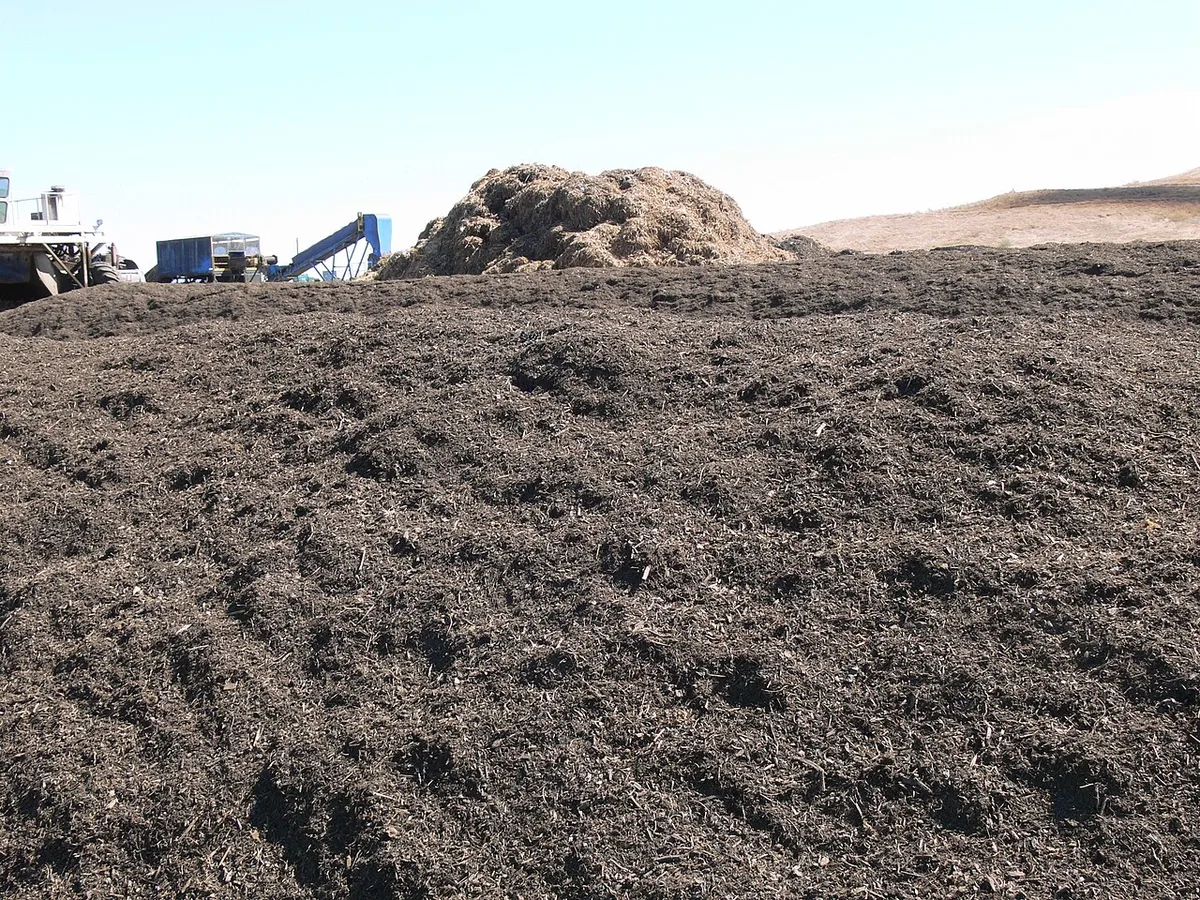
Compost is the single best amendment you can add to almost any garden soil. It's decomposed organic matter, full of beneficial microbes, and it acts like a multi-vitamin for your soil. Compost improves soil structure, enhances water retention, slowly releases nutrients, and buffers pH levels.
Making your own compost from kitchen scraps and yard waste is an economical and sustainable choice. If you're buying it, look for well-rotted, finished compost that smells earthy and has a dark, uniform texture, free from large recognizable pieces of food or plant material. Incorporate it by top-dressing your beds or lightly raking it into the top few inches.
Cover Crops: Nature's Way to Heal and Feed Your Soil
Cover crops, sometimes called "green manures," are plants grown specifically to benefit the soil rather than for harvest. They're a fantastic tool for rejuvenating tired garden beds during off-seasons. Cover crops prevent erosion, suppress weeds, add organic matter, and some even fix nitrogen from the air into the soil.
You'd typically plant cover crops in the fall after harvesting your main crops, letting them grow through winter and then tilling them under or "chopping and dropping" them in spring before planting. Common choices include legumes (clover, vetch, fava beans) for nitrogen fixation, or grasses (rye, oats) for biomass and deep root systems. Match the cover crop to your climate and gardening goals.
Mulch: The Protective Blanket for Your Garden
Mulch is simply a layer of organic material applied to the soil surface. This seemingly simple practice provides a wealth of benefits that contribute significantly to soil health. It's like a natural blanket for your garden beds, shielding the soil from the elements.
Mulch helps suppress weeds, keeps soil temperatures more consistent, reduces water evaporation, and prevents erosion. As organic mulches like straw, wood chips, or shredded leaves break down, they slowly release nutrients and feed the soil food web, gradually increasing your soil's organic matter content. Aim for a 2-4 inch layer, keeping it a few inches away from plant stems to prevent rot.
No-Till Gardening: Disturbing the Peace (and Your Soil) Less
Traditional tilling, while seemingly helpful for breaking up compacted soil, actually disrupts the delicate structure of the soil and destroys its vital microbial networks. Each time you till, you're essentially resetting the progress made by earthworms and fungi. No-till gardening minimizes soil disturbance, allowing the soil's natural structure and biology to flourish.
Instead of tilling, you would apply organic amendments like compost and mulch to the surface. Earthworms and other soil organisms then pull these materials down into the soil, slowly building rich, healthy soil layers. This approach significantly improves soil structure, water infiltration, and long-term fertility. It also helps sequester carbon in the soil.
Practical Soil Amendments for Common Problems
Sometimes, compost and mulch aren't quite enough on their own to address specific, pronounced issues in your soil. That's when targeted soil amendments come into play, based on the information from your soil test. Always apply amendments according to recommendations to avoid over-applying, which can cause new problems.
Organic Matter Boosters (Compost, Manure, Leaf Mold)
These amendments are your go-to for increasing the overall organic matter content of your soil, which we've established is incredibly important.
- Compost: As discussed, finished compost is balanced and ready for direct application.
- Composted Manure: Aged manure (from cows, horses, chickens) is a nutrient-rich organic amendment. Always use composted manure to avoid burning plants with excess nitrogen, introducing weed seeds, or harmful pathogens. It's an excellent source of nitrogen and other trace minerals.
- Leaf Mold: This is simply decomposed leaves. It's high in fungi, which are great for breaking down tough organic matter and improving soil structure. It's fantastic for boosting carbon content and water retention. You can make it easily by simply piling leaves in a corner of your yard to break down over a year or two.
pH Adjusters (Lime, Sulfur)
These are used specifically to bring your soil pH into the optimal range, as determined by your soil test. Misapplication can cause more harm than good, so precision is key.
- Lime (Calcium Carbonate/Dolomitic Lime): Raises pH. Dolomitic lime also adds magnesium. It's often applied in the fall as it works slowly. Check your soil test for the recommended amount per square foot.
- Elemental Sulfur: Lowers pH. Microbes slowly convert it to sulfuric acid. This also takes time, so don't expect instant results. Again, follow soil test recommendations carefully.
Biological Boosters (Mycorrhizal Fungi, Worm Castings)
These amendments focus on enhancing the living component of your soil, fostering a more robust and resilient soil microbiome. They directly support plant health through biological processes.
- Mycorrhizal Fungi: These beneficial fungi form a symbiotic relationship with plant roots, extending the root system's reach and improving the plant's ability to absorb water and nutrients, especially phosphorus. You can inoculate new plantings or seeds with mycorrhizal fungi products.
- Worm Castings: Often called "black gold," worm castings are the rich, fertile excrement of earthworms. They're packed with beneficial microbes, trace minerals, and plant-available nutrients. You can add them as a top-dressing or mix them into planting holes.
Long-Term Soil Care: Maintaining a Thriving Ecosystem
Restoring soil health isn't a one-time fix; it's an ongoing process, a continuous partnership with nature. Once you've brought your soil back to a healthy state, the goal shifts to maintaining and continually improving that vitality. These practices ensure your garden remains productive and resilient year after year.
Crop Rotation for Resilience
Practicing crop rotation means you don't grow the same type of plant in the exact same spot year after year. Different plant families have different nutrient needs and are susceptible to different soil-borne pests and diseases. Rotating your crops breaks disease cycles, manages pest populations, and prevents specific nutrient depletion in your soil.
For example, follow heavy feeders like corn or tomatoes with nitrogen-fixing legumes like beans or peas. Then, follow those with root crops or leafy greens. A simple three or four-year rotation plan can make a big difference, keeping your soil balanced and your plants healthier.
Attracting Beneficial Soil Life
A truly healthy soil is full of life. Encouraging earthworms, beneficial bacteria, and fungi is paramount. These organisms are the unsung heroes, breaking down organic matter, aerating the soil, and making nutrients available to plants. You become more of a soil farmer than just a plant farmer.
To attract these helpers, focus on continuous additions of organic matter through compost and mulch. Avoid synthetic pesticides and herbicides, which can harm beneficial organisms. Minimizing soil disturbance, as with no-till methods, also protects their habitats. Remember, if you feed the soil, the soil will feed your plants.

Smart Watering and Drainage Practices
How you water your garden profoundly impacts soil health. Overwatering can lead to compaction and root rot, while underwatering stresses plants and limits nutrient uptake. The goal is to encourage deep root growth and maintain consistent, appropriate soil moisture.
- Water Deeply, Less Frequently: This encourages roots to grow deeper, making plants more resilient to dry spells. Shallow, frequent watering keeps roots near the surface, making them dependent on constant irrigation.
- Morning Watering: Watering in the morning reduces evaporation and allows foliage to dry before nightfall, minimizing disease risk.
- Improve Drainage: If your percolation test indicated poor drainage, continue to amend with organic matter. Consider raised beds in areas with consistently waterlogged soil. Good drainage ensures roots get oxygen and don't sit in stagnant water.
Common Mistakes to Avoid When Restoring Soil
Even with the best intentions, it's easy to make missteps that can hinder your soil restoration efforts. Knowing what to watch out for can save you time, effort, and potential setbacks. Avoiding these common pitfalls will keep your garden on the path to vibrant health.
- Over-Tilling: As we've discussed, excessive tilling destroys soil structure and disrupts the delicate soil food web. While an initial light till might be necessary in some severely compacted areas, adopting minimal or no-till practices long-term is far more beneficial.
- Ignoring Soil Test Results: Guessing at what your soil needs can lead to over-application of certain nutrients or amendments, creating imbalances that are harder to fix than the original problem. Always let your soil test guide your actions, especially for pH adjusters and specific nutrient supplements.
- Using Raw Manure: Fresh, uncomposted manure can burn plants with its high nitrogen content and may introduce pathogens or weed seeds into your garden. Always use well-composted manure that has been properly aged to avoid these issues.
- Applying Synthetic Fertilizers Only: While synthetic fertilizers provide a quick burst of nutrients, they don't build soil organic matter or feed the soil's microbial life. Over-reliance on them can actually diminish long-term soil health by bypassing the natural nutrient cycling processes.
- Leaving Soil Bare: Exposed soil is vulnerable to erosion from wind and rain, nutrient leaching, and extreme temperature fluctuations. Always keep your soil covered with mulch or living plants like cover crops.
FAQs About Backyard Soil Health
Gardeners often have practical questions when embarking on soil restoration. We've compiled some common queries to help clarify your journey.
How long does it take to restore soil health?
Restoring soil health is a continuous journey, not a sprint. You'll likely see initial improvements in plant vigor and soil workability within one to two seasons with consistent application of compost and mulches. However, truly building up organic matter and a thriving soil microbiome to an optimal level (e.g., from 1% to 5% organic matter) can take several years, often 3-5 years or even longer, depending on your starting conditions and commitment to practices like cover cropping and no-till.
Can I use store-bought topsoil to fix my garden?
Using store-bought topsoil can be a mixed bag; it's generally not a magic bullet for restoring soil health. Many bagged topsoils are of variable quality, often lacking sufficient organic matter and microbial activity. While they can provide bulk for raised beds or fill depressions, they rarely offer the rich, living qualities of well-composted organic matter. Focus instead on improving your existing soil with amendments rather than simply replacing it, as the long-term benefits are far greater.