What Plants Grow Well Together in a Garden: Honest Reviews
Ever wondered why some plants in your garden just seem to thrive together, while others struggle or attract every pest in the neighborhood? It's not just luck. Understanding what plants grow well together in a garden can transform your harvests and reduce common frustrations. It's all about harnessing nature's own partnerships.
This natural strategy, known as companion planting, isn't new; it’s been utilized by gardeners for centuries. For instance, historical agricultural records, as compiled by university extension services, show indigenous farming techniques often featured specific plant groupings, boosting yields by as much as 20% in some cases compared to monoculture. We'll dive into how these intelligent pairings can benefit your own green space.
Quick Answer: The Secret to a Thriving Garden
The secret to a thriving garden lies in companion planting, which is the strategic placement of different plant species close to each other for mutual benefit. These benefits can range from natural pest deterrence and attracting beneficial insects to improving soil health and even enhancing flavor. It’s like setting up a harmonious neighborhood for your plants where everyone helps each other out.
Why Some Plants Just "Click" – Understanding Companion Planting
Companion planting isn't just an old wives' tale, it's a practical approach rooted in ecological principles. When you group specific plants together, they create a mini-ecosystem that supports overall garden health. This can significantly reduce the need for synthetic fertilizers and chemical pesticides.
Here's how these plant partnerships typically work:
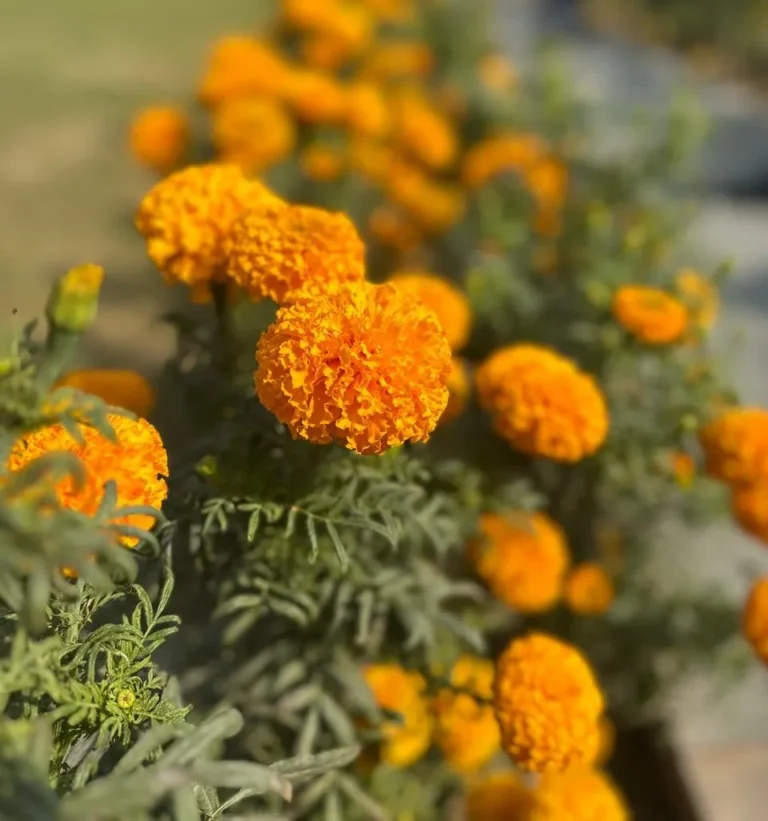
- Pest Deterrence: Some plants emit scents or compounds that naturally repel common garden pests. Think of Marigolds scaring off nematodes or Nasturtiums acting as a "trap crop" for aphids, drawing them away from your prized vegetables.
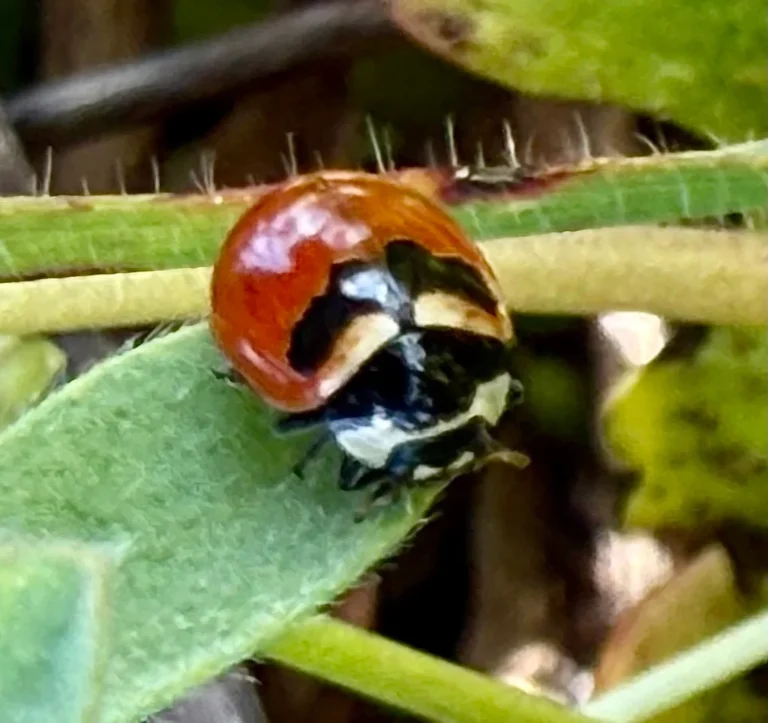
- Attracting Beneficial Insects: Other plants, especially flowering herbs and certain annuals, produce nectar and pollen that attract helpful creatures like ladybugs, lacewings, and parasitic wasps. These insects then prey on the pests that want to munch on your crops.
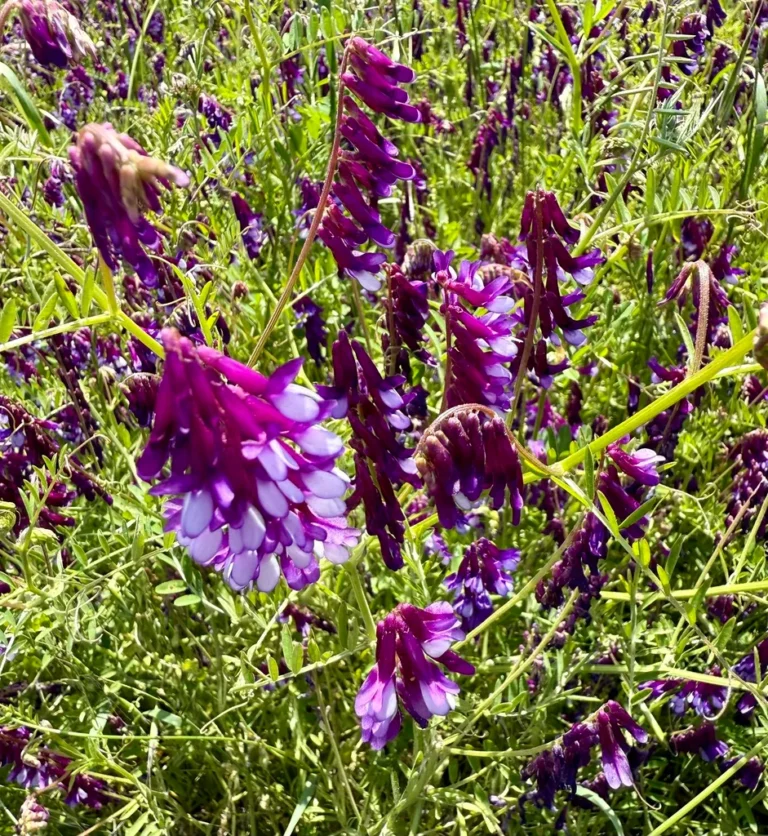
- Nutrient Cycling and Soil Improvement: Legumes, like beans and peas, have a special superpower: they host bacteria on their roots that "fix" nitrogen from the air into the soil. This nitrogen then becomes available for other nearby plants, acting as a natural fertilizer.
- Shade and Support: Taller plants can provide much-needed shade for sun-sensitive companions during the hottest parts of the day. Vining plants, like cucumbers or pole beans, can also use sturdy neighbors, such as corn, as a natural trellis to climb.
- Weed Suppression: Densely planted companion groupings can help shade the soil, reducing the space and light available for weeds to grow, which in turn saves you weeding time.
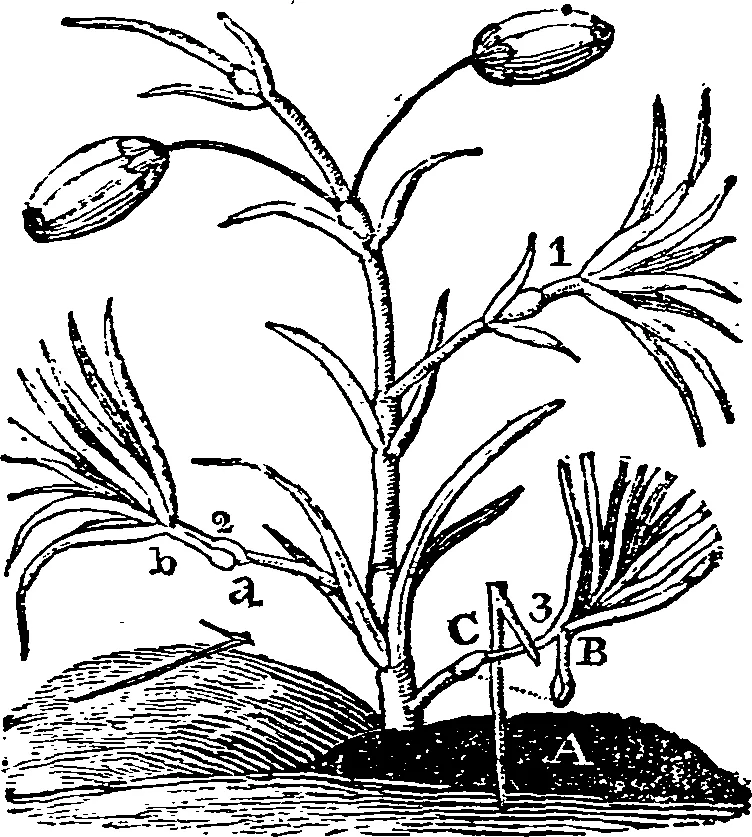
Image source: Wikimedia Commons / Trusler, John
Your Garden's Story: Key Factors for Choosing Plant Partners
Choosing the right plant partners isn't a one-size-fits-all situation. Your garden has its own unique story, and understanding its specific conditions is crucial for successful companion planting. Think of these factors as the essential chapters in your garden's autobiography.
Climate Zones and Microclimates
Your USDA Hardiness Zone or similar regional classification gives you a general idea of what plants can survive in your area. Beyond that, consider your garden's microclimates. Are there spots against a south-facing wall that get hotter, or areas shaded by a large tree that stay cooler and moister? These small variations can dictate which plants will thrive.
For example, a tender herb might appreciate the shade from a taller plant in a hot microclimate.
Sunshine and Shade Needs
All plants have specific light requirements, often categorized as full sun, partial sun, or partial shade. Full sun means at least six hours of direct sunlight daily. When pairing plants, ensure they share similar light needs or that one plant can provide beneficial shade to another without completely blocking its light. Tomatoes, for instance, love full sun, while lettuce prefers a bit of afternoon shade in warmer regions.
Soil Type and pH
Different plants prefer different soil conditions. Some love rich, loamy soil, while others tolerate sandy or clay soil. Soil pH, a measure of acidity or alkalinity, also plays a big role. Most vegetables prefer a slightly acidic to neutral pH (around 6.0 to 7.0). Before planting, a simple soil test can tell you a lot about what you're working with, helping you choose compatible plant pairs that won't compete for drastically different soil preferences.
What You're Already Growing (or Planning To!)
Take stock of your existing garden. If you're planning a new one, consider your main desired crops first. This forms the anchor for your companion planting strategy. For instance, if you're set on growing a lot of Tomatoes, you'll then look for good neighbors like Basil or Marigolds that specifically benefit tomatoes, rather than starting from scratch with random pairings.
Knowing your primary goals helps narrow down the best companions.
Decoding Plant Relationships: Good Neighbors and Bad Ones
Just like people, plants have friends and rivals. Some plants are fantastic neighbors, offering a helping hand, while others can be surprisingly detrimental. Knowing which is which is key to a flourishing garden.
The Superstars: Plants That Help Each Other Grow
These are the pairings that deliver real synergy, often boosting growth, deterring pests, or improving flavor. We've seen these work wonders over countless growing seasons.
- Tomatoes and Basil: Basil is said to repel tomato hornworms and flies, and many gardeners swear it improves the flavor of tomatoes.
- Carrots and Rosemary/Lettuce: Rosemary can deter the carrot rust fly. Planting carrots near lettuce also works well because lettuce provides ground cover, keeping the soil cool and moist for the carrots.
- Beans and Corn: A classic combination, especially in the "Three Sisters" planting method. Corn provides a stalk for beans to climb, and beans, being legumes, fix nitrogen in the soil for the corn.
- Cabbage Family (Broccoli, Kale, Cabbage) and Dill/Chamomile: Dill can attract beneficial wasps that prey on cabbage worms, while chamomile is thought to enhance the growth and flavor of cabbage plants.
- Strawberries and Borage: Borage is known to attract pollinators, which is excellent for strawberry fruit set, and it's also said to deter tomato hornworms and cabbage worms.
The Troublemakers: Plants Best Kept Apart
Some plants release chemicals or attract pests that harm their neighbors. Avoiding these combinations is just as important as knowing the good ones.
- Fennel: Generally, fennel is a poor companion for most plants, as it can inhibit growth in many vegetables, including tomatoes, beans, and caraway. It's best grown in its own dedicated space.
- Cabbage Family and Strawberries: Members of the cabbage family can inhibit the growth of strawberries, and they can also compete for similar soil nutrients.
- Potatoes and Tomatoes/Squash: Both potatoes and tomatoes are in the nightshade family and can be susceptible to the same blights and pests, making it easier for diseases to spread. Squash can also compete too aggressively for resources with potatoes.
- Mint (unless contained) and pretty much everything: While beneficial in some ways, mint is an aggressive spreader. If not contained in a pot or with root barriers, it will quickly take over your garden and outcompete other plants for water and nutrients.
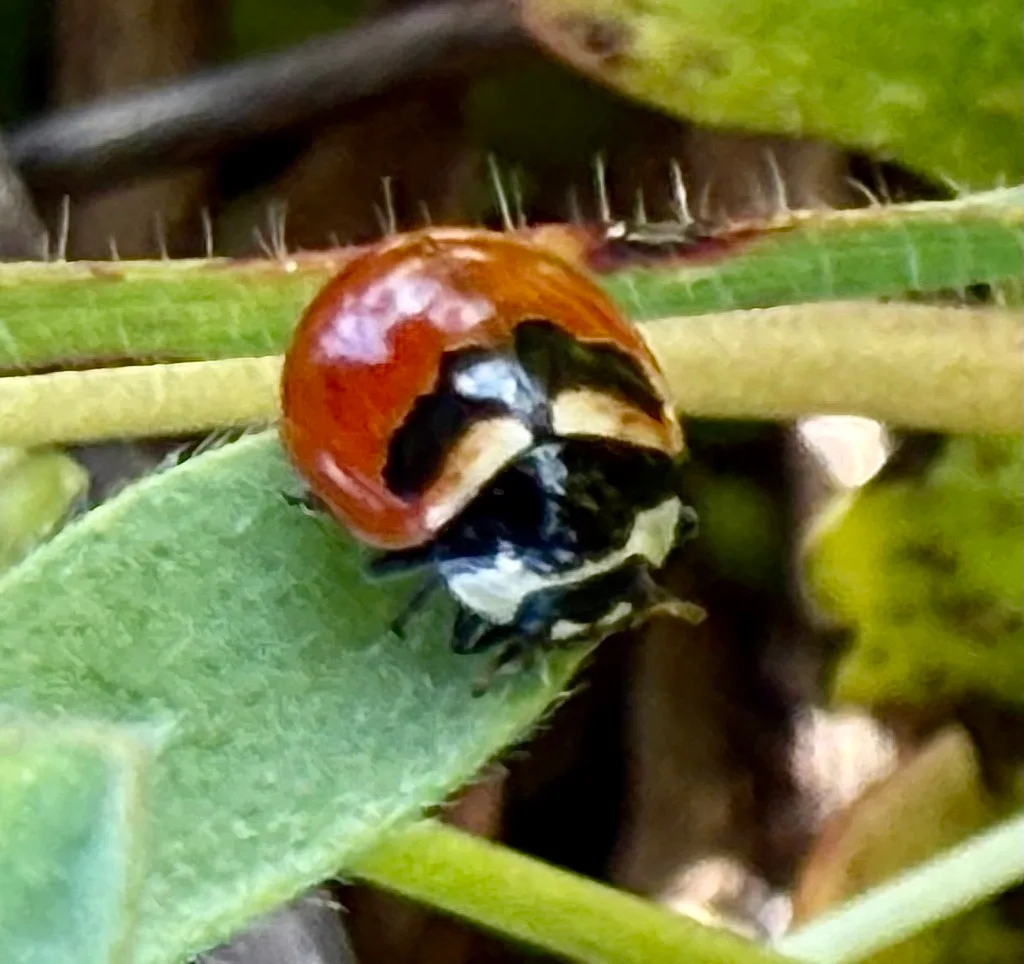
Image source: iNaturalist / Irene
A Smart Approach: Your Decision Tree for Companion Planting Success
Ready to put this knowledge to work? Here's a structured approach, almost like a decision tree, to help you plan your companion planting strategy. This workflow helps you make informed choices tailored to your garden.
Step 1: Map Your Garden Space and Conditions
Start with a physical map or sketch of your garden. Note down the following:
- Sunlight: Which areas get full sun (6+ hours), partial sun (4-6 hours), or shade (less than 4 hours)? Mark these clearly.
- Drainage: Identify any areas that tend to stay wet or dry out quickly.
- Existing Structures: Fences, walls, raised beds, or large perennial plants that might influence light or root space.
- Soil Information: If you've done a soil test, mark down the pH and general soil type (sandy, clay, loam) for different sections.
Step 2: Identify Your Main Crops and Their Needs
What are the star players in your garden? List out the vegetables, herbs, and flowers you really want to grow. For each primary plant, research its core requirements:
- Light Needs: Full sun, partial sun, shade.
- Water Needs: Does it like consistently moist soil or can it handle drier periods?
- Nutrient Needs: Is it a heavy feeder, or does it prefer less rich soil?
- Growth Habit: Does it grow tall, bush out, or vine along the ground?
- Common Pests and Diseases: What issues does this plant typically face?
Step 3: Consult the "Neighborly" List for Beneficial Pairings
With your primary crops and their needs in mind, refer back to lists of good and bad companion plants. Start by looking for partners that address specific needs or problems of your main crops.
- If you have tomatoes and struggle with hornworms: Consider planting Basil or Marigolds nearby.
- If your corn needs a nitrogen boost: Pair it with climbing Beans.
- If you want to attract pollinators to your squash: Borage is an excellent choice.
Remember to consider the Growth Habit of both plants; don't let a vigorous grower overshadow a delicate neighbor.
Step 4: Consider Pest Deterrence and Beneficial Insect Attraction
This step focuses on natural pest management. Look for plants that act as:
- Repellents: Plants like Marigolds, Onions, or Garlic often deter specific pests with their strong scents.
- Trap Crops: Nasturtiums, for example, can draw aphids away from more valuable crops.
- Attractors for Beneficials: Plant flowers like Dill, Cilantro (left to flower), Chamomile, or Borage to invite ladybugs, lacewings, and predatory wasps, which will help control pest populations.
Balance these choices to create a diverse ecosystem that supports natural pest control.
Step 5: Plan for Root Depth and Growth Habits
Finally, consider what's happening beneath the soil and above it.
- Root Depth: Pair deep-rooted plants with shallow-rooted ones to minimize competition for water and nutrients. For example, tall, deep-rooted corn can grow well with shallow-rooted lettuce or herbs at its base.
- Above-Ground Growth: Ensure plants have enough space to grow without overshadowing each other too much. A tall plant providing afternoon shade to a lettuce crop is good; a sprawling squash vine completely smothering delicate herbs is not. Consider vertical growth, bushy habits, and vining tendencies. This careful planning ensures everyone has room to flourish.
Companion Planting in Action: Real-World Examples
Seeing is believing, right? Let's look at some classic companion planting examples that highlight these principles in practice. These aren't just theoretical pairings; they're strategies that have proven their worth in gardens for generations.
Tomatoes & Basil: A Classic Pairing
This is perhaps one of the most famous companion planting duos, and for good reason. Gardeners frequently report that planting basil near tomatoes not only helps deter common pests like tomato hornworms and flies but also enhances the flavor of the tomatoes. The strong scent of basil acts as a natural repellent.
You'll often see basil planted directly at the base of tomato plants, allowing their root systems to intertwine without too much competition. This close proximity seems to maximize the beneficial aromatic effects.
The Three Sisters: Corn, Beans, and Squash
This ancient, indigenous planting technique is a masterclass in plant synergy, dating back centuries. It's an incredible example of how three distinct plants can support each other's growth and survival.

Image source: Wikimedia Commons / New York State Museum, subsidiary of State of New York Dept. of Ed
Here’s how the Three Sisters work together:
- Corn: The tall, sturdy stalks of corn provide a natural trellis for the climbing beans.
- Beans: As legumes, beans fix nitrogen from the air into the soil, acting as a natural fertilizer for both the corn and the squash, which are heavy feeders.
- Squash: The broad leaves of the squash plant provide ground cover, shading the soil to suppress weeds, retain moisture, and deter pests. The prickly stems of some squash varieties also discourage critters from munching on the corn and beans.
This isn't just about sharing space, it's about a complete nutritional and structural support system.
Cabbage Family & Marigolds: Pest Patrol
If you've ever grown anything in the Cabbage Family (broccoli, kale, cauliflower, Brussels sprouts), you've likely battled cabbage worms or other brassica-loving pests. This is where a strategic planting of Marigolds comes in handy. Specific varieties of marigolds (especially French marigolds) are known to release compounds from their roots that deter harmful nematodes and repel other common insect pests that target brassicas.
Planting marigolds around the perimeter of your cabbage patch or interspersing them among the plants can create a protective barrier. It's a simple, colorful, and organic way to safeguard your leafy greens.
Common Mistakes Gardeners Make (and How to Avoid Them)
Even with good intentions, it's easy to make missteps in companion planting. Knowing these common errors can save you a lot of headache, wasted effort, and disappointing harvests.
Forgetting Root Competition
One of the biggest oversights is not considering what's happening underground. While some roots are shallow and others deep, if two plants require the exact same soil depth and nutrients right next to each other, they'll compete. This competition often leads to stunted growth for both. Always research the root systems of your chosen companions.
If both are heavy feeders with similar root depths, ensure extra spacing or provide additional amendments to the soil as of 2026.
Ignoring Growth Habits
Imagine a tiny lettuce seedling planted too close to a sprawling pumpkin vine. The pumpkin will quickly engulf the lettuce, blocking its light and eventually suffocating it. It's crucial to visualize how plants will grow over their entire life cycle. Plan for mature size, not just seedling size, to ensure adequate light and air circulation for all your plants.
This helps prevent overcrowding and encourages robust growth.
Planting Too Closely
Even good companions need their space. Overcrowding can lead to poor air circulation, which increases the risk of fungal diseases. It also intensifies competition for light, water, and nutrients, even among plants that are generally compatible. Always adhere to recommended spacing guidelines for individual plants and then adjust slightly if necessary for companion groupings, erring on the side of giving a little more room.
Overlooking Soil Needs
While some plants are tolerant, others are quite particular about soil pH and nutrient levels. Pairing a plant that thrives in acidic soil with one that demands alkaline conditions creates a lose-lose situation. Before you plant, test your soil and choose companions that have similar soil pH and nutrient requirements, or ensure you can adequately amend specific areas for particular needs. This foundational understanding is critical.