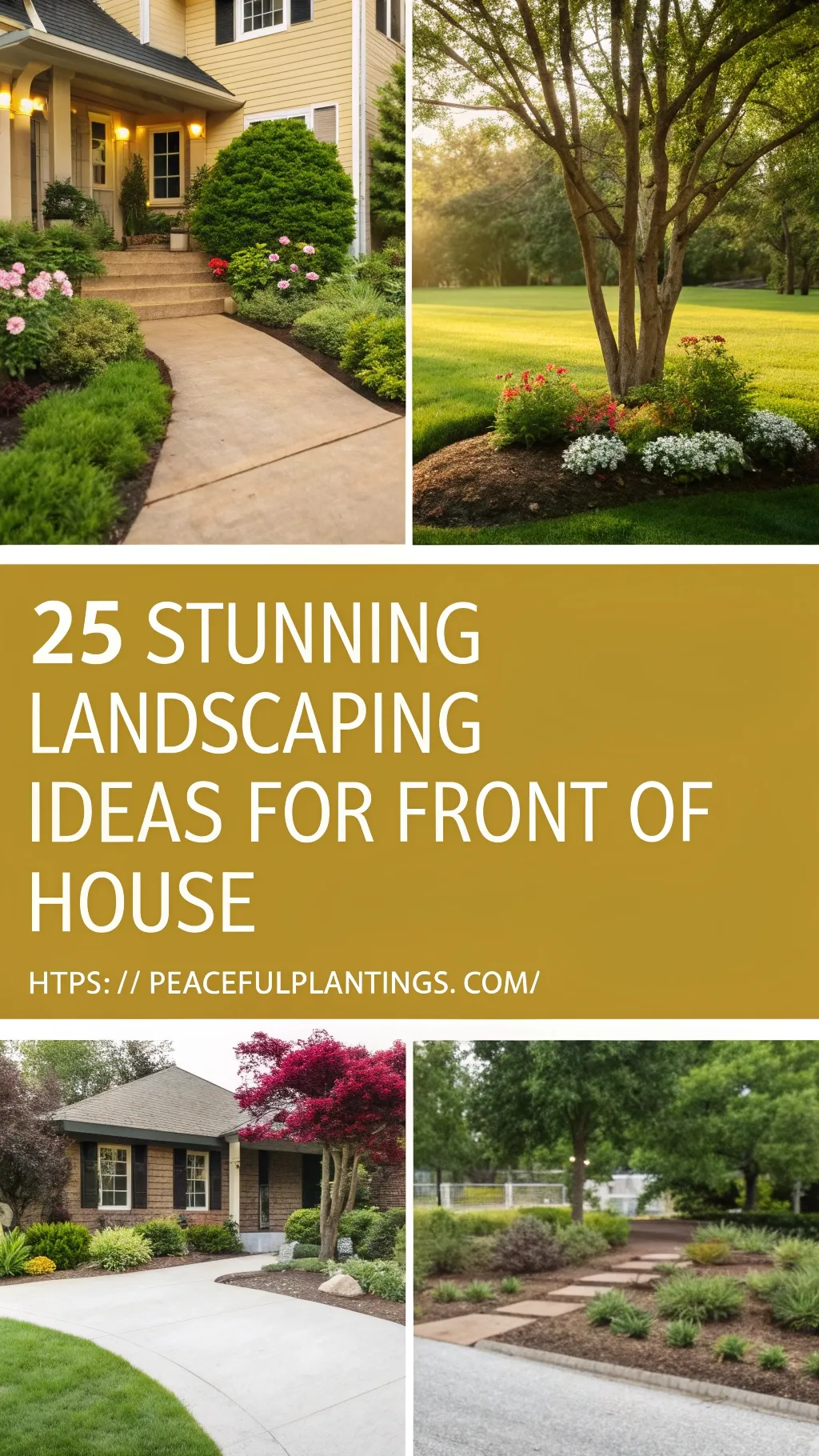
25 Stunning Landscaping Ideas For Front Of House
Introduction
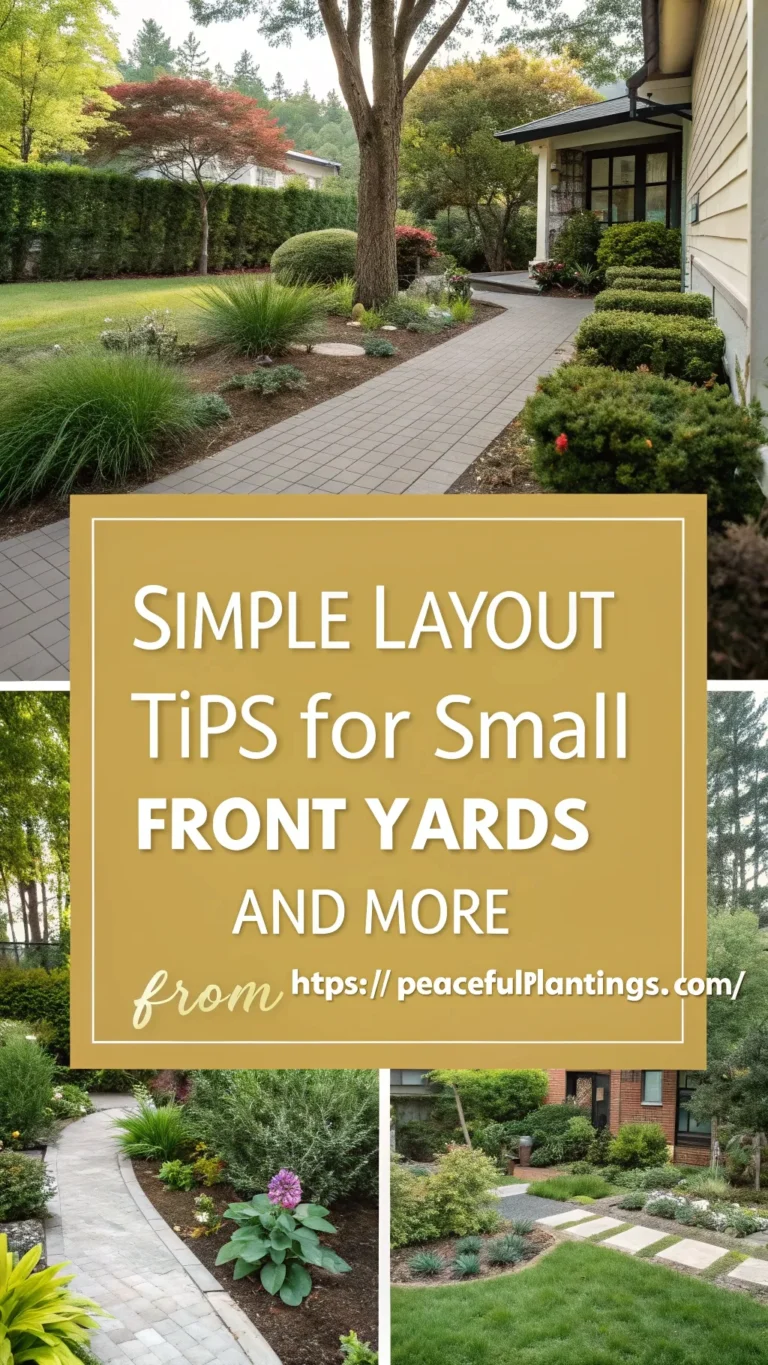
Your front yard is small. Maybe it feels overlooked. This happens often. I know the feeling well. A big space isn’t needed. A large budget is not required. Small gardens have huge potential. I learned this over seven years.
I love tiny garden designs. Garden makeovers are my passion. Many people feel stuck. Limited space feels tricky. Money can be a worry. I understand these worries.
I created this guide for you. It has 25 stunning landscaping ideas. These are for the front of your house. I share amazing transformations. They are easy DIY projects. They fit small budgets.
I include fresh looks for 2025. Expect plant ideas. Find structural tips. Decor ideas are here. Space-saving tricks work. Budget hacks help everyone. Let’s make your yard shine.
Laying the Foundation: Structural & Hardscaping Ideas
Your front yard needs good bones. Structure is key. Non-plant elements build this frame. You can DIY these things. Budget options exist for everyone.
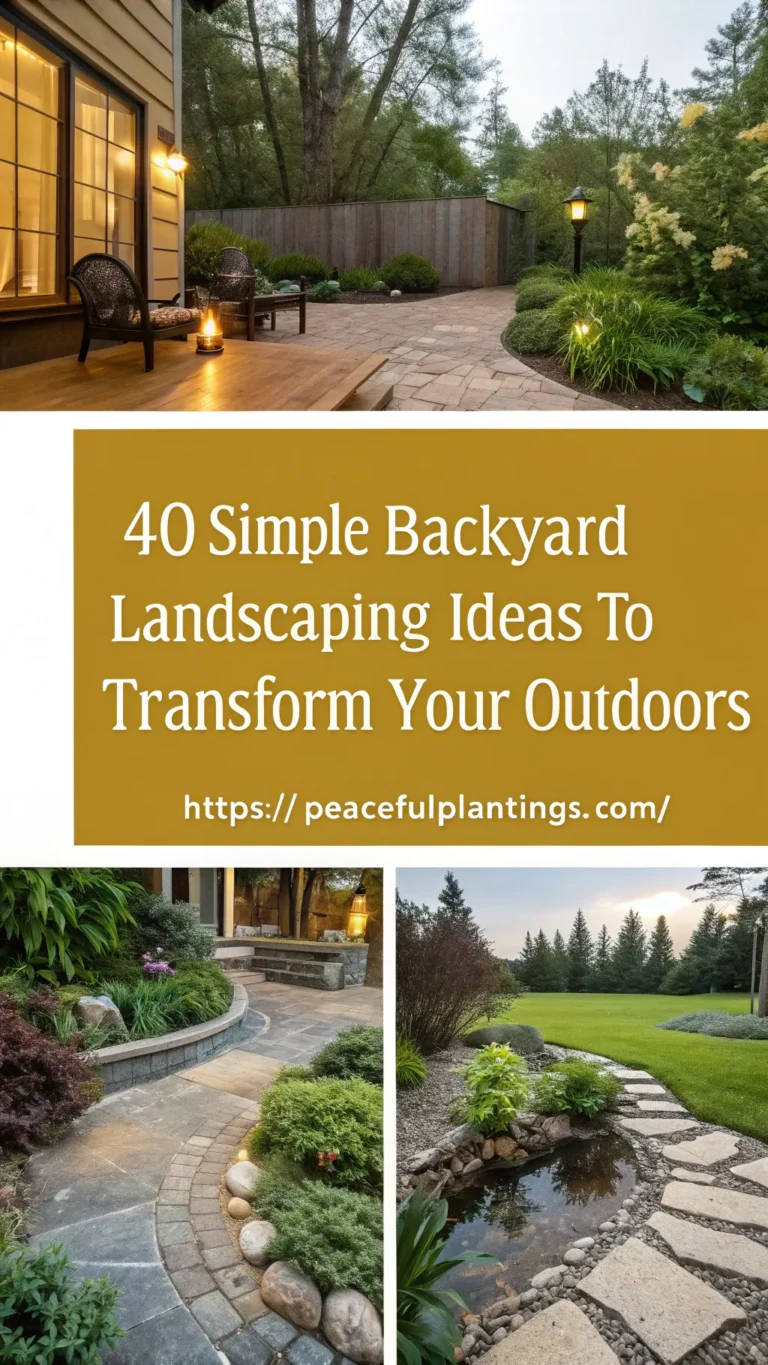
A welcoming front yard starts here. We add garden paths. We define planting beds. Small structures create interest. These projects are achievable.
Simple DIY Garden Pathway
A path guides visitors. It adds charm right away. Gravel paths are easy. Stepping stones work too. Mulch makes a soft path.
Gravel is affordable. It drains well. Mulch is even cheaper. It feels natural. Pavers cost more money. They offer a solid surface.
I used reclaimed bricks once. It took time. The look was worth it. You can lay gravel easily. Just dig a shallow trench. Add landscape fabric. Pour the gravel in.
- Actionable Tip: Lay landscape fabric first. This stops weeds growing through.
Define Beds with Budget Edging
Garden beds look neater. Edging creates clean lines. Reclaimed wood works great. Rocks look very natural. Plastic or metal edging is cheap.
Plastic edging bends easily. Metal lasts a long time. Wood looks rustic. It might rot over time. Rocks are free if you find them. Choose what fits your style.
I found old fence posts. I cut them down. They made a cute border. It cost almost nothing. This DIY project is simple.
- Actionable Tip: Bury edging slightly. This holds it firmly in place.
Build a Small Raised Bed
Raised beds add height. They define planting areas. You can build one easily. Use wood boards or blocks. They are perfect for flowers. Herbs or small veggies fit too.
Building with wood is fast. Use untreated lumber. Or use cedar for durability. Blocks make a sturdy bed. They can look very neat.
My first raised bed was small. It was just four boards. I grew bright annuals there. It made the entrance pop. A small raised bed is simple.
Add a Small Focal Point Structure
Every garden needs a star. A focal point draws the eye. A bird bath is lovely. A small fountain adds sound. Garden sculptures bring personality.
Thrift stores have treasures. Look for old statues. Find unique pottery. You can make garden art. Paint some garden rocks. Build a simple wooden sign.
I painted an old chair. I put a pot of flowers on it. It sits by my front door. It makes me smile daily. A small structure adds interest.
Update House Numbers/Mailbox Area
These spots greet visitors. Make them look inviting. Paint your mailbox post. Add flowers around it. Mount new, stylish house numbers.
This is a fast DIY project. It boosts curb appeal quickly. Use weather-resistant paint. Choose numbers you love. Add a small planter nearby.
I updated my mailbox. I painted it black. I planted colorful petunias around the base. It looks so much better now. Small details matter a lot.
You can find simple path tutorials online. Many trusted blogs show you how.
Planting Power: Creative & Low-Maintenance Greenery
Plants bring life and color. They soften hard edges. Choosing the right plants matters. Think about care needed. Low-maintenance plants are best.
You want plants to thrive. They should look good all year. Consider your climate zone. Think about how much sun you get.
Container Garden Clusters
Pots add height and texture. They work anywhere you need green. Use different sizes and shapes. Repurpose old buckets or crates. Place them near your door. Line a garden path with them.
Choosing plants for containers is fun. Pick plants needing similar water. Mix tall plants with trailing ones. This creates a full look. Containers add flexible color.
I group pots by my steps. One has a small shrub. Another holds bright annuals. A third trails ivy over the side. It looks lush and welcoming.
- Actionable Tip: Use potting mix, not garden soil. Potting mix drains better in pots.
Strategic Shrub Placement
Shrubs provide structure. They give year-round interest. Choose low-maintenance varieties. Evergreens stay green all winter. Deciduous shrubs lose leaves. They might offer flowers or berries.
Place shrubs near corners. Put them by your front door. A few well-chosen shrubs work wonders. They anchor your planting beds.
I planted two small boxwoods. They frame my front steps. They stay green all year. They need little trimming. Shrubs are great for structure.
Seasonal Color with Annuals
Annuals bloom for one season. They offer lots of color. They are usually budget-friendly. You can change them each year. Plant them in beds or pots.
Petunias, marigolds, and impatiens are popular. Pick colors you love. They fill empty spots fast. They provide instant cheer.
I buy flats of impatiens. I plant them under my tree. They bloom non-stop all summer. They add so much bright color. Annuals give a quick fix.
Groundcover for Low Maintenance
Groundcover replaces grass. It needs less water. It requires less mowing. It covers bare soil beautifully. Thyme smells wonderful when stepped on. Sedum is drought-tolerant. Vinca handles shade well.
Think about foot traffic. Some groundcovers tolerate walking. Others prefer to be admired. Groundcover suppresses weeds too.
I used creeping thyme. It fills a sunny spot. It has tiny purple flowers. It smells amazing. Groundcover saves work later.
Native Plant Power
Native plants belong here. They suit your local climate. They need less water and care. They support local birds and bees. This is a smart, sustainable choice.
Check what grows naturally nearby. Your local nursery can help. Native plants look beautiful. They feel right in the landscape.
I added native coneflowers. Bees love them very much. They come back every year. They are very tough plants. Native plants are a win-win.
Edible Landscaping
Grow food right out front. Herbs look pretty in beds. Small veggies add interest. Parsley has lovely leaves. Chives have purple flowers. Dwarf tomatoes can grow in pots.
Mix edibles with flowers. It looks unexpected and charming. It’s handy having herbs close. You can snip them easily.
I tuck basil into flower pots. It smells so good by the door. I use it for cooking often. Edible plants are useful beauty.
Choosing plants for your area is vital. Your local extension office helps. They have lists of good plants. Look for advice online too.
Maximizing Tiny Spaces & Vertical Solutions
Small spaces are challenges. They are also opportunities. Think up, not just out. Vertical gardening saves space. It adds lots of green.