Reducing Lawn Areas To Conserve Water
Your lawn takes much work. You mow it often. You water it all the time. It feels like a lot. People think more about water now. We care about the Earth.
Lawns use tons of water. This is true in dry places. It is true in summer. High water bills happen. Our water supply shrinks.
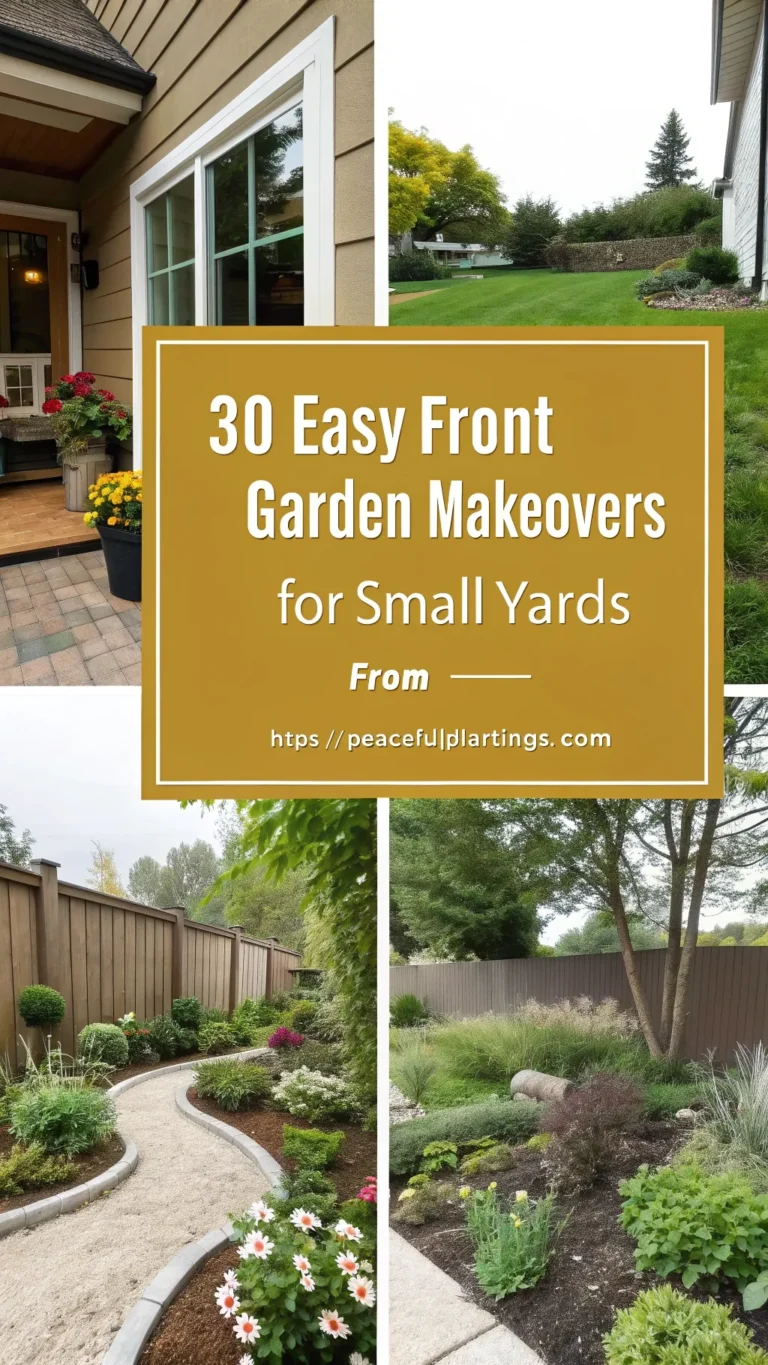
Reduce lawn areas. This saves water. It makes your yard better. It needs less work. It looks beautiful.
This guide helps you. We show why less lawn is good. We explain how to start. You learn to remove grass. We pick good plants. We talk about care.
Reduce lawn areas to conserve water. This is smart gardening for beginners. Water rules affect us.
Why Less Lawn is More: Benefits Beyond Water Saving
Think about your lawn water use. It needs lots. Other plants need less. You save money on bills. Local water lasts longer. We reduce lawn areas to conserve water. It is a big help.
Less lawn means less work. No more mowing every week. You fertilize less. You pull fewer grass weeds. You get free time back. Imagine hours saved each month.
Good things happen for nature. Less mowing means less pollution. We use fewer chemicals. Chemicals run into water. New plants bring life. Birds come. Bees visit. Good bugs appear. The soil gets better. Sheet mulching helps soil health.
You get new yard space. Plant vegetables there. Make pretty flower beds. Add a rain garden. Build a patio. Make a play spot.
Your yard looks nicer. Different plants look good all year. They have color. They have shapes. A flat green lawn is plain.
This fits with new ideas. People want native plants. They help local nature. We support our ecosystem.
Measure your lawn size. Think about water savings. It adds up fast.
- Major Water Savings.
- Reduced Maintenance.
- Environmental Benefits.
- Increased Usable Space.
- Aesthetic Appeal.
Planning Your Water-Wise Yard Transformation
Start with looking at your yard. See where the sun shines. Check your soil type. Is it clay? Is it sand? Does water drain well? Look at slopes. Soil health matters.
What do you want the space for? Less work? Growing food? Helping birds? Having parties? Making it pretty?
Find lawn areas to change. Pick spots hard to mow. Use areas you do not walk on. Shady spots are good. Wet spots are good for rain gardens.
Draw your yard simply. Sketch new ideas. Plan paths. Pick spots for nice plants. Put plants needing same water together. This is hydrozoning. Landscape design starts here. Garden planning is fun.
Think about money. How much can you spend? Think about time. How long will it take? Be real about this.
Check your local rules. Some places have HOA rules. Water restrictions might affect plans.
Plan native plant areas. Maybe add smart watering later.
Draw a simple map. Mark areas to shrink the lawn. Use your notes on sun and soil.
- Assess Your Site.
- Define Your Goals.
- Identify Areas for Reduction.
- Sketching and Design Basics.
- Budget and Timeline.
- Local Regulations.
Effective Methods for Removing Your Lawn
You need to get rid of the grass. Several ways work well. Pick one for your project.
Sheet mulching is popular. It is good for the Earth. Use layers of paper. Use layers of cardboard. Add leaves and grass clippings. This kills the grass slowly. It feeds the soil. It takes months. Mulching helps soil health. It is organic gardening.
Sod cutting works faster. Use a machine. You can rent one. It lifts the grass layer. It takes muscle. You have grass pieces. What will you do with them?
Solarization uses the sun. Put clear plastic down. Cover the grass tightly. The sun heats the ground. It kills grass and weeds. It needs hot sun. It takes many weeks.
Digging works for small spots. Use a shovel. Lift the grass by hand. It is hard work.
Herbicides can kill tough grass. Bermuda grass is hard. Use chemicals carefully. Think about nature. Read labels well.
Choose your method. Think about size. Think about money. Think about time. Think about the soil.
Pick the best way for you. Start removing that lawn.
- Sheet Mulching.
- Sod Cutting.
- Solarization.
- Manual Removal.
- Herbicide (use caution).
- Choosing the Right Method.
Water-Wise Alternatives: Plants & Design Ideas
What plants need little water? They are drought-tolerant plants. They live with less rain. Succulents store water. Ornamental grasses look nice. Some flowers need little water. Many shrubs are good choices.
Native plants are great. They grow well here. They need less water usually. They help local animals. Bees and birds like them. Find plants native to your area. Native plants are water-wise gardening. They make pollinator gardens.
Ground covers replace grass well. They grow low. They spread out. Some like sun. Some like shade. They cover the ground. Ground cover plants stop weeds.
Xeriscaping uses smart ideas. Pick the right plants. Water them well but little. Use mulch. Have less grass. Design your yard smart. These are xeriscaping principles. It is low-water landscaping.
Make different parts in your yard. Build a rock garden. Put in gravel paths. Use stones that let water through. Build raised beds for food. Make a garden for smells. Create a small meadow. Landscape design uses these ideas. Garden planning helps.
Plant trees and shrubs. Put them in good spots. They make shade. Shade helps soil stay wet. They add beauty. They save water too.
Native plants are popular now. Make space for them. Design useful, pretty areas.
Pick plants for your yard. Check sun and soil. Find 5-10 good ones.
- Drought-Tolerant Plants.
- Native Plants.
- Ground Covers.
- Xeriscaping Principles.
- Creating Different “Rooms”.
- Trees and Shrubs.
Planting, Mulching, and Watering Your New Landscape
Put your new plants in well. Dig a hole twice wide. Make it deep enough. Water the plant now. Give plants space to grow.
Mulch is very helpful. It keeps water in the soil. It stops weeds from growing. It keeps soil warm in winter. It keeps soil cool in summer. Use wood chips. Use straw. Use compost. Put two to four inches down. Mulching helps soil health.
Water plants wisely. Water deeply. Do not water often. Water early in the day. Water goes to the roots. Use drip watering. Use soaker hoses. Watering tips help. This saves water.
Collect rainwater. Use rain barrels. Use cisterns. Rain gardens hold water.
New plants need more water first. They need less later. Plant health depends on water.
Smart watering systems exist. They use weather data. They water only when needed. Smart irrigation saves water. It is a 2025 trend.
Help new plants grow strong. Care for them the first year.
Add mulch to new areas. Plan how to water. Water smart.