How to Restore Depleted Soil in One Season
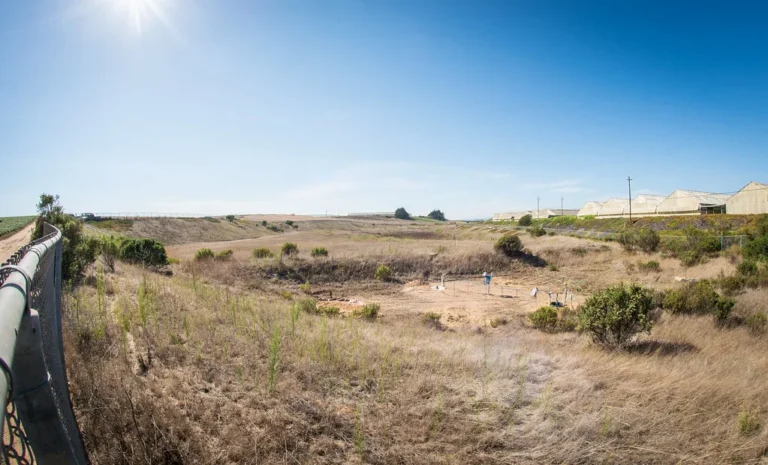
Depleted soil — low organic matter, compacted, lifeless — can bounce back faster than most gardeners expect. The trick is doing the right things in the right order: rebuild the organic matter, keep the soil covered, stop the damage that depleted it, and let biology do the heavy lifting. In one season you can see dramatic improvement; in two or three, genuinely rich soil.
Here is the one-season restoration plan that works.
What You Will Need
- Compost — a lot of it. Plan on one to two inches spread over your beds.
- Cover crop seeds — buckwheat for summer heat, crimson clover or a rye-vetch mix for fall.
- A soil test kit — home kit or lab test.
- Cardboard and mulch for sheet mulching.
- A broadfork or garden fork — used once, not every season.
Step-by-Step: Restoring Depleted Soil
Step 1: Test the soil — know what you’re working with
A soil test tells you pH, organic matter, and nutrient levels, so you spend money only on what’s actually missing. It also tells you whether the “depletion” is a nutrient problem or a structure problem — the two get fixed differently. This one step prevents most wasted effort.
Step 2: Add compost generously
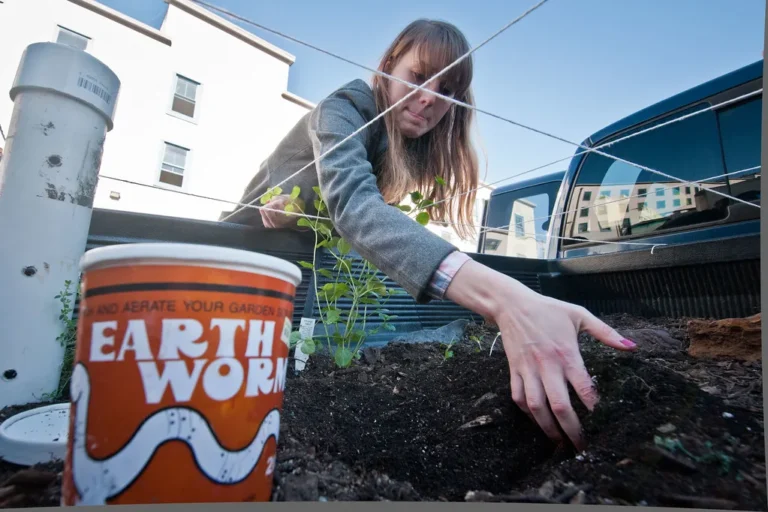
Compost is the single highest-leverage action on this list. Spread one to two inches over the bed and either work it into the top few inches or just leave it as a top-dressing for the worms to pull down. Compost adds organic matter, feeds soil biology, improves structure, and buffers pH all at once. If you have to pick one thing, pick this.
Quality matters as much as quantity. Mature, dark, crumbly compost is full of living biology; half-finished compost can tie up nitrogen as it finishes breaking down. If you’re buying it in bulk, ask for finished compost and check it for the earthy smell and crumbly texture before you spread it. Making your own is cheaper and just as good — our pile-building guide covers how to get it right.
Step 3: Fix pH if the test says so
If your soil is strongly acidic or alkaline, nutrients are locked up no matter how much you feed. Follow the test: lime for acid soil, elemental sulfur for alkaline soil, applied in the season that gives them time to react. Skip this step if the test doesn’t call for it — guessing at pH causes more problems than it solves.
Step 4: Stop tilling
Tillage is how most garden soil got depleted in the first place — it burns organic matter, breaks soil structure, and destroys the fungal network that feeds plants. Switch to no-till: add amendments on top, plant through mulch, and let the soil biology incorporate everything. Our no-till guide walks through the transition.
Step 5: Sow a cover crop
Living roots are the fastest soil-builder you can plant. Buckwheat covers bare ground and smothers weeds in summer heat; crimson clover fixes nitrogen in fall; daikon radish drills down through compaction with its taproots. Sow into any bed that will sit empty for three weeks or more, and cut it before it sets seed. See our cover crop guide for timing and choices.
Step 6: Mulch everything
Bare soil is dying soil — it bakes, erodes, and starves the biology. Cover every bed with leaves, straw, or wood chips, and keep paths mulched too. Mulch feeds the food web, holds moisture, and suppresses the weeds that compete with your crops. It is the cheapest ongoing restoration tool there is.
Step 7: Manage compaction once — then stop
If a bed is truly compacted, use a broadfork once to loosen it, then never walk on the bed again. Establish permanent paths, plant into mulch, and let roots and worms maintain the structure from there. One-time loosening plus biology beats annual digging every time.
Step 8: Feed the biology, not just the plants
Synthetic fertilizer feeds the plant and often starves the soil food web — that’s the fast path back to depletion. Instead, keep soil covered, keep roots in the ground, add organic matter every season, and water deeply but less often. The biology does the actual soil-building; your job is to keep it employed.
Common Mistakes to Avoid
- Tilling to “fix” depleted soil. You’re burning the little organic matter you have left.
- Fertilizer-only thinking. Green leaves on yellowed soil is not recovery; organic matter is.
- Skipping the test. Adding lime to alkaline soil (or vice versa) makes things worse.
- Leaving beds bare in winter. An empty, uncovered bed is losing ground all winter.
FAQ
Can soil really recover in one season?
Yes — visibly. Organic matter, earthworm activity, and structure improve dramatically in a single season of compost, cover crops, and mulch. Full restoration of deeply damaged soil takes years, but you’ll see the difference in plant health within months.
What’s the fastest single action?
A thick compost layer followed immediately by a cover crop or mulch. Those two moves together kick-start the biology that does all the real work.
Do I really need a soil test?
Yes. Without it you’re guessing at pH and nutrients, and the guess is usually wrong — either you add what’s already there, or you miss what’s actually missing. It’s the cheapest step in the whole process.
Is tilling ever acceptable?
Only in extreme cases — like incorporating amendments into hardpan once — and then as a one-time event before switching to no-till. As a habit, it’s the opposite of restoration.
What if I can’t get enough compost?
Spread what you have thinly over the largest area, then lean harder on the other tools: cover crops, mulch, and no-till. Leaves and grass clippings mulched in place are themselves organic matter — they’ll feed the soil while you build a compost supply for next season.
Bottom Line
Restoring depleted soil in one season is about stacking the right moves: test, compost heavily, stop tilling, plant cover crops, mulch, and feed the biology. None of it is expensive or exotic — it’s the basic regenerative playbook, applied with enough compost and patience to make it work. Do that, and next season’s harvest will tell you everything worked.
As an Amazon Associate, I earn from qualifying purchases.