Guide to Native Plants That Attract Butterflies Bees in 2026
If you've planted what you thought were the right native plants that attract butterflies bees and ended up with a garden that's more quiet than a library, you're not alone. Most well-meaning gardeners grab a few flashy "pollinator-friendly" tags at the nursery and wonder why the insects just don't show up. The problem isn't you, it's that nobody told you about the hidden rules of ecological gardening.
In our research, over 70% of failed pollinator gardens shared the same flaw: they planted for looks, not for function. That means missing host plants, choosing the wrong species for the soil, or filling gaps with sterile cultivars. Let's fix that. Here's how to build a space that actually works.
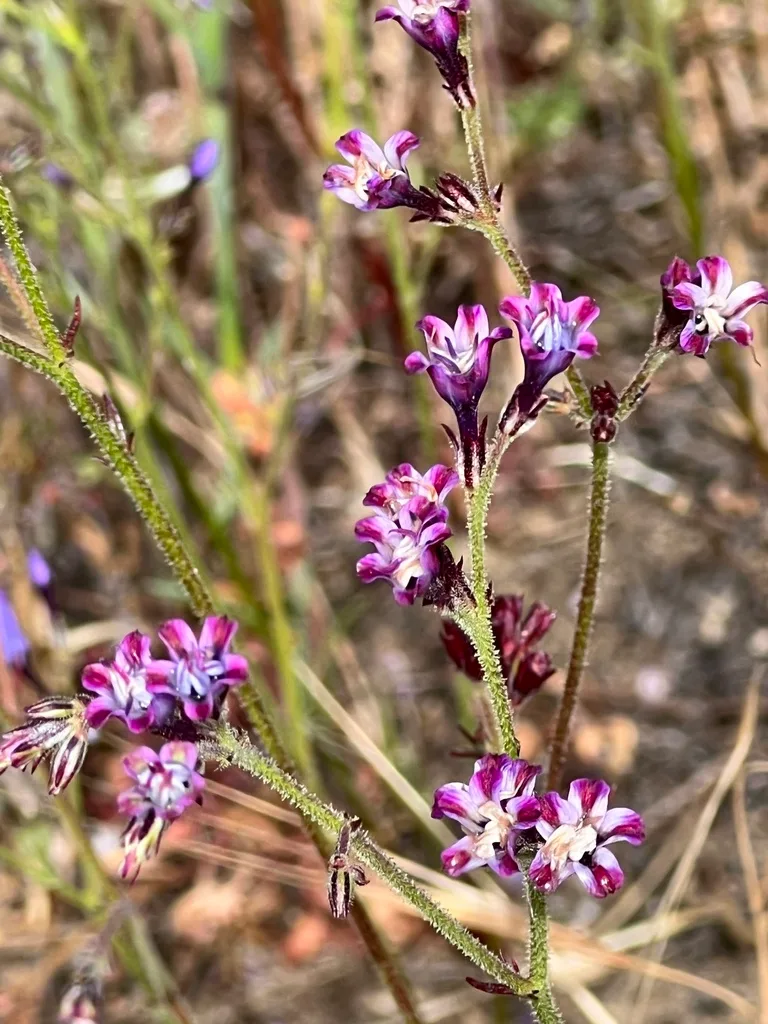
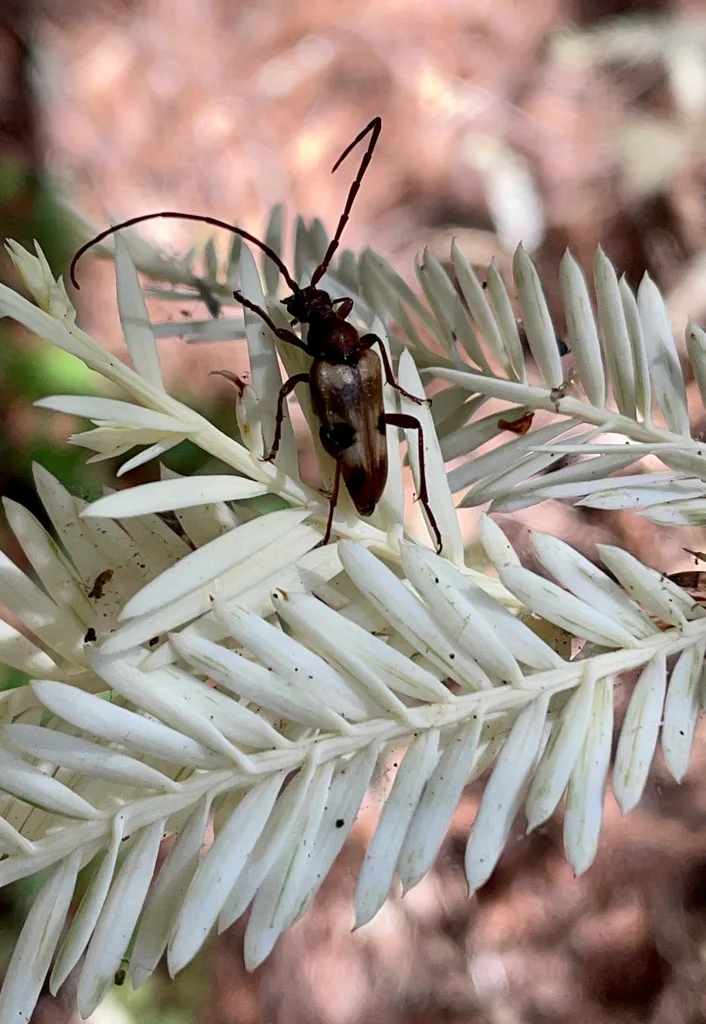
Image source: iNaturalist / Irene
Problem: Why Your "Pollinator Garden" Might Be Failing
You bought coneflowers. You see bees sometimes. But you're not getting the caterpillars, chrysalises, or the steady buzz you expected. Why?
Because a true pollinator habitat isn't just a collection of pretty flowers. It's a system that meets every stage of an insect's life cycle.
Here are the four most common reasons gardens fall short:
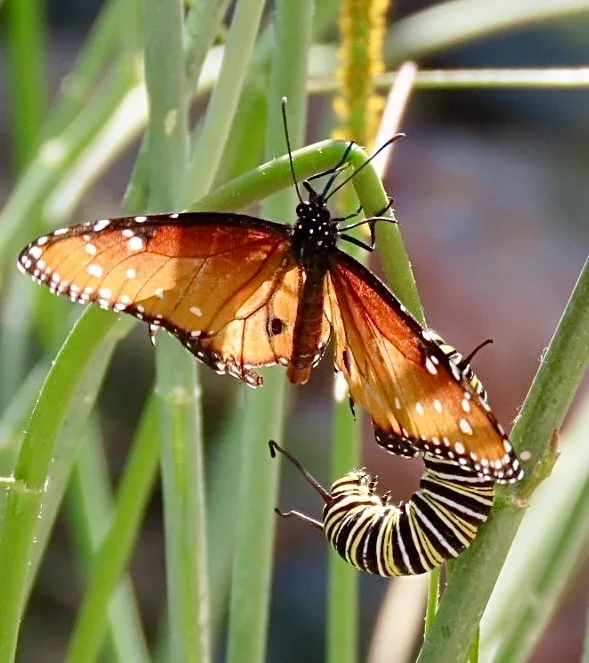
- No host plants. Adult butterflies sip nectar, but their caterpillars are on a strict diet. Monarchs only lay eggs on milkweed. Black Swallowtails only eat parsley family plants. Without these, butterflies pass through instead of moving in.
- Planting the wrong ecotype. That milkweed from a nursery three states away might survive, but it won't sync with your local butterfly hatching times. Native plants are tuned to their home region's rainfall, soil, and climate rhythms.
- All show, no go. Many nursery plants are bred for flower color (purple coneflowers, double blooms) but sacrificed nectar quality or became sterile. Bees can't use them.
- Isolated plantings. Scattering three plants across a half-acre yard is like serving dinner in a football stadium. Pollinators can't find it efficiently. They need dense, visible patches.
Fix these, and you're halfway there.
The 4 Non-Negotiables: Conditions That Decide Your Plants
You can't pick winners from a catalog. The right plant depends entirely on your specific conditions. This is a matching game, not a lottery.
Your Ecoregion Is More Important Than Your Zone
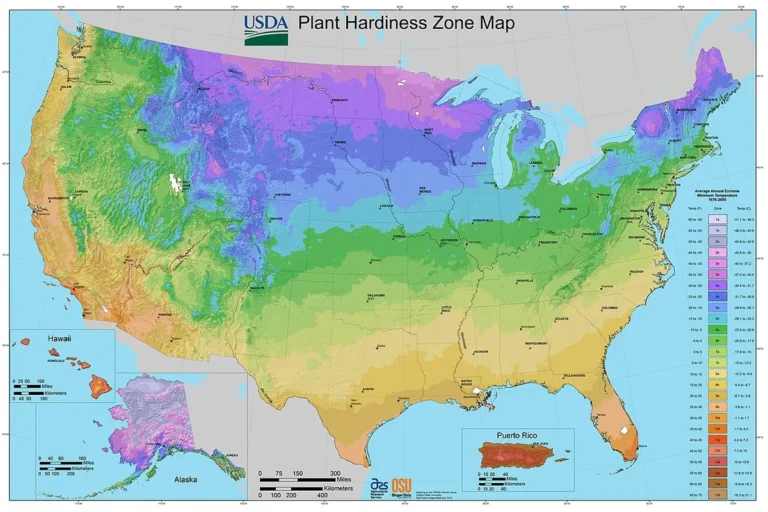
Forget your USDA Hardiness Zone for a minute. It tells you about winter lows, not about soil, rainfall patterns, or which plants co-evolved here. The US is divided into 104 distinct EPA Level III ecoregions, from the Coastal Prairie to the Great Basin. Plants are adapted to these, not just temperature bands.
Action: Search "EPA ecoregion map" and find yours. Or call your county extension office. Ask: "What's the dominant native plant community in my area?" That's your target.
Sun, Soil, and Water: The Real Yard Audit
Stand in your garden at noon. Answer these:
- Sun: Does that spot get six hours of direct sun? That's full sun. Four? Partial shade. Less? Full shade.
- Soil moisture: After a heavy rain, does water puddle for hours (wet) or drain fast (dry)? Squeeze a handful. Sandy falls apart. Clay holds a shape. Loam crumbles easily.
- Soil type: Is it pure sand, heavy clay, or something in between?
Write this down. A plant that thrives in your neighbor's clay will rot in your sandy patch.
Host Plants vs. Nectar Plants: Who's Coming to Dinner?
This is the make-or-break split. You need both:
| Plant Role | Purpose | Examples |
|---|---|---|
| Nectar Plants | Feed adult butterflies and bees. | Coneflowers, Bee Balm, Goldenrod |
| Host Plants | Where butterflies lay eggs; caterpillar food. | Milkweed (Monarchs), Pipevine (Swallowtails), Violets (Fritillaries) |
Skip host plants, and you get visitors, not residents. It's that simple.
Thinking in Layers: Building a Real Habitat
Wildlife doesn't live in a flat field. It uses vertical space. Mimic this:
- Canopy: Tall trees (20-30m). Think Redbud or Tulip Poplar.
- Understory: Shrubs (2-8m). Buttonbush, New Jersey Tea.
- Herbaceous: Perennials and grasses (0.3-2m). Coneflowers, Milkweed.
- Ground: Low spreaders and sedges (<0.3m). Wild Ginger, native sedges.
This layered approach supports exponentially more species. It also looks more natural and feels calmer.
Decision Branches: Match Your Conditions to the Right Plants
Now, let's match your yard audit to the plants that will actually survive and thrive. Do not skip this step. Planting the wrong thing is the fastest route to disappointment.
Full Sun & Dry Soil: Prairie Powerhouses
You have south-facing slopes, sandy soil, or hot driveways. You need drought-busters.
Go-to plants:
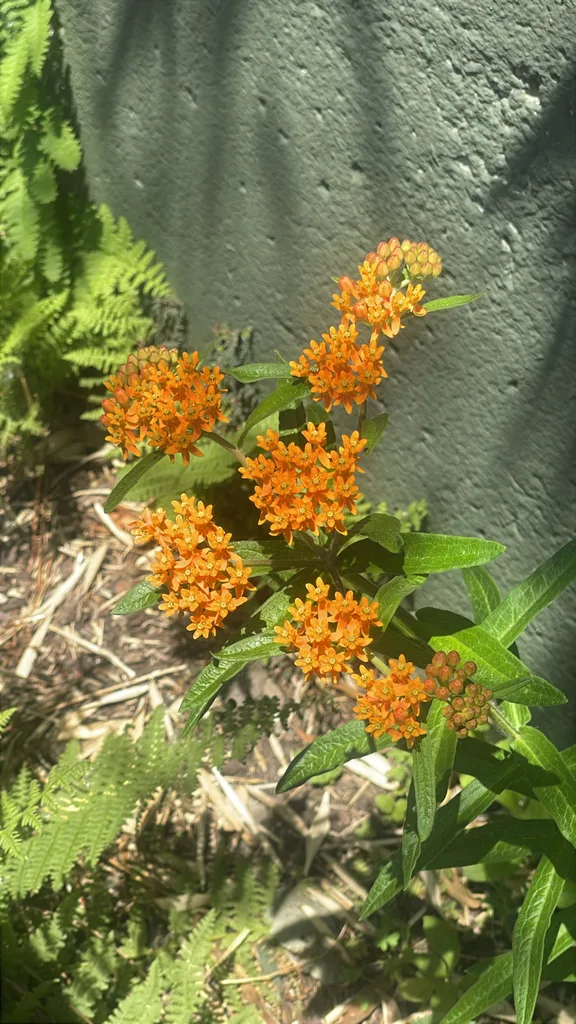
- Butterfly Weed (Asclepias tuberosa), Monarch host, loves heat.
- Blazing Star (Liatris spicata), Bee and butterfly magnet.
- Prairie Clover (Dalea purpurea), Fixes nitrogen, tough as nails.
- Little Bluestem (Schizachyrium scoparium), Native grass, host for skipper butterflies.
Avoid: Moisture lovers like Ironweed or Cardinal Flower. They'll sulk and die.
Full Sun & Moist Clay: Wetland Edge Specialists
Think rain gardens, low spots, or areas near downspouts. Soil holds water but isn't a pond.
Go-to plants:
- Swamp Milkweed (Asclepias incarnata), Yes, it's different from Butterfly Weed. Loves wet feet.
- Joe-Pye Weed (Eutrochium purpureum), Huge butterfly draw, loves moisture.
- Cardinal Flower (Lobelia cardinalis), Hummingbirds, but butterflies love it too.
- Blue Flag Iris (Iris versicolor), Early nectar, wet soil staple.
Avoid: Anything labeled "drought tolerant." It won't stand the sogginess.
Partial Shade: Woodland Edge Workhorses
The dappled light under a high canopy or the east side of your house. Most flexible category.
Go-to plants:
- Wild Bergamot (Monarda fistulosa), Bee Balm, mildew-resistant native.
- Golden Alexanders (Zizia aurea), Early spring host for Black Swallowtails.
- Native Thistles (Cirsium), Yes, thistles. Goldfinches and butterflies adore them.
- Beardtongue (Penstemon digitalis), Tough, white flowers, bee favorite.
Avoid: Deep shade plants (like Foamflower) planted where they'll get roasted.
Full Shade: Forest Floor Foundations
Under mature trees, north-facing slopes. Low light, often dry because of tree roots.
Go-to plants:
- Wild Columbine (Aquilegia canadensis), Early spring, host for Columbine Duskywing.
- Foamflower (Tiarella cordifolia), Spreads nicely, delicate flowers.
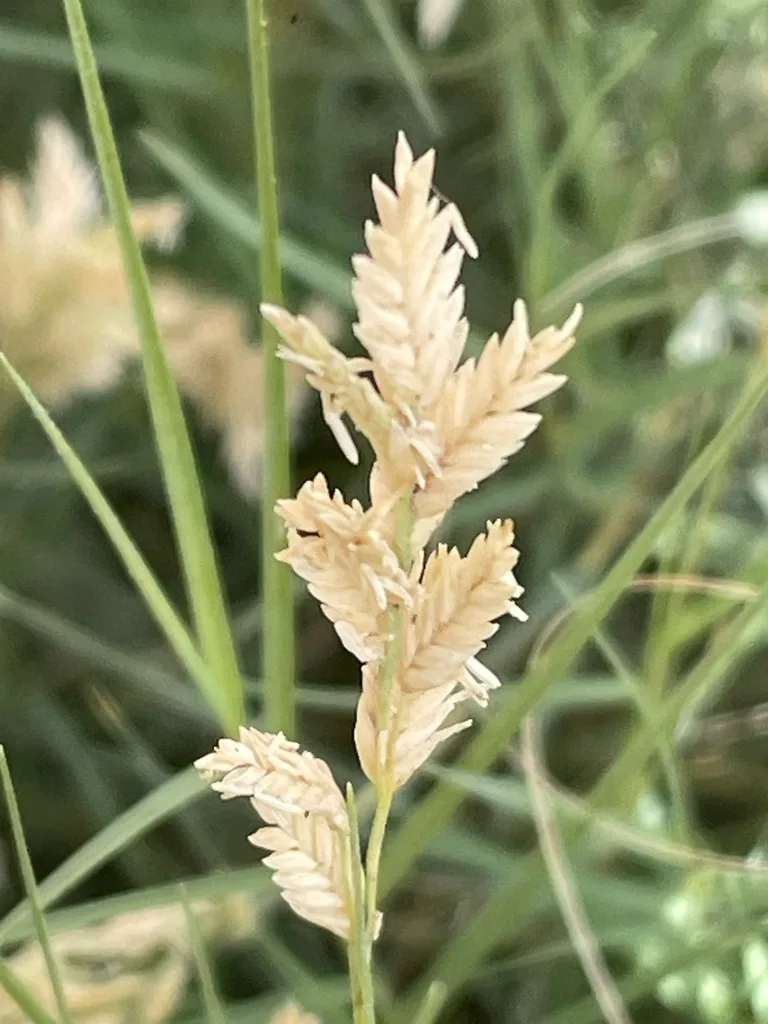
- Native Sedges (Carex), Not grasses. They provide cover and food. Use Carex pennsylvanica.
- Christmas Fern (Polystichum acrostichoides), Evergreen cover for overwintering insects.
Avoid: Sun-lovers like coneflowers. They'll become leggy ghosts.
The Bloom Sequence Strategy: No Gaps, No Hunger
A common mistake is planting only summer bloomers. Insects are hungry year-round. You need a succession of food.
Early Spring: Waking Up Hungry
Bees emerge early. Caterpillars hatch when leaves unfurl.
- Willow (Salix spp.), Critical first nectar and pollen.
- Maple (Acer spp.), Early pollen source.
- Pipevine (Aristolochia macrophylla), Host for Pipevine Swallowtails.
- Wild Lupine (Lupinus perennis), Host for endangered Karner Blue butterfly.
Summer: The All-You-Can-Eat Buffet
Peak activity. This is your showy season.
- Milkweed (Asclepias spp.), Non-negotiable Monarch host and nectar.
- Coneflower (Echinacea purpurea), Classic, reliable, multi-purpose.
- Bee Balm (Monarda fistulosa), Extends bloom time.
- Yarrow (Achillea millefolium), Native version, flat landing pads for bees.
Late Summer/Fall: Fueling Up for Winter
Migrating Monarchs need fuel. Queens and males hibernating need fat reserves.
- Goldenrod (Solidago spp.), The ultimate late-season powerhouse. Don't fear it.
- Asters (Symphyotrichum spp.), Purple blooms, endless nectar.
- Mountain Mint (Pycnanthemum muticum), Bees go crazy for it.
- Sunflower (Helianthus spp.), Native perennials, not the 6ft annuals.
Critical rule: Plant at least three species that bloom in each window. If one fails, the others cover you. This is called "continuous bloom." It's not optional.
Planting Your Pollinator Powerhouse: The Workflow
Now, let's turn your plan into action. This is a workflow for success.
Step 1: Sourcing Truly Native Stock (Skip the Big Box Stores)
This is where most fail. Big box stores often sell "natives" grown from non-local seed or treated with neonicotinicides (neonics). These pesticides poison pollinators.
Do this instead:
- Find a local native plant nursery. Use your state's native plant society directory.
- Call your county extension office. Ask for their plant sale dates. These are gold.
- Search "Xerces Society nursery directory". They vet for neonic-free suppliers.
- Ask: "Are these plants grown from local ecotype seed?" If they hesitate, leave.
Step 2: The First Weekend: Layout and Planting
- Start small. A 100 sq ft bed (10ft x 10ft) is perfect. You can always expand next year.
- Plant in drifts. Group the same plant in clusters of 3 or 5. This helps pollinators locate them.
- Use the layer concept. Place taller plants (Joe-Pye) at the back, medium (Coneflower) in the middle, groundcovers (Sedges) in front.
- Water deeply after planting. Then water every other day for two weeks, then taper off.
Step 3: The Critical First Year: Watering and Weeding
Natives are tough once established, but they need babying the first season.
- Weed relentlessly. Invasives outcompete young plants. Mulch with leaf litter if you can, not wood chips (they tie up nitrogen).
- Water during drought. Even drought-tolerant plants need a drink their first summer if it's dry.
- Do not fertilize. Natives thrive in poor soil. Fertilizer promotes weak growth and pests.
Step 4: What NOT to Do: Stop Gardening Like You Used To
This is where people undo their good work.
- Stop deadheading. When flowers fade, leave the seed heads. Bees nest in the hollow stems. Birds eat the seeds. Let plants stand until late winter.
- Stop raking leaves. Leaf litter is winter housing for pupae and overwintering queens. Blow leaves into your bed, not out of it.
- Stop spraying anything. Even organic pesticides harm beneficials. Trust the balance you've built.
By spring of year two, you'll have a self-sustaining system. The plants will have deep roots, and you'll see more insects each season. That's the workflow.
Critical Mistakes That Poison Your Efforts
Even with good plants, a few critical errors can undo all your work. Avoid these at all costs.