Guide to Guerrilla Gardening With Native Wildflowers in 2026
Thinking about transforming those drab, overlooked spots in your neighborhood into vibrant, living oases? You're not alone. Guerrilla gardening with native wildflowers is a powerful way to inject beauty and ecological purpose into urban landscapes, often without official permission. It's a quiet revolution, turning concrete grey into a haven of color and life.
But it's more than just scattering seeds; it's a thoughtful process. Our research shows that successful projects consider soil health and local biodiversity from the start. We're going to walk through how to approach this, ensuring your efforts create a lasting positive impact and don't accidentally cause harm.
Why "Rebel" Gardening with Native Wildflowers Matters
You know those forgotten corners, the neglected tree pits, or the scruffy verges that just scream for some TLC? That's where guerrilla gardening steps in. It's an act of reclamation, a way to breathe life and color into spaces that bureaucracy often overlooks. We're talking about turning urban blight into ecological bright spots, one seed at a time.
This isn't just about aesthetics, though a burst of native color can certainly lift spirits.
What we're really doing here is boosting urban greening and helping local biodiversity. Cities, as of 2026, cover roughly 3% of the Earth’s land but disproportionately impact ecosystems far beyond their boundaries. By planting native wildflowers, we're creating crucial pollinator habitats for species like native bees and butterflies, which are essential for ecosystem health. It’s a grassroots movement that tackles environmental issues directly and tangibly.
What Exactly Is Guerrilla Gardening with Native Wildflowers?
At its heart, guerrilla gardening is the act of cultivating plants on land that you don't legally own or have permission to use. When we add "native wildflowers" to that, it becomes a specific, ecologically-minded version of the practice. Instead of just planting anything, we're focusing on species that naturally belong in that region.
This approach means selecting plants that are adapted to the local climate, soil types, and existing wildlife. For example, a Black-eyed Susan ( Rudbeckia hirta ) is a fantastic native choice across much of North America, providing nectar and pollen for a range of insects. It’s about more than just a pretty flower, it's about restoring a piece of the original ecosystem, however small, within an urban jungle. It's a quiet act of environmental stewardship, designed to benefit the local environment and its inhabitants.
Your Pre-Planting Power-Up: The Site Assessment Decision Tree
Before you even think about scattering seeds, you need to become a detective. Seriously, assessing your chosen "target" site is the single most important step. Without it, your efforts might literally be fruitless. Think of this as your decision tree, guiding you through crucial choices.
Step 1: Uncover Your Site's Secrets (Sun, Soil, Water)
This is where you put on your scientist's hat. Every successful plant project starts with understanding its environment.
- Sunlight Exposure: Observe the spot throughout the day. Does it get full sun (6+ hours), partial sun (3-6 hours), or mostly shade (less than 3 hours)? This will dictate your plant choices. If it's heavily shaded by buildings, don't expect sun-loving wildflowers to thrive.
- Soil Type & Quality: Urban soils are often compacted, nutrient-poor, or even contaminated. Can you dig into it easily? Does it look like construction fill or healthy topsoil? A quick "squeeze test" can help: if you squeeze a handful of damp soil and it holds its shape, you likely have clay; if it crumbles, it's probably sandy. You don't need a full lab test for guerrilla gardening, but a general idea helps you pick resilient native species.
- Water Availability: Does the spot get natural rainfall, or is it under an overhang? Is there any chance of occasional supplemental watering, especially during dry spells? Most native wildflowers, once established, are drought tolerant, but they'll need help getting started. If your chosen spot is bone dry, consider species known for extreme drought resistance.
Step 2: Researching Truly Native Wildflowers for Your Region
This isn't just about pretty flowers; it's about ecological integrity. The term "native" is critical. You don't want to accidentally introduce an aggressive non-native plant that could outcompete local flora.
- Why Native? Native plants are adapted to your specific climate and soil, require less water and care once established, and are crucial food and host sources for local wildlife, especially pollinators and beneficial insects.
- Where to Research: Start with your state's native plant society, university extension services, or even local botanical gardens. These resources will have lists of plants that are truly native to your specific ecoregion or USDA Plant Hardiness Zone. For example, the Xerces Society for Invertebrate Conservation provides excellent regional guides focusing on pollinator-friendly native plants.
- Avoid the "Wildflower Mix" Trap: Many commercially sold "wildflower mixes" contain non-native, or even invasive, species. Always check the ingredients list. If it doesn't list species names, or includes terms like "naturalized," be wary.
Step 3: The "Risky Business" Check: Legalities & Public Perception
Alright, let's talk about the "guerrilla" part. You're operating on land that isn't yours, so there are some inherent risks and ethical considerations.
- Legal Risks: Trespassing is the most obvious one. Depending on your local laws and the property owner, you could face anything from a polite request to stop, to fines, or even more serious charges. Public nuisance ordinances can also apply if your planting is perceived negatively. We're not lawyers, but our research on urban greening initiatives often highlights these potential issues.
- Property Ownership: A quick online check of property records (often available through municipal websites) can sometimes reveal who owns the land. If it’s private property, your risks are higher. Public land might be more forgiving, but still not officially permissible.
- Public Perception: This is huge. If your planting looks like an intentional effort to beautify and clearly uses native, non-weedy species, you're much less likely to face opposition. A patch of vibrant Milkweed ( Asclepias syriaca ) attracting Monarch butterflies is usually seen differently than a tangle of unknown plants. Consider if your spot is highly visible, or more tucked away.
Crafting Your Arsenal: Seeds, Seed Bombs, or Both?
Once you know your site and your chosen plants, it's time to gather your materials. You've got a couple of main routes here: pure seeds or seed bombs. Each has its pros and cons, and your site assessment will help you decide which is best.
- Direct Seeds:
- Pros: Generally less labor-intensive to prepare, can be spread over larger areas quickly, often more economical in bulk.
- Cons: More susceptible to seed predation (birds, rodents), can wash away in heavy rain, and require some initial soil contact for best germination.
- Best For: Larger, less disturbed areas with relatively stable soil, where you can lightly rake the seeds in or rely on natural processes.
- Seed Bombs: These are small balls of clay, compost, and seeds. Think of them as tiny, biodegradable seed delivery systems.
- Pros: Protects seeds from predators and erosion, provides a micro-environment for germination, easier to "toss" into hard-to-reach areas. They also look a bit more intentional and less like random litter.
- Cons: More time-consuming to make, can be heavier to carry in large quantities, and require more material (clay, compost).
- Best For: Smaller, harder-to-reach spots, compacted urban soils, or areas with a higher risk of seed disturbance.
You can also use a combination. Maybe seed bombs for a tricky slope and direct seeds for a flatter, more open area. The key is using ethically sourced, regionally appropriate native wildflower seeds. This means buying from reputable nurseries or organizations that specialize in native plants, not just generic garden centers.
Getting Your Hands Dirty: A Step-by-Step Planting Workflow
Alright, it’s time for action! You've done your homework, you've chosen your spot, and you've got your seeds or seed bombs ready. Now, let’s get those beauties planted. This is your practical workflow for getting those seeds established.
Sourcing Seeds Ethically and Preparing Your Mix
First things first: where do your seeds come from? Ethical sourcing means buying seeds that are native to your specific region and haven't been treated with harmful pesticides. Look for vendors who specify the origin of their seeds.
If you're making seed bombs, the recipe is simple:
- Ingredients:
- 5 parts powdered red clay (pottery clay or natural clay powder works well)
- 3 parts quality compost (for nutrients and water retention)
- 1 part native wildflower seeds (e.g., regionally appropriate Milkweed, Coneflower, Aster varieties)
- Water (as needed to form a dough)
- Method:
- Mix the clay and compost thoroughly in a bowl.
- Add your native seeds. Don't go crazy; a little goes a long way.
- Gradually add water, mixing until you get a firm, workable dough that holds its shape but isn't sticky.
- Roll into small balls, about 1/2 to 1 inch in diameter.
- Let them air dry for 24-48 hours until hardened. Store them in a cool, dry place until planting day.
Timing is Everything: When to Plant for Best Results
This is a decision based heavily on your local climate and the specific native plants you've chosen. For many native wildflowers, especially perennials, fall or late winter planting often yields the best results.
- Fall Planting (late October through early December, before hard freezes): This mimics nature's cycle. Seeds get exposed to a period of cold stratification (a chilling period necessary for many native seeds to break dormancy) over winter. They then germinate naturally in spring when conditions are just right.
- Late Winter/Early Spring Planting (February through April, as ground thaws): This also works for species requiring cold stratification, as the remaining cold helps. It's also suitable for annual wildflowers that don't need a cold period. The key is to plant before temperatures get too hot and dry, which can hinder germination.
Always check the specific requirements for your chosen native plant species; some might have unique needs.
The "Drop and Hope" (with a bit of science) Method
This isn't about perfectly tilled rows, it's about making the most of what you've got.
- Site Prep (Minimal): If the ground is severely compacted, try to loosen the top inch or two with a small trowel or a sturdy stick. Remove any obvious large weeds or trash. You don't need a perfect seedbed, but a little prep goes a long way.
- Dispersal:
- Seeds: Scatter them evenly over the prepared area. You can lightly rake them in, or just gently press them into the soil surface to ensure some soil contact. Don't bury them too deeply; most wildflower seeds need light to germinate.
- Seed Bombs: Toss them onto the target area. The clay will help them stick and break down slowly, releasing the seeds over time. Aim for even distribution.
- Initial Watering (Crucial!): This is where many guerrilla gardeners fall short. If possible, give the area a good initial watering after planting, especially if it's spring or if rainfall isn't immediately forecast. This helps settle the seeds into the soil and kickstarts germination. After this initial soak, nature will ideally take over, especially with drought-tolerant native species.
Rookie Mistakes? Not You! Avoiding Common Guerrilla Gardening Blunders
Even with the best intentions, it's easy to make a few missteps when you're starting out. Understanding these common pitfalls ahead of time will dramatically increase your chances of success and minimize any negative impacts. We want your efforts to be celebrated, not accidentally cause problems.
The Invasive Species Trap
This is perhaps the most critical mistake to avoid. The goal of using native wildflowers is to support local ecosystems, not disrupt them. Introducing an invasive species, even accidentally, can outcompete true native plants, reduce biodiversity, and even harm local wildlife.
- What to Watch For: Many common garden plants and even some "wildflower" mixes contain species like Dame's Rocket (Hesperis matronalis), Purple Loosestrife (Lythrum salicaria), or Crown Vetch (Coronilla varia), which are highly aggressive and invasive in many regions.
- Your Safeguard: Always double-check your seed sources against local invasive species lists, usually available from your state's Department of Environmental Protection or university extension. If you're ever in doubt about a plant, err on the side of caution and choose a different, well-vetted native option.
Forgetting the Follow-Up Care (Initial Watering!)
You’ve scattered your seeds or tossed your seed bombs, and now you’re relying on nature, right? Mostly, yes, but those first few days and weeks are absolutely crucial for germination and establishment. Neglecting initial watering is a frequent cause of low success rates.
- Why It Matters: Seeds need consistent moisture to sprout. If they dry out shortly after germinating, those tiny seedlings won't survive. Think of a baby, it needs consistent nourishment, and so do tiny plants.
- What to Do: If you can safely and discreetly do so, give the area a good watering a few times in the week or two after planting, especially if there's no rain. Once seedlings are a few inches tall, and particularly if you've chosen drought-tolerant natives, they'll be much more resilient. This early support makes all the difference.
Ignorance Isn't Bliss: Why Researching Your Spot Matters
Remember that site assessment decision tree? Skipping or rushing through it is another common mistake. If you don't understand the specific conditions of your planting spot, you're essentially planting blind.
- The Consequences: Planting sun-lovers in deep shade, or species that need rich soil in compacted, nutrient-poor ground, is a recipe for failure. You'll waste seeds, time, and effort, and see very little growth.
- The Solution: Take the time to observe sun exposure, test the soil, and assess water runoff as discussed earlier. This crucial homework means you're planting the right native wildflowers in the right place, significantly boosting your chances of a vibrant, thriving patch. It’s about working with the environment, not against it.
The Wild Rewards: Benefits Beyond Beauty
So, why go through all this effort for a patch of wildflowers that aren't officially yours? The benefits extend far beyond a pretty view. Guerrilla gardening with native wildflowers creates tangible, positive impacts for both the environment and the community. We're talking about real ecological wins.
- Increased Local Biodiversity: Our research consistently shows that even small patches of native wildflowers can significantly increase insect diversity. They provide vital food sources (nectar and pollen) and host plants for various pollinators, including bees, butterflies, and moths.
- Support for Native Pollinators: Many native bee species, for example, have very specific dietary needs, relying on particular native plant families. By planting these, you're directly supporting their survival. This is crucial as pollinator populations face global decline, impacting agriculture and natural ecosystems.
- Improved Urban Aesthetics and Well-being: Let's not completely dismiss the visual impact. A vibrant patch of wildflowers brightens up dull urban spaces, making them more inviting and pleasant. Exposure to green spaces has even been linked to improved mental well-being and reduced stress levels in urban dwellers.
- Cost-Effective Ecological Impact: Compared to large-scale, formal landscaping projects, guerrilla gardening is incredibly low-cost. A few packets of seeds and some effort can create a significant ecological impact for minimal financial outlay. It empowers individuals to make a difference without needing big budgets or formal approvals.
- Enhanced Ecosystem Health: These small pockets of nature contribute to what we call "ecosystem services." They can help with stormwater runoff absorption, improve local air quality, and even help moderate urban heat island effects. It’s about building a healthier, more resilient urban environment from the ground up.
Beyond the Backyard: When Guerrilla Gardening is the Right Choice
Guerrilla gardening isn't for every situation, and it's certainly not a replacement for sanctioned park management or habitat restoration. However, there are specific scenarios where it shines as an effective, empowering approach. It's often about identifying neglected opportunities.
This method is best suited for overlooked, underutilized, or entirely abandoned public or semi-public spaces that aren't actively being maintained. Think about the places where official resources simply aren't reaching.
- Neglected Public Spaces: This is the classic scenario. Abandoned lots, unkempt roadside verges, median strips, or empty tree pits along sidewalks are prime targets. These spots are often eyesores and offer little ecological value.
- Urban "Corridors": You might find long, thin strips of land, perhaps along fences, unused railway lines, or under utility poles. These can be transformed into "pollinator pathways," connecting existing green spaces and helping wildlife move through the urban landscape.
- Community Engagement Catalyst: Sometimes, a small act of guerrilla gardening can inspire broader community action. A successful wildflower patch can spark conversations, draw attention to neglected areas, and even lead to sanctioned community gardening projects down the line. It acts as a proof-of-concept.
Smart & Safe: Pro Tips and Important Considerations
As you embark on your guerrilla gardening adventures, keeping a few expert tips in mind will ensure your projects are as impactful and problem-free as possible. This isn't just about planting; it's about being a responsible, thoughtful "eco-activist."
- Start Small: Don't try to tackle an entire city block on your first go. Begin with a manageable patch, perhaps a few square feet. This allows you to learn from the process, observe what works (and what doesn't), and build confidence. You can always expand later.
- Go Native, Always: We can't stress this enough. Reconfirm that every species you plant is unequivocally native to your specific area and non-invasive. When in doubt, leave it out. Your local university extension office or native plant society is your best friend here.
- Choose Resilient Species: For guerrilla gardening, opt for tough, drought-tolerant, and self-seeding native wildflowers. These plants are more likely to thrive with minimal intervention. Examples might include Common Milkweed (Asclepias syriaca), Wild Bergamot (Monarda fistulosa), or various Aster species, depending on your region.
- Discretion is Key: While the goal is to beautify, you're still operating without explicit permission. Work quickly, ideally during off-peak hours, and avoid drawing unnecessary attention to yourself. The aim is to let the flowers do the talking, not to get caught in a confrontation.
- Monitor and Observe: After planting, keep an eye on your spot. Are the seeds germinating? Is anything else sprouting that looks like a weed you should remove (if safe to do so)? How are the plants interacting with the environment? This feedback loop is invaluable for future projects.
- Consider "Sacrificial" Spots: Sometimes, picking a spot that's truly forgotten, perhaps behind a wall or a less-trafficked alley, might offer less risk of immediate removal or official intervention. It gives your plants a better chance to establish themselves before they become highly visible.
Your Wildflower FAQ
You've got questions, we've got straightforward answers. Guerrilla gardening sparks a lot of curiosity, and we want to make sure you feel confident and clear on the key aspects. Here are some of the most common questions we hear.
How long does it take for the wildflowers to grow?
The time it takes for native wildflowers to grow varies quite a bit depending on the species and planting season. Some annual wildflowers might show sprouts in a few weeks and bloom in a couple of months, while many perennials can take a full year or more to establish a robust root system before flowering in their second season. Patience is definitely a virtue here.
Do I need to water them after they've sprouted?
Generally, once native wildflowers have germinated and developed a few true leaves, they become much more self-sufficient, especially if you've chosen species appropriate for your climate and its typical rainfall. However, if you're experiencing an extended drought period during their first year of establishment, some supplemental watering could significantly improve their chances of long-term survival. After their first year, they should manage almost entirely on their own.
What if someone removes my plants?
It's a possibility, and it's something you have to be prepared for as a guerrilla gardener. Since you don't own the land, you don't have control over whether your plantings are left alone. Sometimes, plants are removed by maintenance crews, property owners, or even by people who misunderstand your intentions.
If removal happens, don't take it personally. It's an inherent risk of the activity. You can always try again in a different spot, perhaps one that's less visible or prone to disturbance. Think of it as a learning experience, adapting your strategy for future efforts.
How can I ensure my wildflowers don't spread aggressively?
Choosing native and non-invasive species is the best way to ensure your wildflowers don't become a problem. True native plants have co-evolved with local ecosystems and are naturally kept in check by local conditions and wildlife. They won't aggressively take over areas where they don't belong.
Avoid any species labeled as "vigorous self-seeders" if you're concerned about spread, and always cross-reference your choices with regional invasive species lists from trusted sources like your state's Department of Natural Resources. Stick to plants that are known to be well-behaved in your specific ecoregion.
Can I guerrilla garden in winter?
Yes, absolutely! Winter is actually an ideal time for "winter sowing" many native wildflower seeds. Many native seeds require a period of cold stratification to break dormancy and germinate. Planting them in late fall or early winter allows them to experience these natural chilling cycles, leading to better germination rates in the spring.
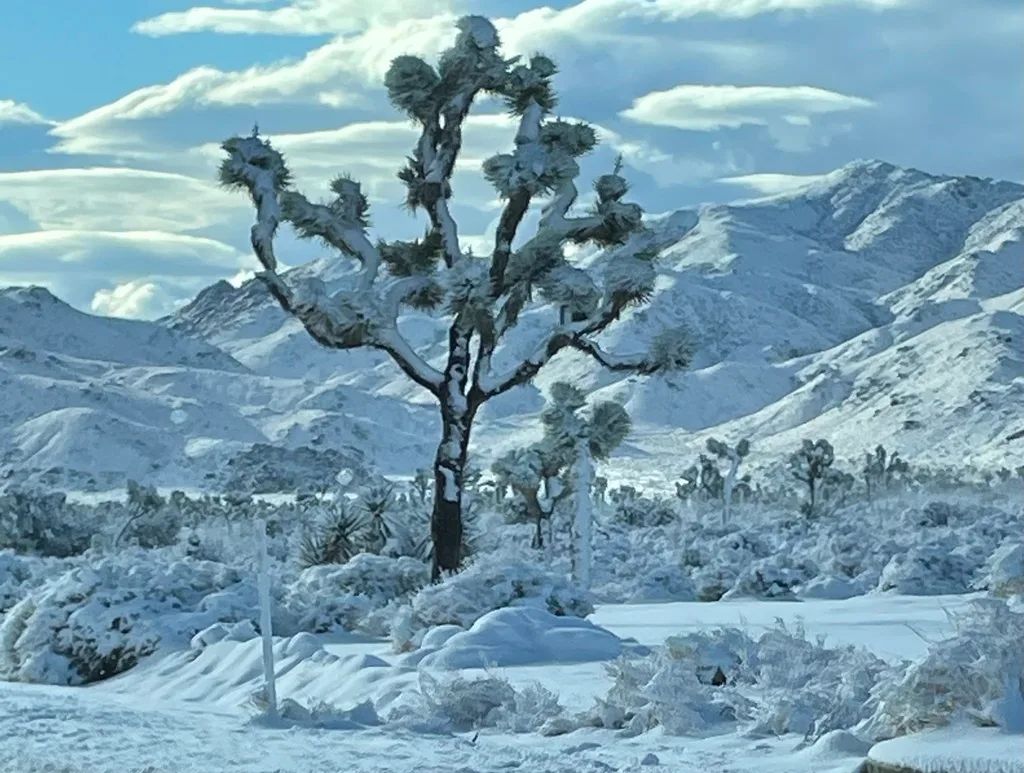
The snow and freezing temperatures help break down the tough outer coatings of some seeds and mimic the natural conditions they'd experience in the wild. Just make sure the ground isn't completely frozen solid when you're trying to spread seeds or place seed bombs.
Ready to Spark Change? Your Final Decision Guide
You've learned the ropes, understood the risks, and hopefully, you're feeling inspired to make a difference. Guerrilla gardening with native wildflowers is a powerful, accessible way to contribute to local ecology and enhance urban beauty. It's a small act with potentially huge ripple effects for pollinators and human well-being.
Your journey starts with a simple choice: "Is there a neglected spot yearning for some life?" If the answer is yes, then your next steps are clear.
If you're considering a new guerrilla gardening project, ask yourself these key questions:
- Is the site truly neglected and unmaintained? (If not, seek official channels first.)
- Have I thoroughly researched native and non-invasive wildflower species for my specific region? (Crucial for ecological integrity.)
- Do I understand the site's conditions (sun, soil, water) well enough to choose appropriate plants? (Ensures success, reduces wasted effort.)
- Am I aware of the potential legal implications and prepared for the possibility of removal? (Manages expectations and risks.)
- Am I willing to provide a little initial care (like watering) to help the plants establish? (Boosts germination and survival rates.)
If you can confidently answer "yes" to these, you're ready to pick up your seeds, head out, and quietly transform a corner of your urban world. Remember, every native plant you establish helps weave a stronger, more vibrant ecological tapestry for your community. It's about bringing a bit of wild back to the concrete, one beautiful bloom at a time. Go forth and green!