Guide to High Altitude Balcony Garden Tips: Real Buyer Picks
So, you're dreaming of a lush, vibrant garden, but your balcony happens to be way up high where the air is thin, the sun is fierce, and the winds can whip? You're not alone. Figuring out effective high altitude balcony garden tips requires a completely different approach than gardening at sea level. We're talking about a unique set of challenges that can make even the hardiest plants struggle if you don't know the ropes.
It's all about understanding the specific conditions that come with elevation. For instance, UV radiation can increase by about 10-12% for every 1,000 meters (around 3,280 feet) of elevation, per a study published in the Journal of Photochemistry and Photobiology. That intense sun means thirsty plants and scorched leaves if you're not prepared. Let's dive into how you can turn your high-altitude balcony into a thriving green oasis.
Why High-Altitude Balcony Gardening Is a Different Ballgame
Gardening at high altitudes isn't just a slight variation, it's a whole new ballgame. The higher you go, the more pronounced certain environmental factors become. We're dealing with reduced atmospheric pressure, which can affect plant respiration, alongside drastically lower humidity levels that dry out plants faster than you'd expect. It's a tough environment, but totally manageable with the right know-how.
Then there are the extreme temperature fluctuations. You might have scorching hot, sunny days followed by freezing nights, even in summer. This wide diurnal range stresses plants, impacting their growth and fruit production. Plus, the growing season itself is often much shorter, giving you less time for your plants to mature before the first frost arrives.
Your Balcony's Unique Microclimate: The First Step to Success
Before you even think about buying seeds or soil, take a good look at your balcony. Every balcony creates its own microclimate, especially at high altitudes. This means the specific conditions on your balcony might be quite different from your neighbor's, even if you're on the same floor. Understanding these nuances is crucial for success.
We're looking at sun exposure, wind patterns, and how your building interacts with the weather.
What's Your Altitude & Sun Exposure?
Knowing your exact altitude is key, as it dictates the intensity of UV radiation and the general temperature range. A balcony at 5,000 feet will have different needs than one at 9,000 feet. Next, track your sun exposure. A south-facing balcony will get direct sun for most of the day, which sounds great, but at high altitude, this can mean extreme heat and severe sunburn for plants.
North-facing balconies get less direct light, which might be a blessing for some varieties.
Think about how other buildings or features might cast shadows throughout the day. If you have intense afternoon sun, you might need to plan for some partial shade during the hottest hours. If you're on a north-facing balcony, you'll want plants that don't mind a bit less direct light.
How Much Wind Does Your Balcony Get?
Wind is a huge, often underestimated, factor at high altitudes. Strong winds can dehydrate plants incredibly quickly, literally sucking the moisture right out of their leaves. They can also cause physical damage, snapping stems or even knocking over entire containers.
Stand out on your balcony and feel the wind at different times of day. Is it a gentle breeze or a relentless gale? If you're exposed, you'll definitely need to consider robust plant choices and structural windbreaks. Even a strategically placed trellis or a sturdy outdoor rug can help block some of that persistent wind.
Understanding Your Hardiness Zone and Growing Season
Your USDA Plant Hardiness Zone tells you which plants are most likely to survive the winter in your area. At high altitudes, these zones can drop significantly. For example, parts of Colorado at 8,000 feet might be Zone 4 or 5, while lower elevations are Zone 6 or 7. Always check your specific zone, not just your general state's.
Beyond winter survival, you need to know your average last and first frost dates. This defines your true growing season, which is often much shorter at altitude. This information dictates when you can safely plant seedlings outdoors and when you'll need to start planning for harvest or frost protection in the fall. You might only have 60-90 frost-free days in some regions, so choosing fast-maturing varieties is critical.
Choosing the Right Plants for Your High-Altitude Balcony
Plant selection is probably the most critical decision for a high-altitude balcony garden. You can't just pick anything you like; you need plants built for tough conditions. We're looking for resilience against strong UV, cold nights, and persistent winds. Think "tough love" plants.
Cold-Hardy Vegetables That Thrive
Many vegetables can do well at altitude, but you need to prioritize those with shorter maturity times or a tolerance for cooler temperatures. Leafy greens are often a fantastic choice.
Here are some excellent options:
- Lettuce & Spinach: Quick growers, often don't mind cooler temps, and can handle some shade from intense sun.
- Radishes: Ready to harvest in as little as 3-4 weeks. Great for succession planting.
- Peas: Many varieties are cold-tolerant and can be planted early.
- Kale & Swiss Chard: Very hardy, can tolerate light frosts, and some varieties even taste better after a chill.
- Bush Beans: Look for compact, bush varieties with shorter days to maturity.
- Potatoes: Can be grown in large containers or fabric grow bags. 'Yukon Gold' is a popular choice.
Remember to choose varieties bred for shorter seasons if possible. Check seed packets for "days to maturity" and aim for the lower end of the spectrum.
Drought-Tolerant Flowers and Herbs
If you're looking for beauty without constant watering worries, drought-tolerant plants are your friends. They're often naturally adapted to harsher, drier conditions, making them perfect for exposed balconies.
Consider these options:
- Marigolds: Cheerful, hardy, and can deter some pests.
- Nasturtiums: Edible flowers and leaves, plus they're quite resilient.
- Lavender: Loves sun, very drought-tolerant once established, and smells amazing.
- Thyme & Rosemary: Mediterranean herbs that thrive in full sun and well-draining soil.
- Sedum: Succulents that come in many varieties, offering texture and color.
- Yarrow: A native perennial with feathery foliage and flat-topped flower clusters.
These plants often prefer well-draining soil and can bounce back even if you miss a watering.
Succulents and Alpine Favorites
This is where high-altitude gardening gets really fun. Succulents and true alpine plants are practically custom-made for these conditions. They've evolved to handle intense sun, rocky soil, and significant temperature swings.
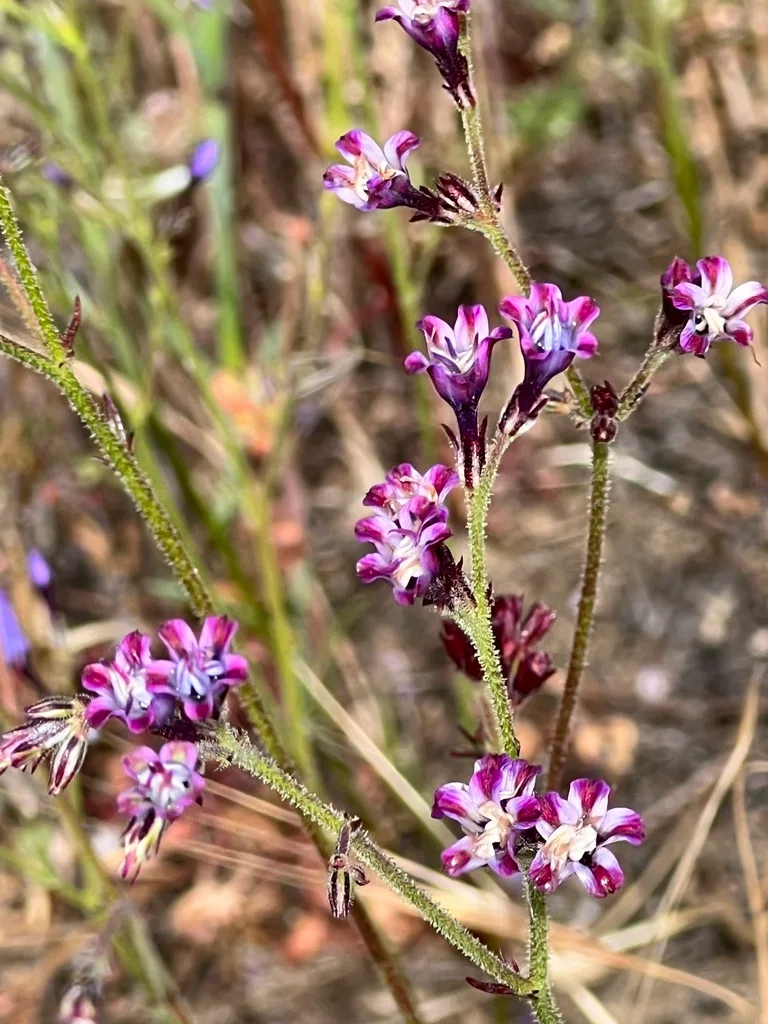
Look for varieties like:
- Sempervivum (Hens and Chicks): Incredibly hardy, available in many colors and textures.
- Sedum: As mentioned, many types are perfect for containers and alpine conditions.
- Delosperma (Ice Plant): Bright, cheerful flowers that tolerate harsh conditions.
- Lewisia: Stunning, colorful flowers that look delicate but are incredibly tough.
- Dianthus (Pinks): Many alpine varieties offer beautiful flowers and a sweet fragrance.
These plants usually require excellent drainage, so amending your potting mix with grit or perlite is essential. They're also often compact, making them ideal for smaller balcony spaces.
Container Choices: More Than Just Pretty Pots
Choosing the right container is more important than you might think, especially at altitude. It's not just about aesthetics; it's about providing the best possible environment for your plants to survive and thrive. Different materials have different properties that will impact soil temperature, moisture retention, and overall plant health.
Materials That Matter: Terra Cotta, Plastic, or Fabric?
Each material has its pros and cons in a high-altitude setting:
- Terra Cotta/Clay Pots:
- Pros: Porous, allows excellent airflow to roots, and helps prevent root rot. Evaporative cooling can be a benefit in intense sun.
- Cons: Dries out extremely quickly in low humidity and high winds, requiring frequent watering. They are also heavy and can crack in hard freezes.
- Plastic Pots:
- Pros: Retain moisture well, lightweight, and often inexpensive. Less prone to cracking in winter.
- Cons: Can overheat in direct high-altitude sun, potentially cooking roots. Poor drainage can lead to root rot if not managed properly.
- Fabric Grow Bags:
- Pros: Excellent aeration (air-pruning roots), good drainage, and can help with evaporative cooling. Lightweight and flexible.
- Cons: Dry out even faster than terra cotta, especially smaller sizes. May not be as aesthetically pleasing for all balcony designs.
- Glazed Ceramic/Concrete Pots:
- Pros: Durable, good moisture retention (like plastic but heavier), and very attractive.
- Cons: Can be extremely heavy, posing balcony weight concerns. Can also overheat roots if dark-colored and in direct sun.
For most high-altitude balconies, a mix of materials, used strategically, might be your best bet.
Drainage and Insulation: Protecting Those Roots
Good drainage is non-negotiable. Whether you're using plastic, terra cotta, or fabric, every container needs adequate drainage holes to prevent waterlogging and root rot. Adding a layer of gravel or broken pot shards at the bottom isn't actually necessary and can even hinder drainage; just make sure the holes are clear.
Insulation, however, is a game-changer for high-altitude container gardening. The extreme temperature swings mean soil temperatures can plummet at night or bake during the day. This stress can harm roots.
Consider these insulation tactics:
- "Pot-in-a-Pot": Place a smaller plastic pot (with your plant) inside a larger, decorative pot. Fill the gap with mulch, straw, or even old bubble wrap for an insulating air layer.
- Wrapped Containers: For larger, permanent pots, wrap the outside with burlap, bubble wrap, or a thick layer of insulation, especially during cooler months.
- Winter Protection: Move smaller containers indoors or group them tightly against a warm wall for added protection against sudden frosts.
Balcony Weight Limits: Don't Overload!
This is a critical safety consideration that many new balcony gardeners overlook. Building codes and HOA regulations often specify weight limits for balconies. Soil, water, and containers can become incredibly heavy, especially when wet. One cubic foot of wet soil can weigh over 100 pounds!
Before you load up your balcony with giant ceramic pots and raised beds, know your limits. Check with your building management or a structural engineer if you're unsure. Distribute weight evenly, and use lightweight potting mixes. Prioritize fabric grow bags and plastic containers over heavy concrete or ceramic when possible, especially for larger plants.
Always err on the side of caution to ensure your balcony remains safe and sound.
Mastering High-Altitude Soil and Watering
Soil and watering practices are often the biggest hurdles for high-altitude gardeners. The unique combination of intense sun, low humidity, and wind means your usual gardening methods might not cut it. We need to create an environment where roots can thrive without drying out too fast or getting waterlogged. It’s a delicate balance, but totally achievable.
The Perfect Potting Mix for Fast Drainage
High-altitude environments demand a potting mix that drains quickly while still holding onto some moisture. Standard bagged potting soil often compacts too much or dries out too slowly, leading to problems. Your goal is aeration and good drainage.
Consider a custom blend like this:
- 1 part quality potting soil: This provides basic nutrients and structure.
- 1 part perlite or pumice: These lightweight amendments drastically improve drainage and aeration. Perlite is often more readily available.
- 1 part coco coir or peat moss: These help retain moisture without becoming soggy, providing a buffer against rapid drying. Coco coir is a more sustainable option.
- A handful of compost: Boosts nutrient content and beneficial microbes.
This blend gives roots the air they need while providing a sponge-like quality to hold water and nutrients. Always make sure your mix feels light and fluffy, not dense and heavy.
Watering Strategies for Dry Air and Intense Sun
Because of the dry air and strong sun at high altitudes, your plants will probably need water more frequently than you’re used to. Forget the "water once a week" rule. It’s all about monitoring.
Here’s a smarter approach:
- The Finger Test: Stick your finger about two inches into the soil. If it feels dry, it's time to water. This is the simplest and most reliable method.
- Morning Watering: Water early in the morning. This allows the plants to drink deeply before the heat of the day, reducing evaporative loss. It also ensures leaves dry before nightfall, which can help prevent fungal issues.
- Deep and Thorough: When you water, do it thoroughly until water drains from the bottom of the pot. Shallow watering encourages shallow roots, making plants more susceptible to drought.
- Consider Self-Watering Planters: These can be a lifesaver, especially for larger plants or when you're away. They have a reservoir that wicks water up to the roots, providing a consistent supply.
- Mulch: A layer of organic mulch, like wood chips or straw, on top of the soil helps retain moisture, regulate soil temperature, and suppress weeds. It’s an easy win.
Watch your plants closely. Wilting leaves are an obvious sign of thirst, but they can also be a sign of overwatering (root rot). Check the soil moisture carefully before adding more water.
Nutrient Needs: Feeding Your High-Altitude Plants
High-altitude plants, especially those in containers, need consistent nutrients. Frequent watering can leach nutrients out of the soil quickly, so regular feeding becomes important. Starting with a rich potting mix that includes compost is a great first step.
Beyond that, you'll need to supplement.
- Slow-Release Granular Fertilizer: Mix these into your potting soil at the beginning of the season. They release nutrients gradually over several months, providing a steady supply.
- Liquid Fertilizer: Apply a balanced liquid fertilizer (like a 5-1-1 or 10-10-10 NPK ratio) every 2-4 weeks, diluted according to package directions. This gives plants a quick boost, especially during their active growing phase.
- Compost Tea: A natural, gentle way to feed your plants and introduce beneficial microbes. You can brew it yourself or buy pre-made solutions.
Always follow manufacturer recommendations for application rates. More isn't better; over-fertilizing can burn roots, which is especially detrimental in already stressed high-altitude conditions.
Protecting Your Plants: Wind, Sun, and Frost
These three environmental factors are the biggest plant killers at high altitudes. If you don't actively protect your plants from them, you're setting yourself up for disappointment. Luckily, there are simple, effective strategies you can employ.
Smart Windbreak Solutions
Windbreaks don't have to be elaborate permanent structures. They just need to disrupt the direct flow of wind.
Consider these options:
- Solid Panels: Sturdy bamboo screens, plexiglass, or even a section of lattice can be very effective. Make sure they're securely fastened and meet any HOA or building regulations.
- Dense Plantings: If you have larger, robust plants like ornamental grasses or dwarf conifers, they can act as living windbreaks for smaller, more delicate plants grouped behind them.
- Furniture & Structures: Strategically placing an outdoor shelf, a sturdy bench, or even a large, empty pot can provide shelter from prevailing winds.
- Fabric Barriers: Heavy-duty shade cloth or specialized windbreak netting can be temporarily stretched across exposed areas. These are permeable, reducing wind speed without creating turbulence.
The goal isn't to block all air circulation, but to reduce the damaging force of direct wind.
When to Use Shade Cloth
Intense high-altitude UV rays can cause plant sunburn, leading to bleached or crispy leaves. Shade cloth is a simple, effective solution. It's essentially a mesh fabric that blocks a percentage of sunlight.
- Percentage Matters: For most high-altitude balconies, a 30-50% shade cloth is usually sufficient. Higher percentages might block too much light for fruiting vegetables.
- Installation: Drape it over a simple frame, attach it to your balcony railing, or suspend it over a specific plant that's struggling. It's often only needed during the peak sun hours of the day (e.g., 11 AM to 3 PM).
- Watch for Signs: If you see leaves turning yellow, white, or crispy, especially on the sun-exposed side, it's a strong indicator that your plants need shade.
It's all about providing a gentle respite from the scorching midday sun without hindering overall growth.
Overwintering and Frost Protection
The short growing season and unpredictable frosts mean you'll need a plan for either protecting or overwintering your plants.
- Sudden Frosts (Spring/Fall):
- Move Small Pots: Bring small, tender plants indoors or into a sheltered garage/shed overnight.
- Cover Large Pots: Use lightweight blankets, bedsheets, or purpose-made frost cloths to cover plants. Make sure the cover extends to the ground to trap warmth. Remove covers once temperatures rise the next morning.
- Watering Before Frost: A good watering before a frost can help insulate the soil, as wet soil retains heat better than dry soil.
- Winter Overwintering:
- Dormancy: Many perennials and some vegetables (like kale) can survive if well-insulated or brought into an unheated garage to go dormant. Reduce watering significantly.
- Bring Indoors: For truly tender plants, bringing them indoors to a sunny window is the only option. Research specific plant needs for indoor care.
- Annuals: Accept that many annuals won't survive the winter and plan to replant them in spring.
Having a frost plan in place can save your plants and extend your growing season by weeks.
Common Mistakes High-Altitude Balcony Gardeners Make
Even experienced gardeners can stumble when they first tackle high-altitude balcony gardening. A lot of the "rules" you might know just don't apply. Recognizing these common pitfalls can save you a lot of frustration and wasted effort. We've seen these time and again, so pay attention.
- Ignoring the Wind: This is probably the number one mistake. Wind doesn't just knock plants over; it desiccates them at an alarming rate, leading to crispy leaves and stunted growth. Not planning for wind protection will almost guarantee failure.
- Using Standard Potting Soil: As discussed, regular soil isn't formulated for the fast-drying, rapid nutrient-leaching conditions of high-altitude containers. It'll either dry out instantly or become compacted and waterlogged.
- Underestimating UV Intensity: Just because it feels cool doesn't mean the sun isn't brutal. Plant sunburn is very real and often mistaken for disease or nutrient deficiency.
- Overwatering OR Underwatering: It sounds contradictory, but both are common. Gardeners either overcompensate for dryness and drown plants, or they don't water enough to keep up with evaporation and wind. The finger test is your friend.
- Ignoring Balcony Weight Limits: This isn't just about plant health, it's about safety. Filling a balcony with heavy concrete planters and wet soil can exceed structural limits, leading to serious hazards. Always prioritize lightweight options or distribute weight carefully.
- Planting Too Late (or Too Early): The short growing season means timing is everything. Planting tender seedlings before the last frost date is risky. Planting too late might mean your plants don't have enough time to mature before the first fall frost.
- Not Insulating Containers: Roots in containers are far more exposed to temperature swings than those in the ground. Without insulation, roots can suffer from both extreme heat and freezing temperatures, stunting growth or killing the plant.
These mistakes are avoidable, and addressing them preemptively will dramatically increase your chances of success.