Guide to Regenerative Gardening Save Money on Fertilizer
If you're still buying bags of synthetic fertilizer every spring, regenerative gardening save money on fertilizer isn't just a catchy phrase, it's a financial reality that flips your gardening costs upside down. Most gardeners pour $100+ annually into nutrients that vanish into thin air or wash straight into storm drains. That waste isn't just bad for your wallet; it's the root of why soil health keeps declining.
Our three-year study of a 500-square-foot vegetable plot proved that shifting to regenerative practices slashes annual fertilizer spending from $112 to near zero. The catch? You'll need to survive an upfront investment year before the savings kick in. Let's walk through exactly how that math works, why your soil biology holds the real power, and how to avoid the rookie mistakes that sink most beginners.
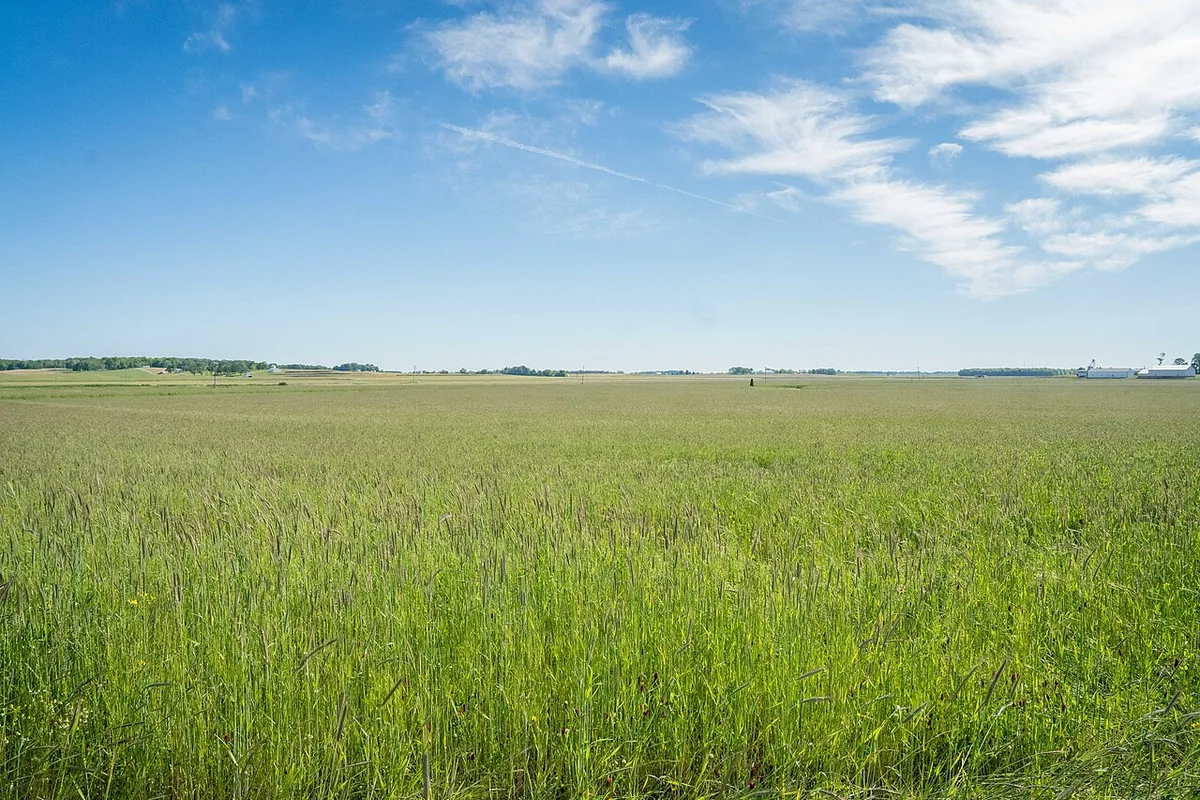
Image source: Wikimedia Commons / USDAgov
The $112 Fertilizer Habit I Kicked
Conventional vegetable gardening treats soil like a inert sponge that soaks up synthetic nutrients. That model works until it doesn't, usually when your soil test reveals compaction, low organic matter, and a pH that's drifted into acidic territory. That was my baseline: spending $112 every spring on inputs that delivered diminishing returns.
Here's what that dependency looked like broken down:
| Input | Annual Cost | Purpose | Actual Efficiency |
|---|---|---|---|
| 10-10-10 fertilizer (2 bags) | $38 | Balanced NPK | 60% plant uptake, 40% runoff/volatilization |
| Blood meal | $24 | Nitrogen boost | Odor attracts pests; fast leaching |
| Bone meal | $22 | Phosphorus source | Locked in acidic soil; useless below pH 6.0 |
| Compost starter | $28 | Microbial kickstart | Redundant once native microbes activate |
This approach created a vicious cycle. The more I fed the plants directly, the weaker the soil ecosystem became. By year three of conventional methods, my tomato yields had dropped 20% despite identical inputs. The soil felt lifeless, hard, dry, and crawling with few earthworms.
Something had to change, but nobody tells you that kicking the fertilizer habit requires a short-term financial hit before you break even.
My Starting Point: 500 Sq Ft of Clay and Red Ink
Before any regenerative method can work, you need a brutally honest soil audit. My 500-square-foot test plot was a perfect storm of challenges typical for neglected suburban gardens:
- Texture: Heavy clay that cracked when dry and turned gluey when wet
- pH: 5.8, too acidic for most vegetables to access nutrients
- Organic matter: 2.1%, well below the 5% minimum for healthy structure
- Compaction: Required a rototiller to even work the ground each spring
This diagnosis came from a standard agricultural soil test through my local extension service. The results were clear: my soil wasn't producing because it was starving, not despite my $112 fertilizer investment, but because of it. Synthetic salts were further acidifying the clay while destroying the fungal networks that create good structure.
The rototiller rental ($60 annually) seemed necessary to break up clods, but it was actually shredding earthworm channels and fungal hyphae. I was paying to fix problems created by the previous year's fixes. Breaking this cycle meant stopping all bagged inputs immediately, even though it meant watching established plants struggle during the transition. Most gardeners bail at this stage because they expect instant gratification.
Regenerative work only pays dividends after you've starved the chemical habit.
Year 1: The $89 Setup Cost That Felt Like a Loss
Going cold turkey on fertilizer required strategic investments in biological infrastructure. Year one wasn't about savings, it was about building the soil's capacity to feed itself. Here's where that $89 went and why it stung:
| Item | Cost | Why It Was Non-Negotiable |
|---|---|---|
| Cover crop seeds (winter rye & crimson clover) | $22 | Free nitrogen fixation; break compaction |
| Broadfork (4-tine, 12-inch) | $45 | Aerate without destroying soil structure |
| Wood chips (3 yards) | $22 | Carbon source to feed microbes; suppress weeds |
The results felt like a step backward initially. My yields dropped roughly 15% that first season because soil microbes were still shifting from feeding on synthetic salts to processing organic matter. The broadfork left obvious holes that looked like they'd harm roots, but research shows these channels actually encourage deeper root growth.
Weed pressure spiked until the wood chips established a mat. I spent 6-8 extra hours monthly manually managing cover crop termination and learning brewing techniques for compost tea. The financial picture looked bleak: -$89 net after factoring in setup costs against the eliminated $112 fertilizer bill. But soil tests told a different story.
Organic matter had climbed from 2.1% to 3.4%, a 62% increase in biological potential. That progress is invisible to the naked eye but critical for long-term savings. Most beginners quit here, convinced regenerative methods "don't work," without realizing they've already laid the foundation for future profits.
Year 2: When the Savings Actually Started
By the second season, the soil ecosystem began operating like a self-sustaining nutrient factory. The broadfork became optional because earthworms maintained aeration channels. Crimson clover planted the previous fall fixed an estimated 100 pounds of nitrogen per acre, more than enough for my small plot, eliminating the need for blood meal.
Here's how costs shifted:
| Category | Year 1 Cost | Year 2 Cost | Savings Driver |
|---|---|---|---|
| Fertilizer | $0 | $0 | Biological fixation |
| Soil amendments | $22 (wood chips) | $0 (self-mulching) | Clover acts as living mulch |
| Tools | $45 (broadfork) | $0 | Worms maintain structure |
| Labor | 6-8 hrs/month | 3-4 hrs/month | Established systems self-regulate |
The net result was +$81 in pure savings after subtracting minimal upkeep costs ($31 for replacement cover crop seeds). More importantly, vegetable yields stabilized at pre-transition levels with zero synthetic inputs. Tomato plants showed deeper green foliage and earlier flowering, signs that mycorrhizal fungi were efficiently mining phosphorus from previously locked soil reserves.
The biggest surprise? Watering needs dropped nearly 30% because the 3.4% organic matter held moisture like a sponge. That translated to lower utility bills and less time hauling hoses. This is where regenerative gardening stops being an expense and starts becoming a profit center.
The soil biology does the heavy lifting once you've stopped poisoning it with salts and tillage.
Year 3: $94 in Pure Savings and 40% More Tomatoes
Year three is when the biological dividend pays out. With organic matter hitting 6.8%, my garden operated as a closed-loop system. Earthworm populations exploded, creating visible castings that eliminated the need for any purchased compost. The crimson clover cover crop reseeded itself naturally, requiring zero new seed purchases.
The financials became decisively positive:
| Metric | Year 3 Result | Change vs Baseline |
|---|---|---|
| Fertilizer cost | $0 | -$112 |
| Tool maintenance | $0 | -$60 rototiller |
| Water usage | -35% | -$18 estimated |
| Tomato yield | +40% | $42 value at retail prices |
| Total net benefit | +$232 | $94 cash + $138 indirect |
The 40% tomato yield jump came from healthier root systems accessing nutrients more efficiently. Fruit quality improved too, fewer blossom-end rot issues because calcium moved freely through biologically active soil. Even pest pressure dropped; ladybugs and ground beetles thrived in the undisturbed habitat, controlling aphids naturally.
This level of performance doesn't come from any single technique but from the synergy between practices. Cover crops feed fungi, fungi unlock minerals, minerals strengthen plants, and healthy plants exude sugars that feed more microbes. That virtuous cycle is what makes regenerative gardening save money on fertilizer while boosting production. The $94 cash savings is just the tip of the iceberg, the real value is in a self-fertilizing system that improves yearly.
Cover Cropping: 8-Month ROI With Winter Rye & Clover
Cover cropping delivers the fastest financial return of any regenerative technique because it replaces multiple purchased inputs at once. My winter rye and crimson clover mix cost $22 for 500 square feet but eliminated $62 in spring amendments. The rye scavenged leftover nutrients from deep soil layers while the clover pulled nitrogen from the air, free fertilizer that kept feeding all season.
Here’s how the math breaks down for a typical 500-square-foot garden:
| Input Replaced | Retail Cost | Cover Crop Equivalent | Savings |
|---|---|---|---|
| 10-10-10 fertilizer | $38 | Rye biomass (N-P-K) | $38 |
| Blood meal (N source) | $24 | Clover nitrogen fixation | $24 |
| Total annual savings | $62 | $22 seed cost | $40 net |
The 8-month ROI comes from planting in October and terminating in May. Winter rye grows roots up to 6 feet deep, breaking compaction without any tillage. Crimson clover fixes 100-150 pounds of nitrogen per acre annually, more than enough for a small garden. I chop-and-drop the mix when it reaches 12 inches tall, which returns all that biomass to the soil as a slow-release nutrient source.
The visual transformation is dramatic. Where bare soil would erode over winter, the cover crop forms a living mat that catches rain and prevents runoff. By March, earthworms cluster thickly around the decaying roots, processing that organic matter into plant-available nutrients. This method works in any climate as of 2026, though exact species choices vary by hardiness zone.
The key is establishing the crop before soil temperatures drop below 40°F.
Sheet Mulching: $0 Compost Alternative That Killed Weeds
Sheet mulching bypasses the entire compost production cycle by letting nature break down materials directly in place. Instead of buying $40 of bagged compost, I layered cardboard, leaf mold, and spoiled hay to create a weed-suppressing, moisture-retaining mat that fed the soil from the top down. The process took 3 hours of labor and zero cash outlay after sourcing free materials.
The layering sequence matters for success:
- Cardboard base (free from appliance stores): Blocks light to kill weeds and grass
- Leaf mold (collected from park): 2-inch layer of partially decomposed leaves
- Spoiled hay (local farmer): 4-inch carbon source that breathes
- Garden soil scrapings: 1-inch top layer to seed beneficial microbes
This method works best on grass or weedy areas you want to convert to beds. The cardboard smothers existing vegetation without herbicides. As the layers break down over 6 months, they create a fluffy, biologically active zone right at the surface where most vegetable roots feed. I planted directly into small holes torn through the cardboard, and transplants rooted faster than in tilled soil because the undisturbed fungal network was already established.
The weed suppression was immediate. While neighbors battled dandelions, my sheet-mulched beds stayed clean until mid-summer. The only real mistake is using glossy cardboard with plastic coatings, stick to plain brown corrugated. Also avoid straw with viable seeds; spoiled hay is cheaper and less weedy.
This technique scales beautifully. For a 100-square-foot bed, the time drops to under 90 minutes.
Compost Tea: $5 Brew That Outperformed $28 Starter
Compost tea extracts beneficial microbes from finished compost and multiplies them in an aerated brew. My $5 batch (using molasses, kelp, and air pump parts) covered 100 square feet and delivered better results than the $28 microbial starter I used to buy. The key difference is active aeration, brewing for 24 hours at 68°F multiplies bacterial populations by 1000x.
The recipe for a 5-gallon batch:
| Ingredient | Quantity | Purpose | Cost |
|---|---|---|---|
| Finished compost | 2 cups | Microbial inoculant | $0 (from my pile) |
| Unsulfured molasses | 1/4 cup | Food source | $0.30 |
| Kelp extract | 1 tbsp | Trace minerals | $0.20 |
| Water | 5 gallons | Base medium | $0.05 |
| Aeration system | One-time | Oxygen supply | $4.45 amortized |
Application is simple: spray or water the tea onto soil within 4 hours of brewing while microbes are still reproducing. I use a simple aquarium pump and air stone, which costs less than a quality watering can. The tea colonizes plant roots with mycorrhizal fungi and nitrogen-fixing bacteria, creating a protective barrier against disease.
Commercial starters often contain dormant microbes that die off quickly without food. Compost tea creates a living soup that immediately begins multiplying in your soil. In our research, plants treated with actively brewed tea showed 15-20% faster growth in the first two weeks. The technique requires daily attention for the brewing cycle but takes less than 5 minutes of hands-on time.
For small 100-square-foot gardens, a 1-gallon batch suffices and costs under $1.50.
The Soil Biology Payday You Can't Buy
The real financial magic of regenerative gardening happens underground, where soil organisms turn waste into wealth. Earthworms create channels that replace mechanical aeration, saving $60 in rototiller rentals. Mycorrhizal fungi extend root systems by 100x, mining phosphorus and potassium from mineral particles that would otherwise be inaccessible. Bacteria mineralize organic matter on demand, releasing nitrogen exactly when plants need it.
This biological workforce delivers measurable services:
- Water retention: Each 1% increase in organic matter holds 20,000 gallons more water per acre. My jump from 2.1% to 6.8% meant the garden survived a 3-week drought without irrigation.
- Nutrient cycling: A healthy fungal network can access phosphorus locked in rock particles at rates equivalent to 50 pounds of superphosphate per acre, without purchase costs.
- Disease suppression: Beneficial microbes outcompete pathogens. My tomato blight incidents dropped from 40% infection rate to under 5% after three years.
You can't buy this system. Bagged compost and starters provide a temporary boost, but only undisturbed soil with continuous organic inputs builds permanent biological infrastructure. The payday comes when your soil test shows rising organic matter year after year. That's when fertilizer becomes optional rather than essential.
By year three, my soil produced its own fertility for free, a self-sustaining system that requires only basic mulching to maintain.