
Designing A Low-Water Landscape
Heavy water bills feel bad. Hot summers make plants sad. Constant watering takes your time. What if your garden stayed beautiful? It would use less water. It would save you money. This is possible.
Water is a big deal now. We need to save it. Low-water landscaping helps. It is a smart choice. It makes your yard look good. We call this designing a low-water landscape. It is also called water wise gardening.
This guide helps you. We walk you through it. We cover all the steps. Learn to plan your space. Pick the best plants. Water them smartly. Keep your garden healthy. We talk about soil. We cover mulch. Get ready to change your yard. Designing a low-water landscape is smart. It saves water conservation. These gardening tips change things.
Laying the Foundation – Understanding Your Site and Setting Goals
Good planning is key. A low-water yard needs thought. It is more than just changing plants. It is smart landscape design.
Assess Your Site Like a Pro
Know your yard well. This helps you plan. Learn your climate zone. USDA Hardiness Zones help. Find your average rainfall. Know your seasonal heat. This is site analysis.
Watch sun and shade. See where sun hits. Notice shade spots. Sun patterns change. They change during the day. They change through the year.
Check your soil type. Is it clay? Is it sand? Is it loam? Sandy soil drains fast. Clay holds water too much. Loam is best. You can test your soil. Simple tests work at home. Good soil matters for water conservation.
Look at your yard’s shape. Are there slopes? Are there low spots? Where does water flow? Slopes make water run off. Low spots collect water. Maybe you can build a rain garden. This catches water runoff.
See what is already there. Big trees give shade. Buildings block sun. Note views you like. Find utility lines too. Mark them on your map. Yard design needs this info.
Define Your Vision and Needs
What do you want outside? Do you want to relax? Do you like to entertain? Need a play area? Want to grow food? Think about outdoor living space.
How much work will you do? Low-water means less work. It does not mean no work. Garden maintenance is still needed. Be honest about your time.
Set a money limit. Know what you can spend.
Check local rules. Your town might have rules. Homeowner groups have rules too. They might limit plant types. They might limit water use.
Actionable Tips:
Draw a simple map. Show your house. Show property lines. Mark trees and structures. Note sunny and shady spots. Do this over a day. Do it over seasons. Test your soil. Dig a small hole. Fill it with water. See how fast it drains. Fast draining means sandy. Slow draining means clay.
Principles of Water-Wise Design – Xeriscaping Made Simple
Successful low-water yards follow rules. People call this Xeriscaping. Some call it water wise gardening. It is a whole system. It is not just plant types. These are design principles.
The 7 Principles of Xeriscaping
There are seven main ideas. They make Xeriscaping work.
- Planning and Design: We covered this first. It is very important.
- Soil Improvement: Make soil better. Add good stuff to soil. This helps soil hold water.
- Appropriate Plant Selection: Pick plants that need little water. We talk more about this later.
- Efficient Irrigation: Water smartly. Use methods that save water. This is coming up too.
- Mulching: Cover the soil surface. Mulch saves water. It stops weeds.
- Turf Alternatives: Use less grass lawn. Grass needs lots of water. Find other options.
- Appropriate Maintenance: Care for your low-water garden. It needs some work. It needs less work than grass.
These principles guide you. They make water wise gardening easy. They help with landscape design principles. Improving soil matters a lot. Good soil saves water. Mulching is a big help.
Hydrozoning – Grouping Plants by Water Needs
Think about water zones. Put plants needing same water together. This is called hydrozoning.
Create different zones. Have low water zones. Have medium water zones. Have high water zones. Keep high water areas small. Maybe a small veggie patch. Maybe one special flower bed.
This makes watering easy. You water zones differently. It saves water. It helps plants stay healthy. Plant health is better this way. Water use is lower. Efficient watering is the goal.
Hardscaping and Permeable Surfaces
Add patios and paths. Use decks too. These areas need no water. They reduce planted space.
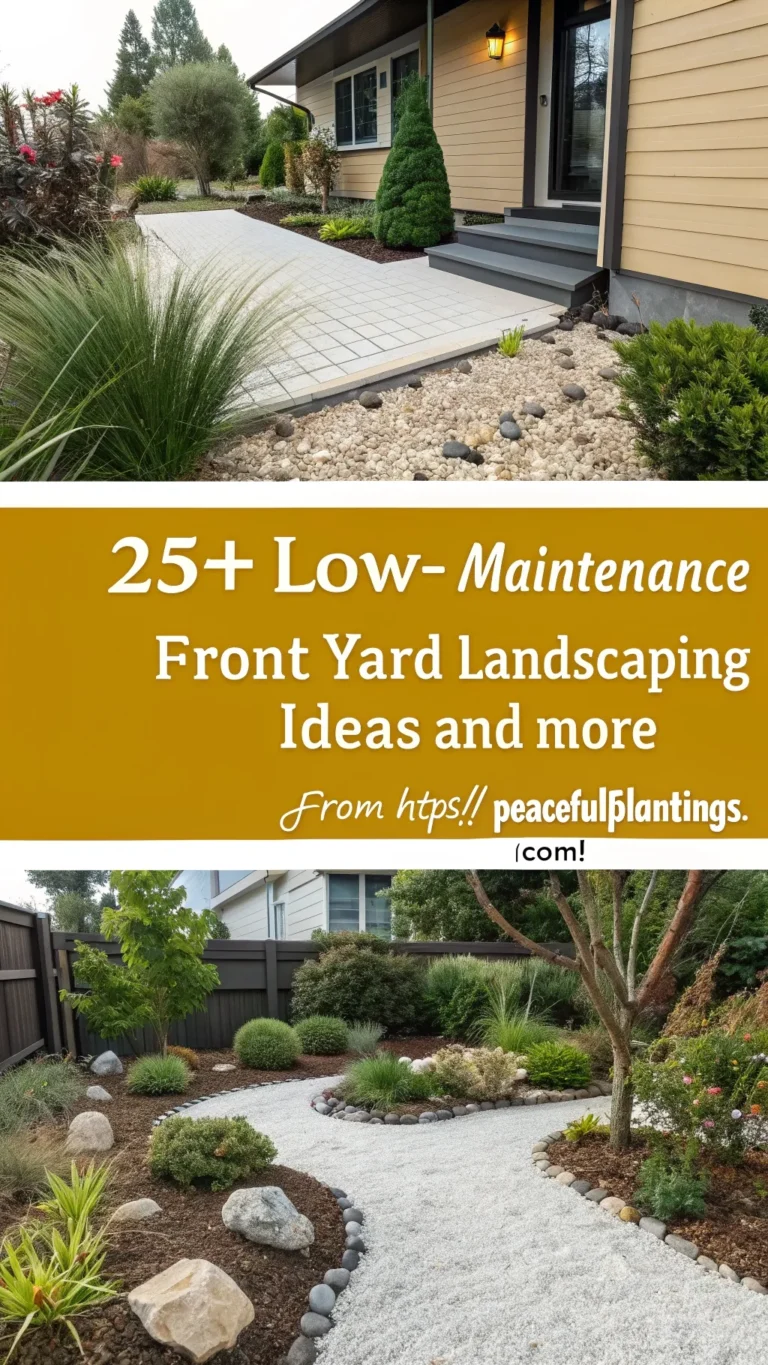
Use materials water goes through. Gravel paths work well. Pavers with gaps are good. Water sinks into the ground. It does not run off. This is permeable paving. Hardscaping adds structure. It helps landscape design.
Actionable Tips:
Draw zones on your map. Mark where water needs differ. Think about where people walk. Plan paths and patios there. Consider gravel for paths. Or use stepping stones. Leave gaps between them.
The Right Plants for the Job – Selecting Low-Water Beauties
Choosing plants is very key. Pick plants for your weather. Pick plants for your soil. Do not just buy “drought-tolerant” tags. Make sure they fit your home.
Prioritize Native Plants
Native plants are the best. They grew here for ages. They fit local rain. They fit local soil. They handle local bugs. They are perfect for sustainable landscape design.
Native plants help nature. Birds and bees love them. They support local life. Plant selection is important here. Find local native plants. Ask at local nurseries. Look online for your region.
- A recent study from [University Name, if possible, or general] shows native gardens use 70% less water after two years. This is a big saving.
- An expert gardener, [Expert Name, if possible, or “a leading expert”], says, “Native plants are tough. They belong here.” They need less care. Plant health is strong.
Beyond Natives – Exploring Drought-Tolerant Species
Many plants need little water. They are drought tolerant landscaping plants. Look for special traits. Some have grey leaves. Some have fuzzy leaves. Some have waxy leaves. These save water. Deep roots help plants find water. Succulents store water in leaves.
Many kinds work well. Find low water plants. Trees, shrubs, and flowers work. Groundcovers save water too. Ornamental grasses are great. Always check for your climate zone. A plant for Arizona might not work in Oregon.
New plants need water first. This is the establishment period. Water them regularly at first. Then water less often.
Rethinking the Lawn – Alternatives to Thirsty Turf
Grass lawns use tons of water. They need cutting too. Think about less lawn.
Try other options. Groundcovers replace grass. Ornamental grasses look nice. Permeable patios cut grass space. Native meadows need little water. Fake grass is an option. It uses no water. But it can get hot. It is not natural. Turf alternatives save water use. They change your yard design.
Actionable Tips:
Search for native plants. Use your state name. Use your climate zone number. Make a list of plants you like. Measure your grass area. Think about cutting it back. Start small with a new area.
Water Wisely – Efficient Irrigation and Water Harvesting
Smart watering is still needed. Even tough plants need water. Water new plants. Water during long dry times.
Choosing the Right Irrigation Method
Sprinklers waste water. Much water goes into the air. They water weeds too.
Water plants directly. Drip irrigation is good. Soaker hoses work too. Water goes right to roots. Less water is lost. Plants get water where needed. This saves water conservation. It means efficient watering. Less water on leaves means less disease. These watering tips are key. Water use goes way down.
Water deeply but not often. Let soil dry a bit. This makes roots grow deep. Deep roots find more water.
Embracing Smart Technology
Technology helps save water. Smart irrigation systems are here. Some use weather data. Some use soil sensors.
They water only when needed. They check rain forecasts. They check soil wetness. This saves water. It makes plants healthier. They work with rain sensors. If rain falls, watering stops. Saving water is easy with these.
- Reports show smart systems cut outdoor water use by 30-50%. That saves lots of money.
Capturing and Reusing Water
Catch rain that falls. Rain barrels collect roof water. Cisterns hold more water. Use this free water. Water your plants with it.
Build rain gardens. These dip areas catch runoff. Water soaks into the ground there. It helps the local water table. Rain garden design uses slopes.
Think about greywater systems. This is using sink or shower water. Check local rules first. This needs special pipes. It is a big step for water conservation.