
Layering Plants For Structural Diversity
Gardens sometimes look flat. They lack depth. They lose beauty after flowers fade. Tired of a garden like that? Does your yard feel one-dimensional? It needs more life.
We have a great idea. We call it Layering Plants for Structural Diversity. This makes gardens rich. They look natural. They stay beautiful all year. It helps nature thrive too.
This guide shows you how. We explain the ideas. We share design plans. We help pick plants. We show how to plant them. You can create a stunning garden. A garden with deep structure.
Learn the reasons why. Plan your garden layers. Pick the right plants. Make your design real. Let’s build a better garden.
What is Structural Diversity and Why Does it Matter?
What does structural diversity mean? It means using plants. Plants of different heights. Different shapes. Different leaf types. Think about a forest floor. It has tall trees. Shorter trees grow below. Shrubs fill spaces. Small plants cover the ground. This is natural layering.
Your garden can copy nature. This makes your garden healthy. It is more stable. We call this Ecological landscape design. It helps many living things. Think birds and bees. This adds Biodiversity. It makes your garden a home.
Layering also looks nice. It adds depth. It creates dimension. Your garden looks bigger. It has visual interest in garden. It looks good every month. Plants change through seasons. This gives Planting layers for year-round interest. It adds Seasonal interest.
Flat gardens look plain. Layered gardens look complex. They look rich. They feel complete.
Layering helps the soil. It manages water better. This is Sustainable gardening. Ground cover plants help. They protect the soil. They can stop weeds. Less weeding for you. Good soil means Plant health.
Deconstructing the Layers: Vertical Strata
Nature uses vertical layers. We can use them too. Think about height levels.
The highest level is the Canopy Layer. These are tall trees. They give shade. They create a roof.
Next is the Understory Layer. These are smaller trees. Or large shrubs. They grow under tall trees. They add another level.
Below that is the Shrub Layer. These are medium to large shrubs. They form the middle part. They add body to the garden. We use Shrubs for layering here.
Then comes the Herbaceous Layer. These are plants that die back. Flowers grow here. Grasses grow here. Ferns too. This layer has color. It adds texture. It is key for Perennial garden design.
The lowest level is Groundcover Layer. These plants hug the ground. Small plants go here. Bulbs too. Like tulips or daffodils. This layer covers the soil. It adds Bulb layer. It adds Ground cover plants.
Each layer has a job. They work together. They make a full garden.
Beyond Height: Incorporating Horizontal Layering
Layering is not just up and down. It goes side to side too. This is horizontal layering.
Plant many of one kind together. This is Mass planting. It creates blocks of color. Or texture. Repeat plants in rows. Or in waves. This makes the garden flow. It guides your eye. This is Horizontal layers garden. It adds unity.
Think about Landscape layering techniques. It uses height. It uses width. It builds Creating garden structure. It follows Garden design principles. It works for everyone. Even Gardening for beginners.
A recent study showed something. Gardens with layers have more bugs. Good bugs. Bugs that help plants. This proves layers help Biodiversity. It makes gardens stronger.
A famous gardener said this. “Layering is the soul of a healthy garden.” It feels true. It looks true.
Designing Your Layered Landscape – Planning for Success
Good design starts with thinking. Think about your space. This is Site analysis. It is the first step. It is important.
Look at the sun. Where does it shine? How long? Does it change? Know your Sunlight requirements.
Check your soil. Is it sandy? Is it clay? How does water drain? This is about Soil types. Test the soil pH.
Find wet spots. Find dry spots. Note windy areas. These are microclimates.
Know your zone. Your USDA Hardiness Zone. This tells you what plants live there. This is Garden zones.
See what is already there. Big trees? A fence? A patio? What do you want to see? What do you want to hide?
Crafting Your Design: Principles of Layering
Start with a drawing. Sketch your garden space. Draw the house. Draw the fence. Mark sunny spots. Mark wet spots. This is Garden planning.
Divide your garden. Make different areas. An area near the door. An area for sitting. An area for quiet time. These are zones.
Plan the height. Where do tall plants go? Where do short ones go? Think about the view. Think about shade. This is Plant height. This is Designing with plant strata. This builds Vertical layers garden.
Mix textures. Use plants with big leaves. Use plants with small leaves. Use feathery plants. Use spiky plants. This adds Plant texture. It adds Visual interest in garden.
Think about color. What colors do you like? Use flower color. Use leaf color. Plan for color changes.
Plan for seasons. What looks good in spring? What looks good in fall? Use evergreen plants. They stay green all winter. This is Seasonal interest. This is Planting layers for year-round interest.
Repeat plants. Use the same plant in different spots. Or the same color. This connects the garden. It creates flow. This uses Horizontal layers garden. It uses Mass planting.
Here is a simple tip. Walk your yard. Note the sun. Note the wet spots. Make a simple list. This helps your Site analysis.
Adapting to 2025 Trends in Layered Design
Garden ideas change. Some ideas are getting popular now. Think about using native plants.
Native plants belong here. They grow well in your area. They help local bugs. They help local birds. This is Native plant landscaping. It adds Biodiversity. It is Sustainable gardening. Many people choose native plants now.
Water is important. Some areas get dry. Design for less water. Choose tough plants. Plants for dry conditions. This is smart gardening.
Small spaces need layers too. Use walls. Grow plants up walls. This is Vertical gardening. It adds layers in a small area. Or use pots. Layer plants in containers. We can layer anywhere.
Choosing the Right Plants for Each Layer
Picking plants comes next. This depends on your site. Remember your analysis? Sun, soil, water, zone. These rule your choices.
Choose plants for their job. For their layer. Think about how big they get. Choose plants that fit. Fit when they are grown.
Think about care. Some plants need more work. Some need less. Choose plants you can care for. This is Plant maintenance. Healthy plants mean good Plant health.
Plant Recommendations for Each Vertical Layer
Let’s look at the layers. What plants work?
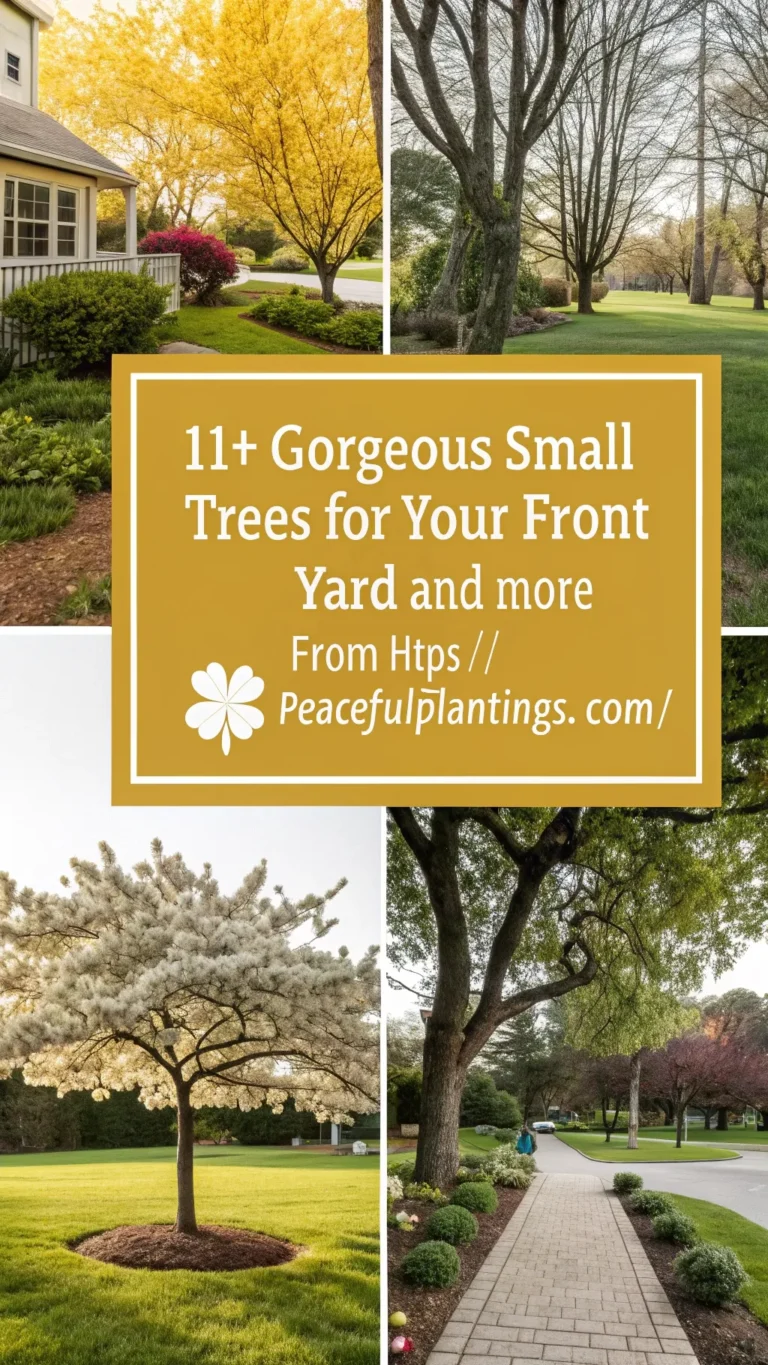
For the Canopy Layer: Choose small trees. Trees that fit your yard. Serviceberry is good. It has flowers. It has berries. Japanese Maple adds color. Some oaks stay small. These trees give shade. They give structure. This is the Canopy layer. These are Trees for small gardens.