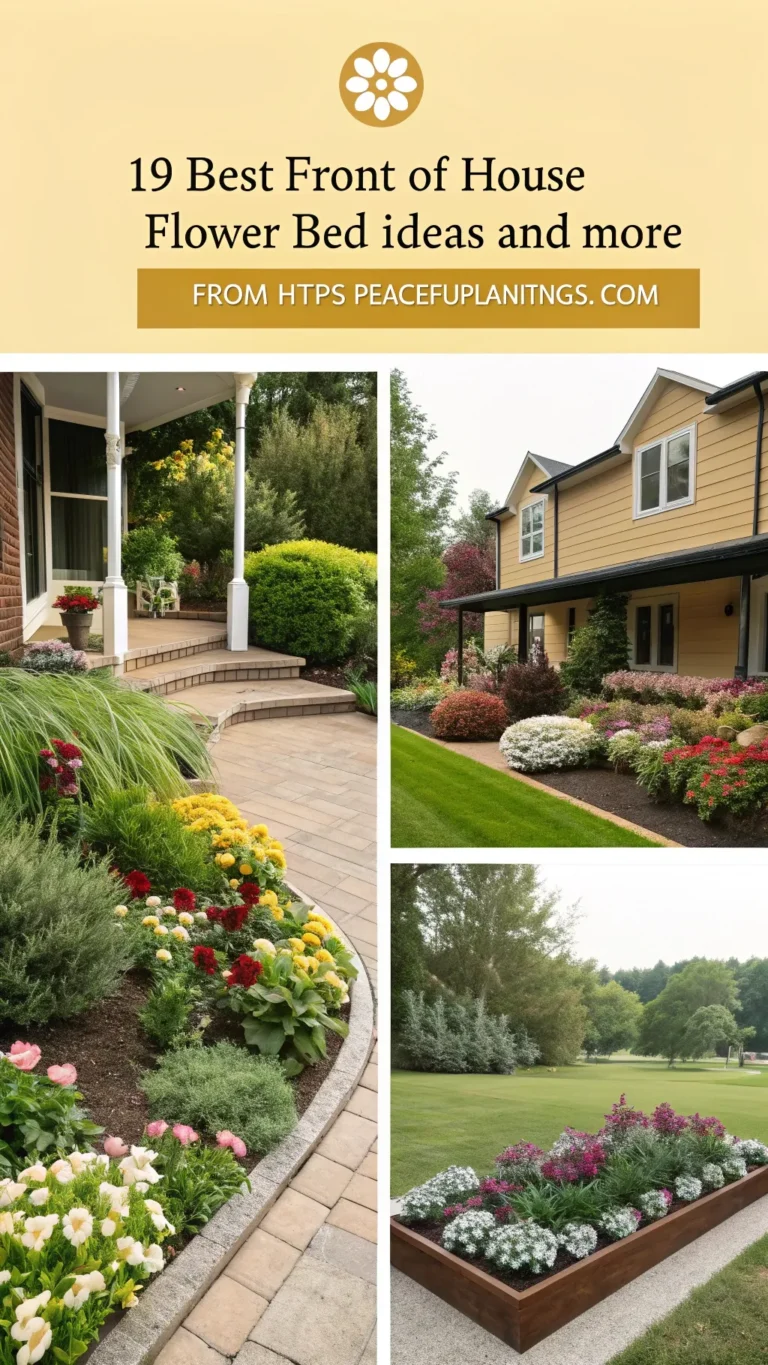
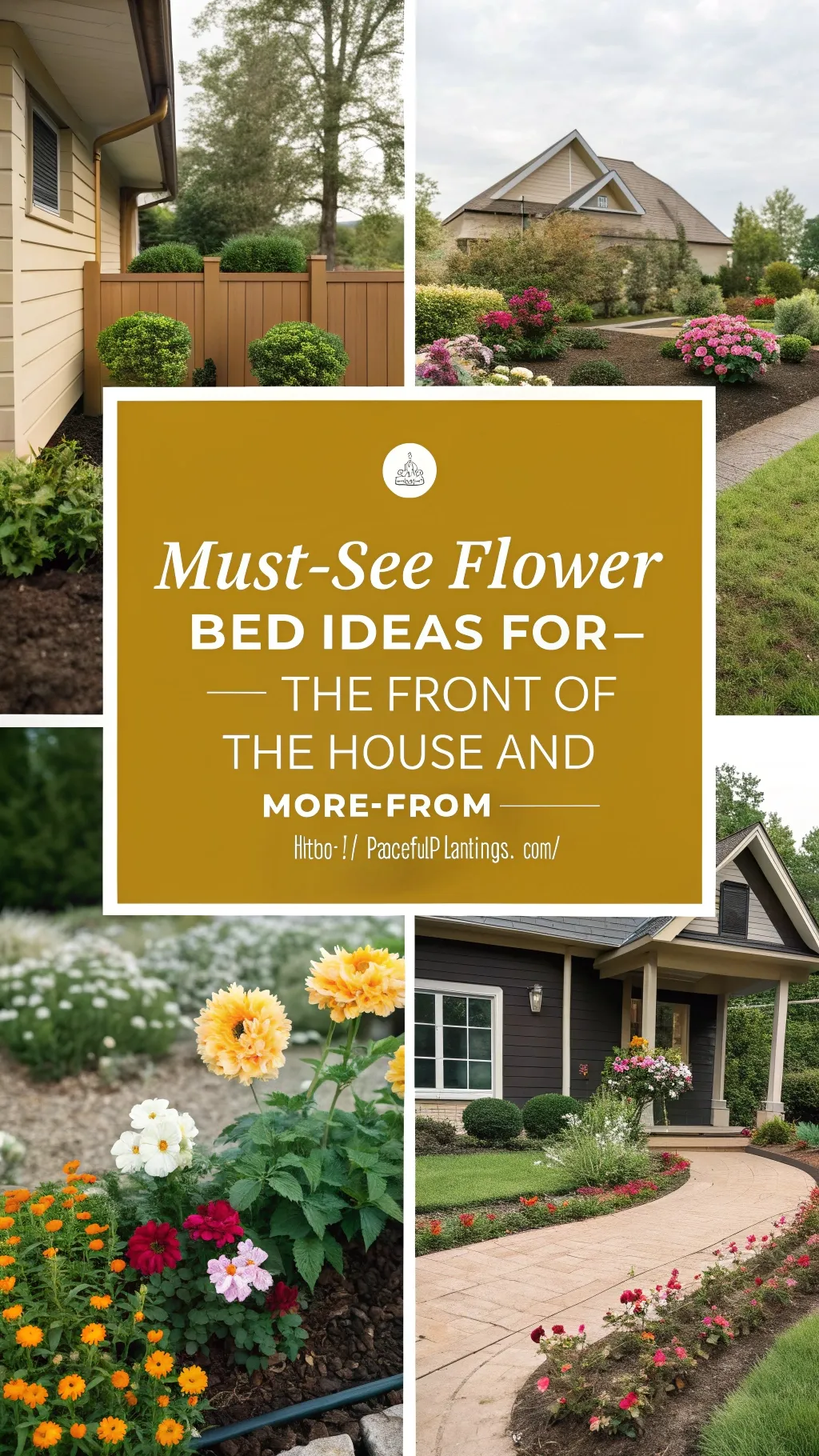
Must-See Flower Bed Ideas For The Front Of The House
Your front yard. Does it feel a little plain? Maybe it is just grass. You want more color there. You want it to feel welcoming. Many people feel this way. It can feel too hard to start. Too much money needed. I understand that feeling well. My own front yard was once very plain. I learned simple, smart ways to change it.
Transforming your front space is truly possible. Simple flower beds make a big difference. They add beauty right away. Great curb appeal happens easily. You can do it yourself. Even on a small budget. This guide helps you. It shows you easy steps. Must-See Flower Bed Ideas for the Front of the House are here. For any home style. Any size yard works. Tiny garden designs are exciting. Think of fun garden makeovers. Experts know a colorful entrance makes a home feel happy.
We cover everything you need. First, planning your space well. Smart budget tricks come next. Ideas for tiny spots are here too. Picking easy-care plants is key. Adding your own style makes it special. Let’s start this journey together.
Planning Your Dream Front Yard Flower Beds: First Steps for DIY Success
Your front yard is like a blank page. You want to make it pretty. Where do you start? I always begin by looking closely at the space.
Know Your Space
Look at your front yard. How much sun does it get? Is it sunny all day? Does it get morning sun only? Or maybe afternoon sun? Some spots are shady. Knowing this is key for plants.
Feel your soil. Is it sandy? Is it hard clay? Does water stand after rain? Or does it drain fast? Good drainage is important. You can test your soil easily. Dig a small hole. Fill it with water. See how fast it drains. This simple test helps a lot. Look at everything there now. Are there trees? Walkways? Steps? Work with what you have.
Find Your Style
Think about your house. What style is it? Your garden should match it. A cottage style feels relaxed. It has many flowers. A modern look is clean. It uses simple shapes. Bohemian gardens are colorful. They feel very free. Look at pictures for ideas. Pinterest is great for this. This helps you pick plants and colors.
Simple Design Basics
Color makes a big impact. Choose colors you love. Think about how they look together. Texture matters too. Mix plants with different leaves. Some are smooth. Some are fuzzy. Plan for different heights. Put tall plants in back. Shorter ones go in front. This creates layers. It looks full and lush. It adds year-round interest. Pick a spot to stand out. This is a focal point. Maybe a cool plant. Or a piece of art.
DIY Planning Tips
Grab a piece of paper. Draw your front yard. Sketch where you want beds. Measure the area you want to plant. This helps you know how much soil you need. It helps with plant numbers. Think about your budget. How much do you want to spend? Write it down. A realistic budget keeps you on track.
Build Your Budget-Friendly Flower Beds: Smart DIY Ideas That Save Money
Building flower beds doesn’t cost a fortune. Many materials are cheap. You can use things you already have. DIY is a great way to save money.
Create Bed Edges
Edges make beds look neat. They hold mulch in. Budget materials work well. Old bricks look charming. Stones are natural and free if you have them. Simple wood planks work too. Plastic edging is cheap. It bends easily. You can install it yourself. Dig a small trench first. Place the edging inside. This is a simple DIY edging technique.
Build Raised Beds Cheaply
Raised beds are good. Water drains better. It’s easier to reach plants. Cinder blocks are low cost. They stack up fast. Affordable lumber works too. Pine is cheaper than cedar. Just be sure it’s safe for gardens. You can find DIY kits. They make building easy. Building a simple wood frame is doable. Cut four boards. Screw them together. Place it where you want. Fill it with soil. That’s a simple raised bed.
Prep Beds Without Digging
Sheet mulching is smart. It saves your back. It’s also called lasagna gardening. Lay down cardboard first. Cover it with layers. Use compost, leaves, grass clippings. This breaks down over time. It makes rich soil. It’s a very sustainable gardening method. It kills grass and weeds underneath. You plant right into it later.
Find Free Resources
Use free stuff when you can. Compost makes soil better. Make your own compost. Collect kitchen scraps and yard waste. Rainwater is free water. Use a rain barrel. This is sustainable gardening. Get free mulch sometimes. Local tree services might give away wood chips. Always ask first. This lowers costs a lot.
| Edging Material | Cost | Durability | Look | DIY Friendly |
|---|---|---|---|---|
| Plastic Edging | Low | Medium | Simple | Very High |
| Repurposed Brick | Low/Med | High | Rustic/Charm | High |
| Simple Wood | Low | Low/Medium | Natural | High |
| Stone | Low/Med | High | Natural | Medium |
Sheet mulching skips digging. Traditional beds need digging. Sheet mulching builds soil over time. Digging changes soil right away. Both work. Sheet mulching is often easier DIY. A study from Oregon State University Extension shows how well sheet mulching works.
Small Space, Big Impact: Clever Flower Bed Ideas for Tiny Front Yards & Vertical Gardening
Tiny front yards need smart ideas. You can do a lot in small garden ideas. Every little bit counts.
Use Containers
Pots are your friends. Arrange pots on steps. Put them on your porch. Line your walkway with them. This is container gardening front porch style. Choose different size pots. Pick colors that pop. Use pots that match your house style. Plant colorful flowers inside. Mix heights in one pot. This makes a mini garden.
Go Vertical
Look up! Walls hold plants too. Use trellises for vines. Mount planters on walls. Try tiered stands. They hold many pots. These are vertical gardens. They save floor space. You can build a simple trellis. Use wood or bamboo. Lean it against the house. Let plants climb it. Vertical gardens add lots of green.
Make Space Feel Bigger
Small spaces can feel tight. Use winding paths. Even short ones help. They make the eye move. Vary plant heights. This adds layers. It creates visual depth. Add a small bench. Or a bird bath. These draw the eye. They make the space interesting. Tiny garden designs feel bigger this way.
Focus on Key Spots
Where do people walk? Where is your front door? These spots matter most. Make the area by the door beautiful. Add pots or small beds there. Plant under windows. These are high-impact areas. Make them shine. This boosts curb appeal fast.
| Vertical System | Pro | Con | DIY Level | Budget Level |
|---|---|---|---|---|
| Trellis | Simple, Vines | Needs climbing plant | High | Low |
| Wall Planters | Uses wall space | Can dry out fast | Medium | Medium |
| Tiered Stand | Holds many pots | Takes some floor space | Medium | Medium/High |
Arranging containers matters. Put taller pots in back. Group pots together. Use different textures. This makes a pleasing look.
Choose Your Bloom Crew: Easy, Beautiful & Eco-Friendly Plants for Front Yard Flower Beds
Picking the right plants is fun. It makes gardening easy. Choose plants that work for you. Focus on low-maintenance flower beds.
Low-Maintenance Stars
Hardy plants are your best friends. Perennials come back every year. They need less work. Think coneflowers, hostas, sedum. Shrubs add structure. They need little care. Choose plants that don’t need much water. They don’t need constant trimming. This makes an easy flower garden. Perennial flower beds are great for busy people.
Match Plants to Conditions
Remember checking sun and soil? Now use that info. Full sun plants need lots of light. Shade plants need less. Pick plants that like your soil. Some like wet feet. Most like good drainage. Choosing right means less work later.
Add Color Year-Round
Plan for color all year. Some plants bloom in spring. Others flower in summer. Some look good in fall. Mix bloom times. This keeps your beds interesting. Use plants with cool leaves. Hostas have big leaves. Heuchera has colorful leaves. Foliage adds texture and color.
Go Sustainable
Think green choices. Use native plants. They support bees and butterflies. Pollinators need them. Native plants often need less water. They handle local weather better. Drought-tolerant options save water. Consider edible front yard landscaping. Plant herbs like thyme. Add flowers like nasturtiums. You can eat them. It’s pretty and useful. Sustainable gardening helps the planet.
Find Affordable Plants
Nurseries have great plants. Look for sales. Plant swaps are fun. Share plants with friends. Growing from seed is cheap. You get many plants this way. Some plants grow from cuttings. Ask friends for a piece of their plant.
| Plant Type | Comes Back? | Effort Level | Cost (usually) |
|---|---|---|---|
| Perennial | Yes | Low | Medium |
| Annual | No | Medium | Low |
Perennials cost more at first. They save money later. You don’t buy them every year. Native plants help local wildlife. The National Audubon Society has great info on native plants for birds and insects.
Beyond Blooms: Adding Bohemian Charm, Whimsical Flair & Personal Touches to Your Front Garden
Your garden is your canvas. Add your personality. Trends can be fun. But make it yours.
Bohemian Garden Vibes
Bohemian style is relaxed. Layer plants close together. Mix textures freely. Add outdoor rugs. Use colorful pots. Old chairs can be planters. It feels informal and cozy. This is a popular 2025 trend. Bohemian gardens feel very personal.
Whimsical Touches
Add garden art. A funny statue works. Wind chimes sound pretty. Stepping stones add magic. Find unique planters. Maybe an old boot? Fairy garden bits add whimsy. This is whimsical landscaping. It makes people smile. You can make your own art. Paint some old pots bright colors. Write a fun garden sign. Repurpose old items.
Add Lighting
Lights make beds glow at night. Solar lights are easy. Just stick them in the ground. String lights look festive. Wrap them on a trellis. Lights make your home look welcoming. They add curb appeal in the dark.
Use Hardscaping
Hardscaping is non-plant stuff. Mulch covers the soil. It keeps weeds down. Gravel paths look clean. Decorative rocks add interest. Stepping stones help you walk through beds. Mulch types differ. Wood chips break down. Gravel stays put. Compare different mulches. Think about cost and look.
| Mulch Type | Cost | Look | Weed Help | Lasts |
|---|---|---|---|---|
| Wood Chips | Low | Natural | Good | Medium |
| Gravel | Medium | Clean | Good | Long |
| Rubber Mulch | High | Colorful | Good | Very Long |
DIY decor is simple. Paint terra cotta pots. Use outdoor paint. Stencils are easy. Make garden markers from rocks.
Case Study: How a Tiny, Overlooked Front Strip Became a “Must-See” DIY Garden
Let me tell you about a project. My neighbor had a sad front strip. It was just grass. It was narrow. The soil was hard clay. Nothing grew well there. She felt stuck.
The Problem
Her front looked boring. It had no color. No welcome feeling. She wanted curb appeal. She had very little space. She also had a small budget. She thought she needed a pro.
The Vision
She wanted a cheerful spot. It needed low-maintenance plants. Color was important. She wanted it to feel inviting. She loved the idea of small garden ideas.
The DIY/Budget Solution
I helped her plan. We decided on a raised bed. We used affordable lumber. It was a simple frame. We did sheet mulching first. We laid cardboard down. Then compost and leaves. This fixed the bad soil. We chose hardy perennials. Coneflowers, sedum, and some hostas. We bought small plants. They were cheaper that way. We added some bright painted pots. These were DIY painted pots.
The Steps
First, we measured the strip. We built the simple wood frame. We put it in place. We added the cardboard layer. Then the compost layers. We waited a few weeks. Then we planted the small plants. We put mulch on top. We arranged the painted pots nearby.
The Outcome
The change was amazing. That narrow strip popped with color. The plants grew well. The raised bed looked neat. The painted pots added fun. It felt so welcoming. People stopped to look. It became a tiny garden design highlight. It really boosted her curb appeal. She spent very little money. It was a garden makeover she did herself.
Budget Breakdown
Hiring a pro cost thousands. Our DIY cost under $200. Lumber was about $50. Compost was free from her bin. Plants cost around $100. Paint and pots were about $30. It was a huge saving.
Lessons Learned
Even bad soil can be fixed. Sheet mulching works wonders. Small plants grow fast. DIY saves serious money. A little space makes a big impact. You don’t need a big yard for Must-See Flower Bed Ideas for the Front of the House.
Your Front Yard Flower Bed Questions Answered
People ask me many things. Here are some common questions.
How do I start a flower bed in my front yard?
Start by looking at your space. Check the sun. Test your soil. Draw your plan. Decide on edges or a raised bed. Prepare the soil well. Then pick easy plants.