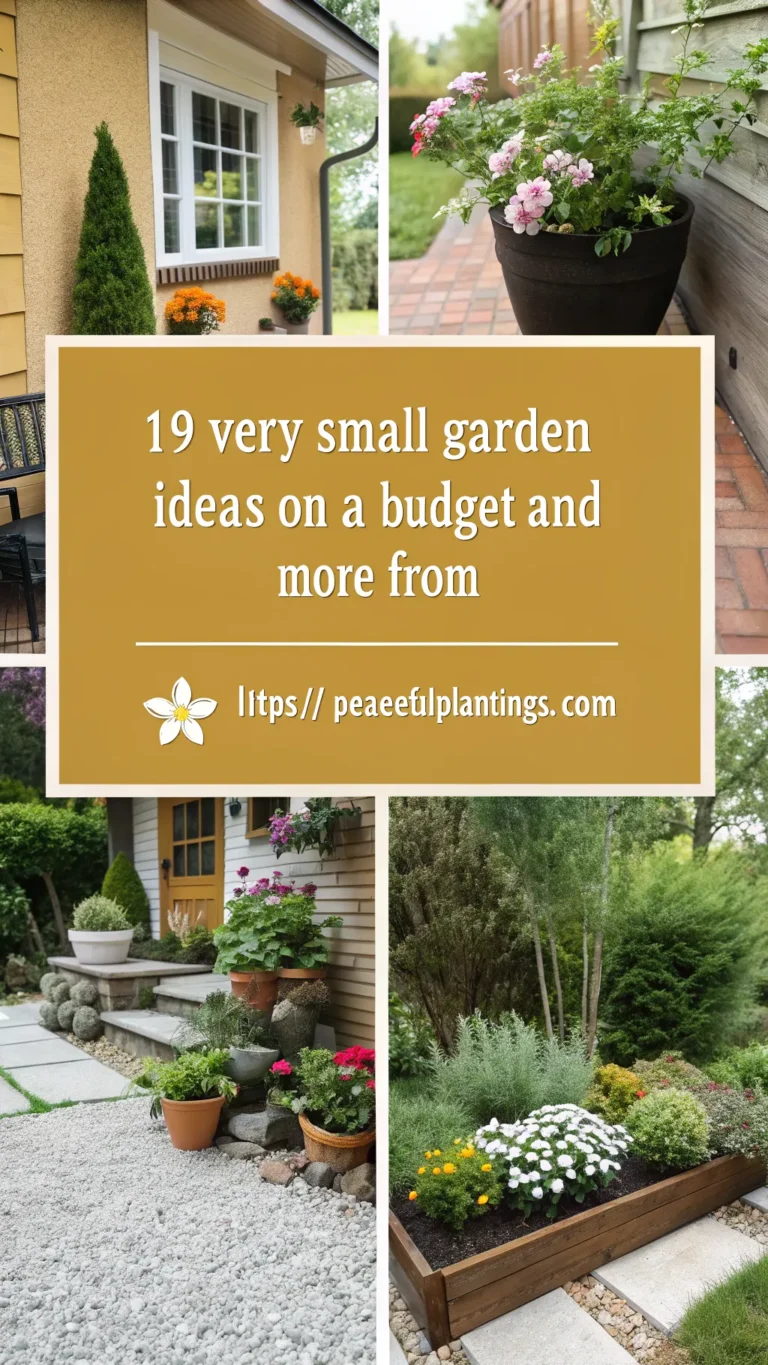
Article 19+ Inspiring Ideas To Design A Small Flower Garden
Dreaming of a vibrant flower garden? You might think you need lots of space. Maybe you have a tiny balcony. Perhaps it is a narrow side yard. A compact patio could be your spot. Limited space feels like a big challenge.
But I know a secret. Small spaces are perfect canvases. They invite creativity. Tiny gardens are charming. They are often easier to care for. You can create stunning beauty.
This article shares my best advice. I have designed small gardens for years. I love budget-friendly projects. Here are over 19 inspiring ideas. You can design a small flower garden. Limited space does not limit beauty.
We will explore clever layouts. Learn space-saving techniques. I share simple DIY projects. Discover smart plant choices too. Find tips for garden makeovers. We look at the latest trends. Get ready for beautiful tiny garden designs. Your small space can bloom.
Maximizing Every Inch: Clever Layouts & Space-Saving Structures
Small spaces hold big potential. I learned this years ago. My first tiny garden was a challenge. It felt cramped and hard. But I found ways to use the space better. You can too.
Vertical Gardening
Go up! Vertical space is often forgotten. I love using walls.
Idea 1: Pallet Gardens
Old pallets make great planters. I found one for free. Clean it well first. Attach fabric or pots. Plant flowers right in it. It stands tall. It uses vertical space. This is a great DIY project. It saves money too.
Idea 2: Wall Planters & Living Walls
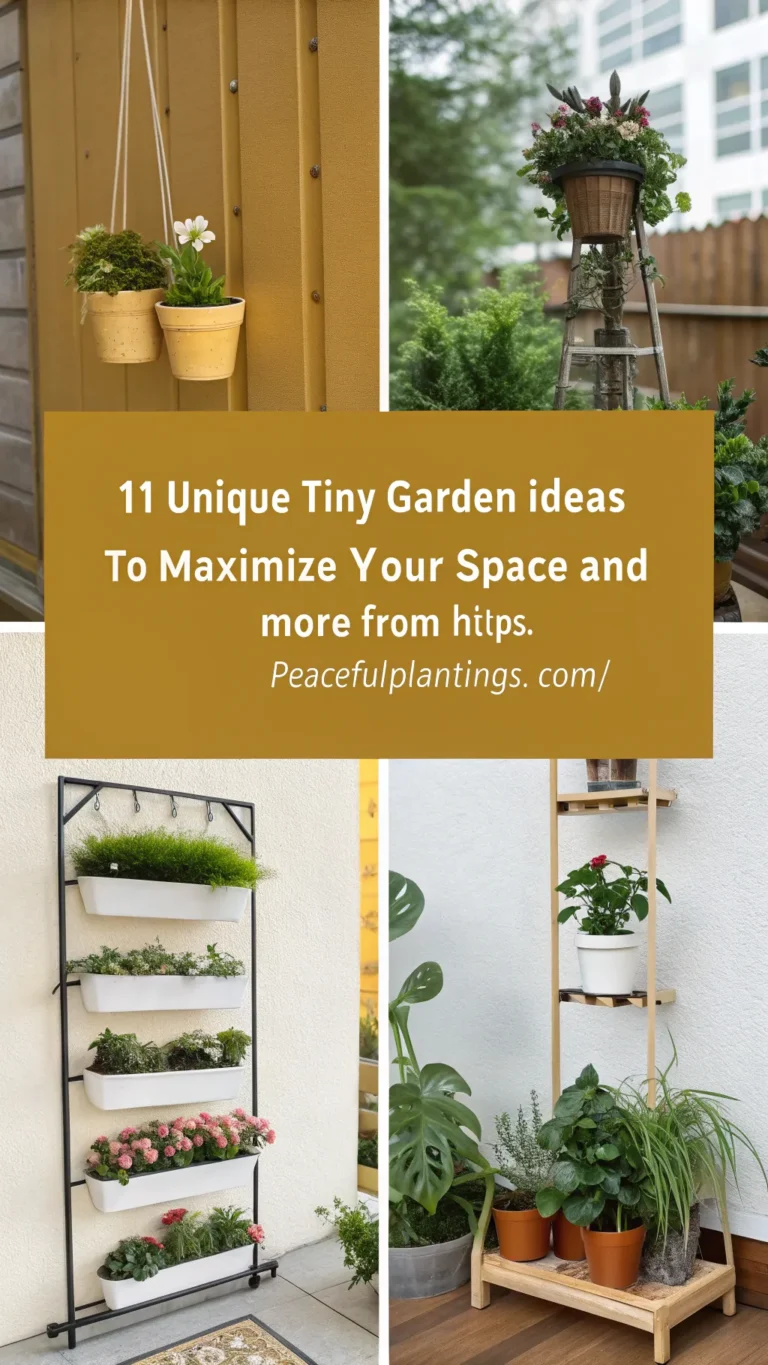
Mount planters on walls. Use a bare fence. Special kits create living walls. These look like art. They bring green up high. Choose plants that don’t need deep roots. Succulents work well. Small annuals look nice.
Idea 3: Trellises and Arbors
Climbing plants add height. I use trellises a lot. They support vines. Morning glories climb fast. Clematis adds lovely blooms. An arbor creates an entry point. It adds structure vertically. This draws your eye up. It makes the garden feel taller.
Idea 4: Stacked Planters
Tiered stands are simple. Pots stack on each other. They use a small footprint. You get multiple planting levels. Strawberries grow well this way. Different herbs look nice too. Flowers spill over the sides. It adds lots of color.
Container Gardening
Pots are your friends. They offer flexibility.
Idea 5: Groupings of Pots
Group pots together. Use different sizes. Mix textures and colors. This creates visual interest. It makes a statement. A cluster of pots looks fuller. It feels like a designed space. I rearrange mine often.
Idea 6: Window Boxes & Railing Planters
Use available edges. Window boxes add curb appeal. Railing planters soften hard lines. They bring flowers closer. You see blooms from inside. They are perfect for tiny garden designs. They don’t use floor space.
Idea 7: Lightweight Containers
Think about moving things. Lightweight pots are easy. Fiberglass or resin pots work. Move plants for sun. Change the layout easily. This is helpful in small spaces. It lets you experiment.
Layouts
How you arrange things matters.
Idea 8: Diagonal Lines
Avoid straight paths. Diagonal lines trick the eye. They make space seem longer. I use a path or border. Lay it at an angle. Your garden feels deeper. It adds visual flow.
Idea 9: Zoning the Space
Divide your small space. Create different ‘rooms’. Use pots or low borders. Maybe one area for seating. Another for flowers. It feels less like one block. Each zone has a purpose.
Idea 10: Multi-Functional Elements
Choose smart garden pieces. A bench with a planter saves space. Outdoor storage can be seating. A low wall holds pots. It also offers extra seats. Get more use from each item. This is key in small garden ideas.
Choosing vertical structures is easy. Pallets are free or cheap. Wall planters cost more. Trellises are simple DIY. Stacked planters are ready-made. Containers come in many materials. Terra cotta looks classic. Plastic is lightweight. Metal adds a modern feel. Compare costs and style. Consider how much sun each spot gets. Pick plants that love that light. Successful container planting needs good soil. Use potting mix for pots. Water needs are higher in containers. Check them often. Planning zones helps define areas. It makes your small space feel bigger.
DIY Magic: Budget-Friendly Projects for Charm
You don’t need lots of money. I love a good DIY project. It adds personality. It saves cash. Garden makeovers can be cheap. Backyard landscaping can be too.
Idea 11: Upcycled Planters
Look around your home. Old things make cool pots. I turned boots into planters. Teacups hold tiny succulents. An old tire holds petunias. Drill drainage holes first. Paint them bright colors. These are unique. They are budget-friendly gardens. They are very Pinterest-friendly.
Idea 12: Simple Raised Beds
Build a raised bed. Use reclaimed wood. Old fence boards work. Find free wood online. Build a simple frame. Fill it with soil. Raised beds improve drainage. They make gardening easier. It’s a simple DIY garden project. You control the soil.
Idea 13: Pebble Mosaic Pathway
Create a small path. Use smooth river pebbles. Arrange them in cement. Or just lay them in sand. A simple pattern looks nice. It adds texture underfoot. It defines an area. It costs less than pavers.
Idea 14: DIY Garden Lighting
Add magic at night. Fairy lights are cheap. String them through plants. Hang them on a fence. Put solar lights in jars. They glow softly. It creates atmosphere. This is simple to do. It transforms the space after dark.
Idea 15: Homemade Plant Markers
Use old spoons. Flatten them out. Stamp plant names on them. Use rocks and paint. Write plant names clearly. This adds a sweet touch. It’s a fun, quick project. Kids can help too.
Idea 16: Small Water Feature
Water adds sound and life. A simple bird bath is easy. Place a large pot saucer on bricks. Fill it with water. Birds will visit. Small pond kits are available. They fit in a pot. The sound of water is calming.
Building a raised bed saves money. Buying one is faster. Reclaimed wood is cheap or free. New lumber costs more. Upcycling materials is fun. Old tires are free. Boots are free if you have them. Teacups are maybe a dollar at a thrift store. Compare the cost and effort. A simple raised bed might take an hour. A pebble mosaic takes more time. Essential DIY tools help. A drill is useful. A saw for wood. Gloves are always good. You can find many free materials. Check online groups. Ask friends for scraps.
Planting Smart: Choosing Flowers & Foliage for Small Spaces
Picking the right plants is key. Small spaces need smart choices. I think about size first. Then color and texture. Low maintenance small garden plants are best.
Idea 17: Compact Varieties
Look for dwarf plants. They stay smaller. Dwarf shrubs work well. Compact perennials fit tiny spots. Read plant labels carefully. They list the final size. This prevents overcrowding.
Idea 18: Long Blooming Plants
Get more color longer. Choose plants that bloom for months. Or plants that rebloom. Petunias flower all summer. Coneflowers bloom a long time. Select a few reliable stars. They provide continuous cheer.
Idea 19: Incorporate Foliage
Leaves add structure. Don’t just plant flowers. Hostas have big leaves. Ferns add texture. Heuchera has colorful leaves. Foliage lasts all season. It gives the garden shape. It provides interest when flowers fade.
Idea 20: Fragrant Plants
Use your sense of smell. Scent makes a garden special. Plant fragrant flowers near seating. Herbs like lavender smell nice. Scented geraniums are lovely. Jasmine climbs up trellises. The smell fills the air.
Idea 21: Edible Flowers or Herbs
Get double duty from plants. Edible flowers add beauty. Nasturtiums are colorful. Borage has blue stars. Herbs like basil look nice. They are useful in the kitchen. They fit well in tiny garden designs.
Idea 22: Low-Maintenance Options
Choose hardy plants. They need less fuss. Succulents need little water. Many native plants are tough. Ask at your local nursery. They know what grows well. This makes gardening easier. It saves you time.
Idea 23: Native Plants
Natives support local wildlife. They are adapted to your climate. This often means less watering. Less need for pesticides. They are good for the environment. Many native plants are compact.
Assess your sunlight first. Does the spot get sun all day? Is it mostly shade? Plant labels tell you light needs. Group plants needing sun together. Put shade lovers elsewhere. Annuals give instant color. They die after one year. Perennials come back yearly. They build structure over time. Sun-loving plants like marigolds. Shade-tolerant plants like impatiens. Choose plants that fit your space. Pick ones you love.
Styling Your Sanctuary: Trends & Personal Touches
Make your small garden yours. Add things you love. It’s your personal oasis. Garden makeovers include decor. Backyard landscaping gets a boost.
Idea 24: Bohemian or Whimsical Decor
Express your style. Add colorful cushions. Hang wind chimes. Place small statues. Use bright pots. Bohemian gardens are relaxed. Whimsical landscaping is fun. These touches show personality. They make the space inviting.
Idea 25: Use Mirrors
Mirrors create illusions. Hang an outdoor mirror. Place it on a fence. It reflects plants. It makes the space look bigger. It adds light too. Use outdoor-safe mirrors.
Idea 26: Comfortable Seating
Even a small spot needs seating. Add a bistro set. A single comfortable chair works. A small bench is nice. It gives you a place to sit. Enjoy your flowers. It makes the garden functional.
Idea 27: Mulch or Gravel Pathways
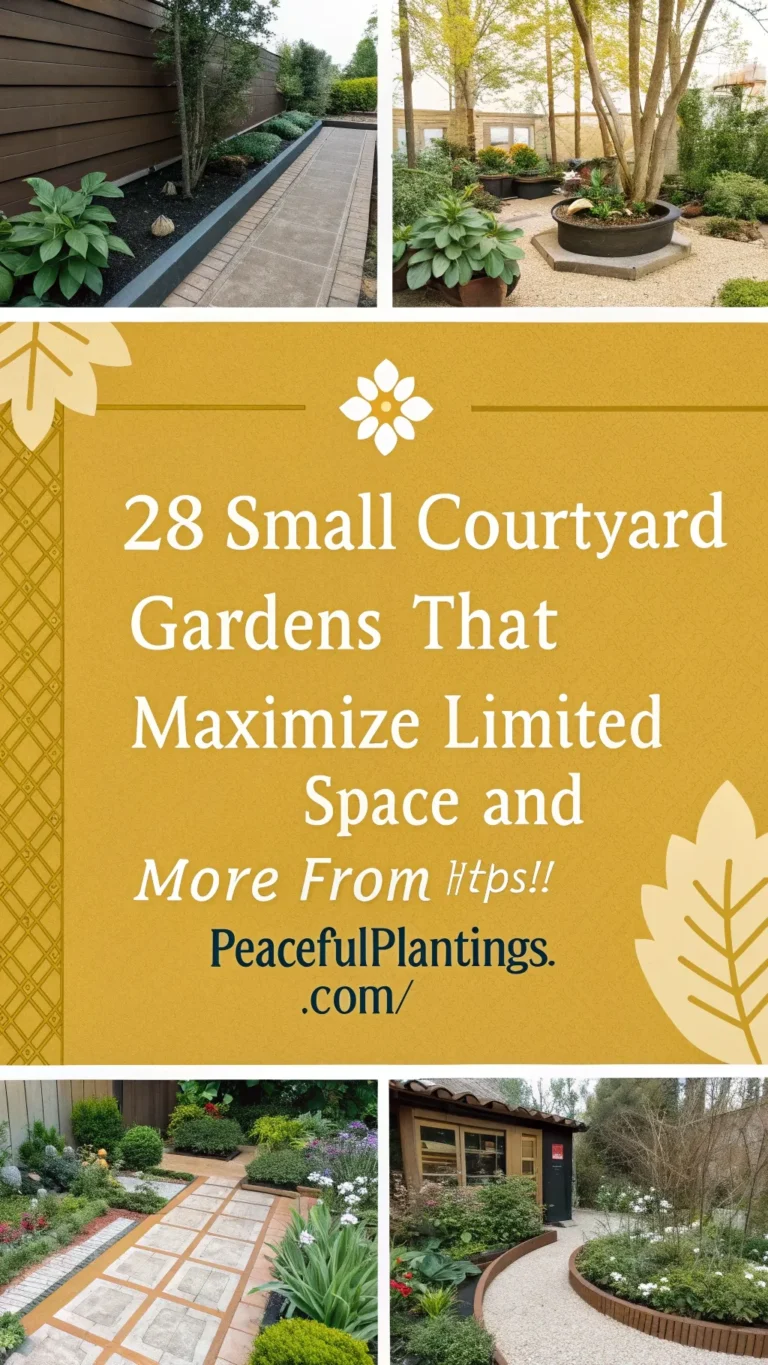
Define areas clearly. Mulch pathways look natural. Gravel pathways add texture. They separate beds from seating. They suppress weeds. They add visual appeal. Different types offer different looks.